CBAM hits the definitive phase: what the Turkish ferroalloy buyer is recalculating in 2026
The EU Carbon Border Adjustment Mechanism entered its definitive phase on 1 January 2026. EU ETS ~€75/tCO₂e, embedded-emissions declarations, and the impact on the Turkish EAF exporter's ferroalloy sourcing decision.
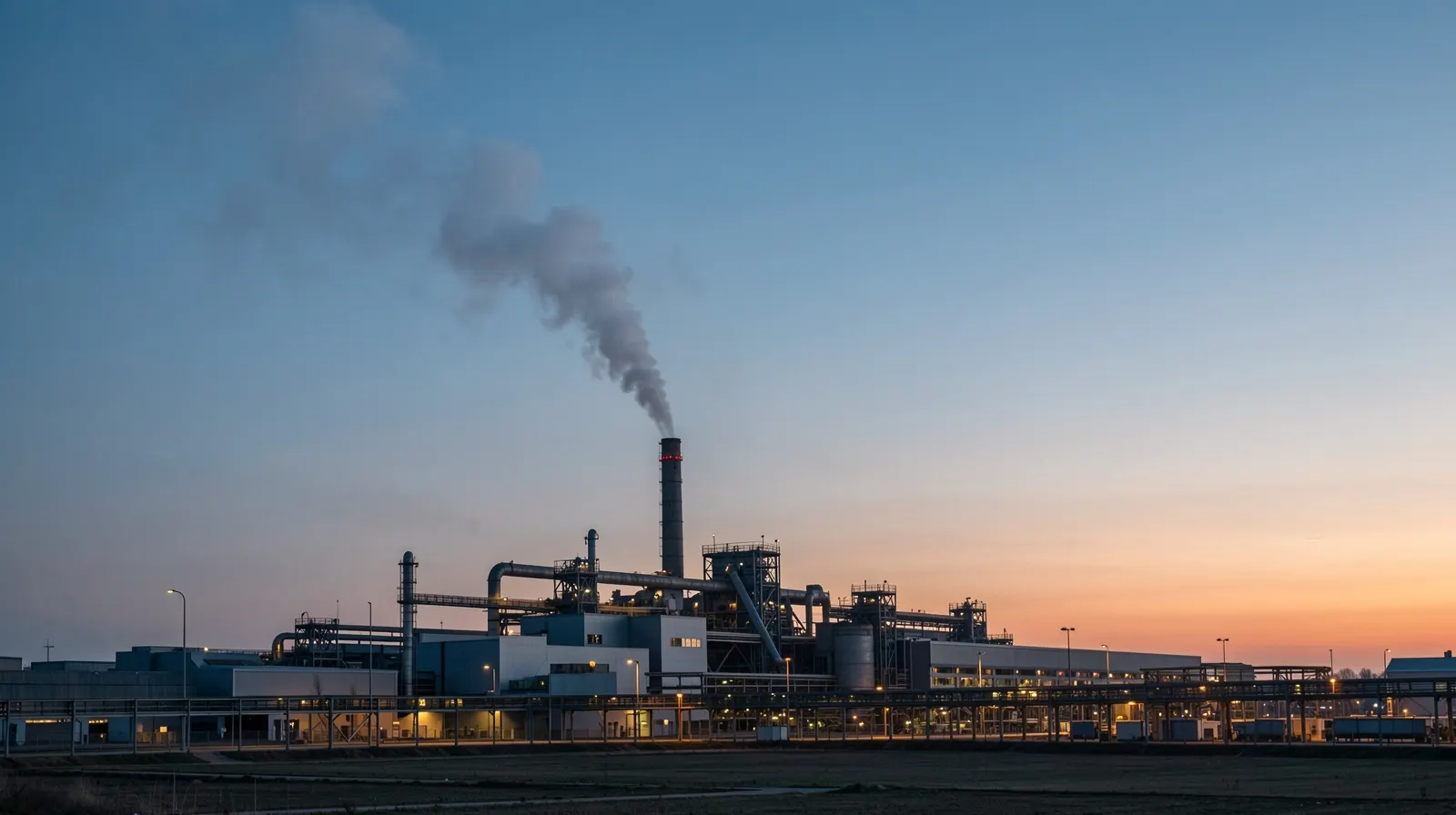
January 1, 2026 was not just a calendar page. That day the EU Carbon Border Adjustment Mechanism (CBAM) moved from its transitional phase into the definitive one, meaning reporting is no longer the whole story. There is a cost now. For a Turkish producer selling steel into the EU, the question shifted: "How much CO₂ is embedded?" now touches the price tag.
In short: CBAM's definitive phase has started, with the reference carbon price sitting around €75/tCO₂e in the EU ETS band. Steel exporters must declare embedded emissions. Low-carbon ferroalloy input is now a measurable per-ton advantage for any EAF shipping to the EU. The sourcing decision is being rewritten through a carbon lens.
The mechanism, briefly: who it hits
CBAM covers six sectors: cement, iron and steel, aluminium, fertilisers, electricity, hydrogen. On the ferroalloy side the line is drawn at CN-code level, and it is sharper than most buyers assume. Annex I of Regulation (EU) 2023/956 brings chapter 72 into scope with an exception list: FeSi (7202 2x), FeSiMn (7202 30), FeSiCr, FeMo, FeW, FeTi, FeV, FeNb, FeP, FeSiMg and "other" ferroalloys (7202 99 80) are out. Three families remain as direct CBAM goods: ferro-manganese (7202 11/19), ferro-chromium (7202 41/49) and ferro-nickel (7202 60). An importer bringing HC FeMn or HC FeCr into the EU declares the ferroalloy itself; one bringing FeSi or FeMo does not.
The second layer is indirect. FeMn, FeCr and FeNi also count as relevant precursors of steel. When an EAF alloys with HC FeMn or HC FeCr and ships the slab to the EU, the embedded emissions of those alloys are added to the steel's CBAM declaration. The carbon footprint of the ferroalloy reaches the customer's border bill by two routes.
The numbers: the EU ETS carbon price hovered around €75/tCO₂e through Q1 2026 (source: EU Commission CBAM portal and ETS spot). In the definitive phase the CBAM certificate tracks this reference, with free allowances phasing out from 2026. The simplification regulation (EU) 2025/2083, in force since October 2025, adjusted the calendar twice over: importers bringing in less than 50 tonnes of CBAM goods a year are exempt, and the declaration and certificate surrender for 2026 imports fall due by 30 September 2027. The figure can look small; it is not. If a ton of steel carries 1.8-2.4 tCO₂e of embedded emissions, then at €75/ton of carbon the added cost lands in a €130-180/ton window. At the scale of a large integrated or EAF producer, across thousands of tons a month, that is a six-figure line.
What the Turkish exporter recalculates
Three things on the table. First, declaration: embedded-emissions data is now requested from the supplier, and "I don't know" defaults to a high value, so a missing document inflates the bill. Second, cost: the EAF selling to the EU now adds the gap between carbon-heavy and carbon-light input to the spot price. Third, source selection: the supplier comparison is no longer only about price, but also about embedded carbon intensity. A grade fed from a low-carbon production line carries a measurable advantage on the EU side.
A distinction matters here. The cheap ton is no longer always cheap for a producer selling into the EU. The carbon cost added at the border can swallow the €20-30 FOB gap. On the EU buyer side, demand for low-carbon input is a rising curve, because those buyers carry their own Scope 3.
The sourcing decision through a carbon lens
Arsam's position on the HC FeCr line is built on exactly this: priority on low-carbon, embedded-emissions-documentable grades, the sourcing choice that keeps a buyer's carbon declaration clean when selling into the EU. A multi-regional source network is not a luxury here, it is a continuity guarantee. If one corridor narrows under a carbon threshold or logistics, an alternative grade has to stay active. A Carbon Passport pilot (DNV-verified) is on the plan for Q4 2026, the route to adding an embedded-emissions document to the standard package.
Expert call, with a date lock: the CBAM free-allowance withdrawal advances gradually through 2026, but the real certificate-cost pressure sharpens in 2027. A Turkish EAF that sells regularly into the EU should lock its low-carbon ferroalloy supplier in Q3 2026, because the qualified-supplier process (lab cert plus embedded-emissions verification) runs 6-9 months. The clock to make the 2027 window is already ticking.
Field note (anonymized): a Marmara-region buyer shipping stainless slab to the EU moved its HC FeCr supplier to a carbon-documented grade in Q2 2026. On a lot where the only variable was supplier document discipline, the customer's default-value penalty in the CBAM declaration disappeared. The spec stayed the same; the only thing that changed was that the document was acceptable at the border.
Frequently Asked Questions
Is ferroalloy directly subject to CBAM? Partly. Under Annex I of Regulation (EU) 2023/956, ferro-manganese (7202 11/19), ferro-chromium (7202 41/49) and ferro-nickel (7202 60) are direct CBAM goods. FeSi, FeSiMn, FeMo, FeV, FeTi, FeNb, FeW, FeP and FeSiMg sit on the exception list. Because FeMn and FeCr also count as steel precursors, their embedded emissions enter the declaration of steel shipped to the EU as well. Importers below 50 tonnes a year are exempt under 2025/2083.
What is the CBAM carbon price level in 2026? The reference EU ETS band was around €75/tCO₂e in Q1 2026. The CBAM certificate tracks this spot; multiplied by 1.8-2.4 tCO₂e of embedded emissions per ton of steel, the added cost can reach a €130-180/ton window.
What does low-carbon ferroalloy input give an EAF selling to the EU? It lowers the carbon cost added at the border and provides the embedded-emissions document needed to avoid the high default-value penalty. A grade with COA, MTC and embedded-emissions verification means acceptable data in the EU declaration.
When should I lock a low-carbon supplier? Q3 2026 is a sensible target. Because the qualified-supplier process runs 6-9 months with lab cert and embedded-emissions verification, an EAF that wants to be ready for the sharper 2027 certificate cost needs to set the timeline now.
Update (2026-09-24): the first version said "ferroalloy is not a direct CBAM line item". That holds for FeSi, FeSiMn and FeMo, but not for FeMn, FeCr and FeNi. Scope corrected against the CN exception list in Annex I; the 50-tonne threshold and the 2027 surrender date were added.
For a deeper sourcing comparison, write to our desk; we will map the embedded-emissions document and grade selection to your EU declaration discipline.
Rabia
Trade Strategist
Facing a similar problem?
Arsam's technical desk handles every supply and production question. 48-hour quote, technical consulting included.