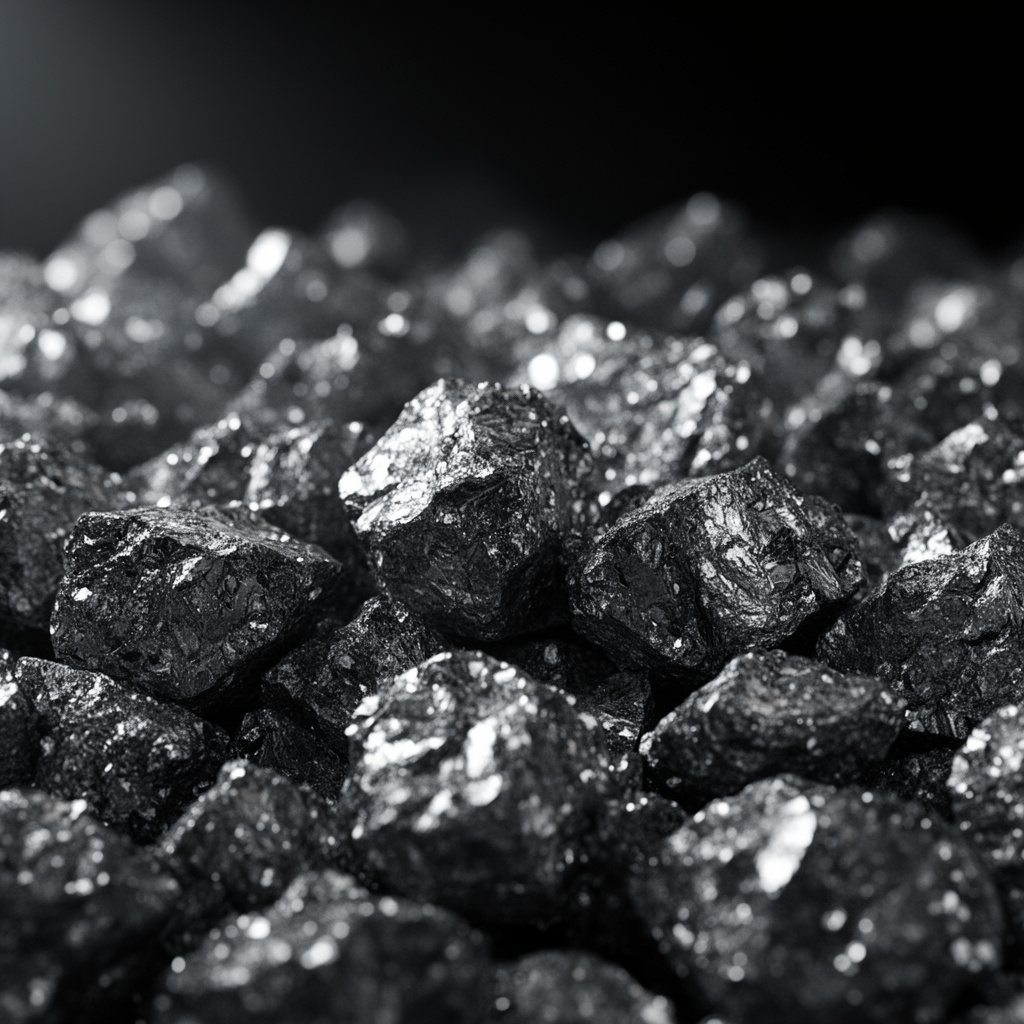
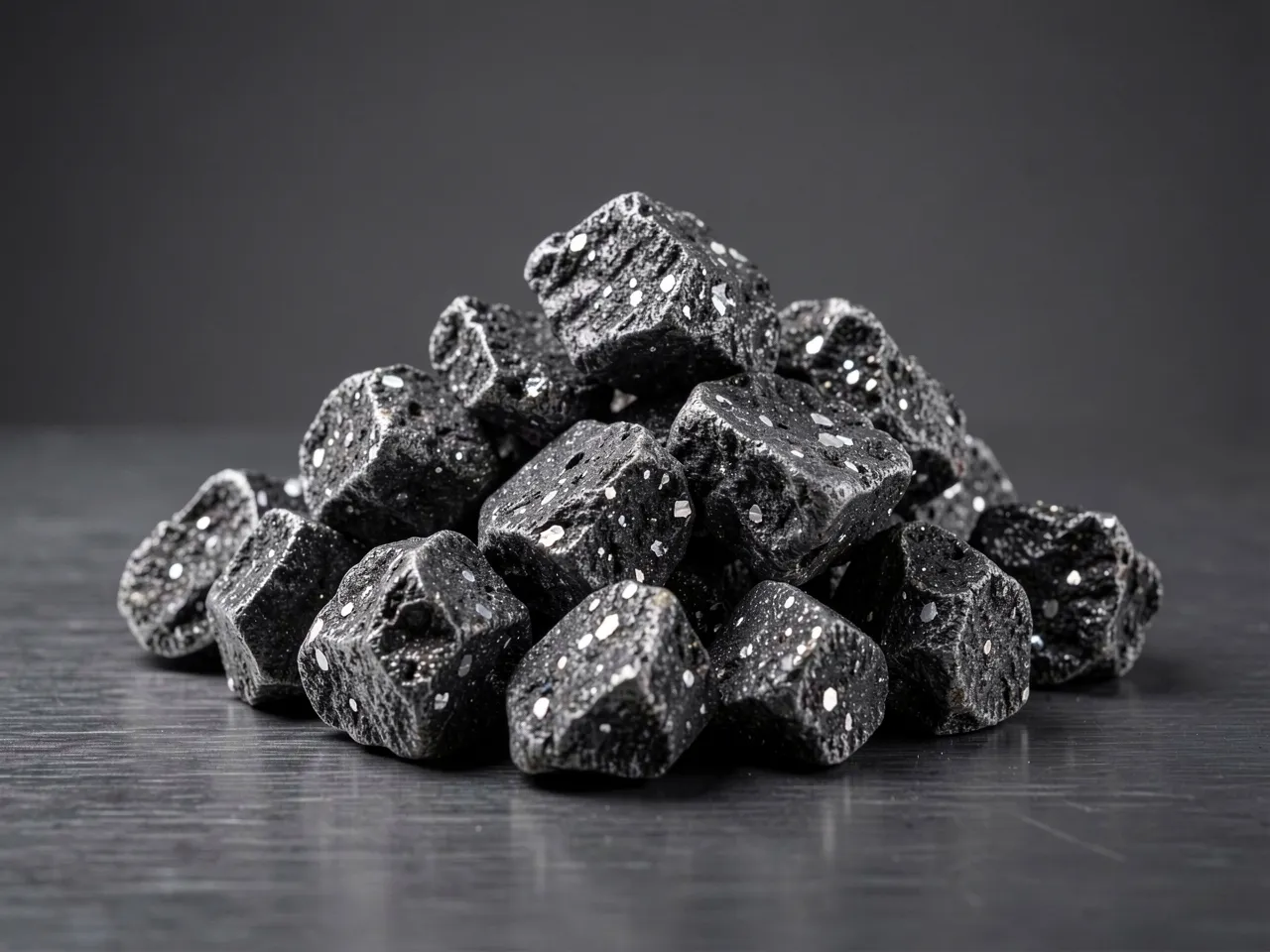
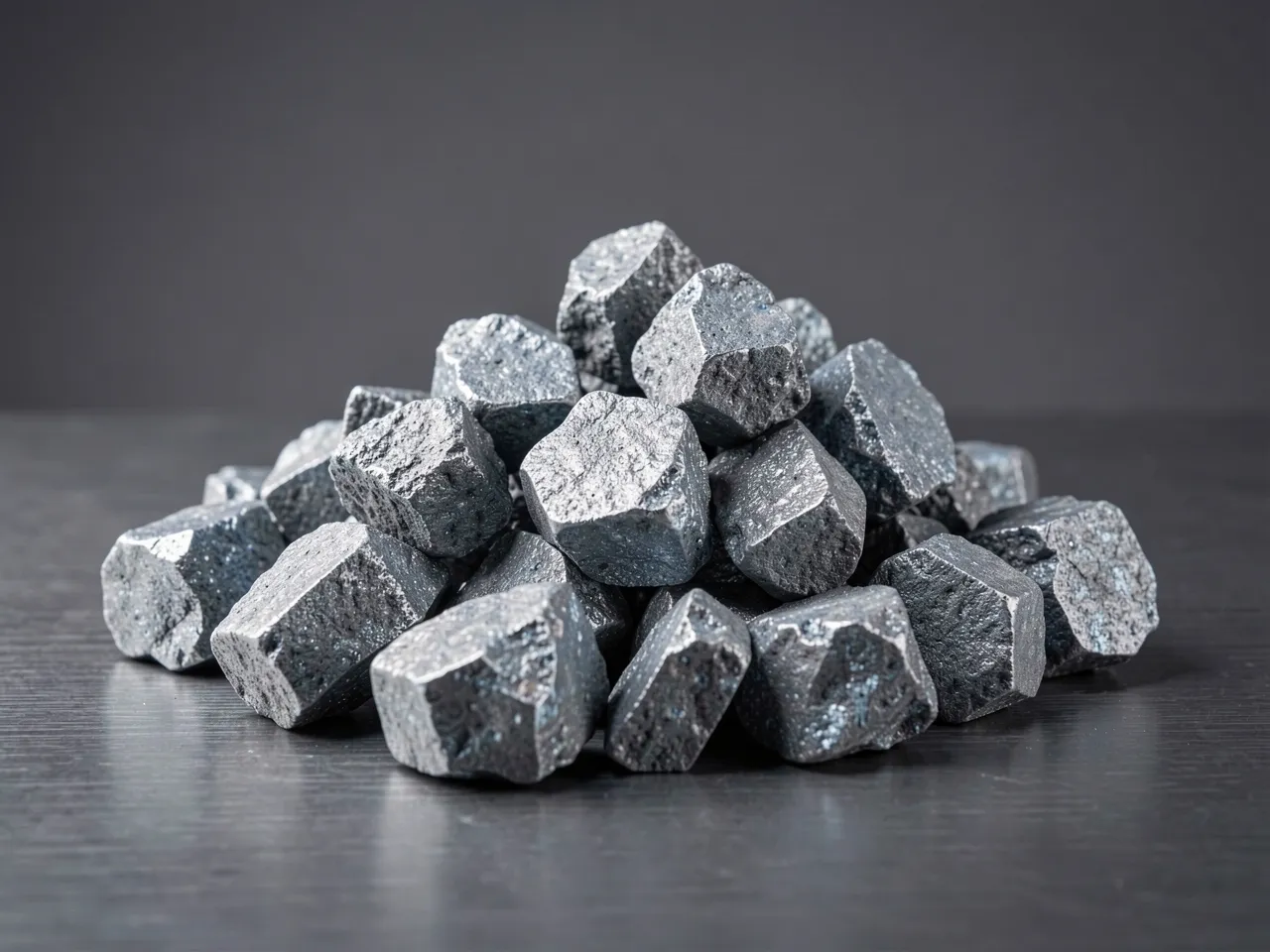
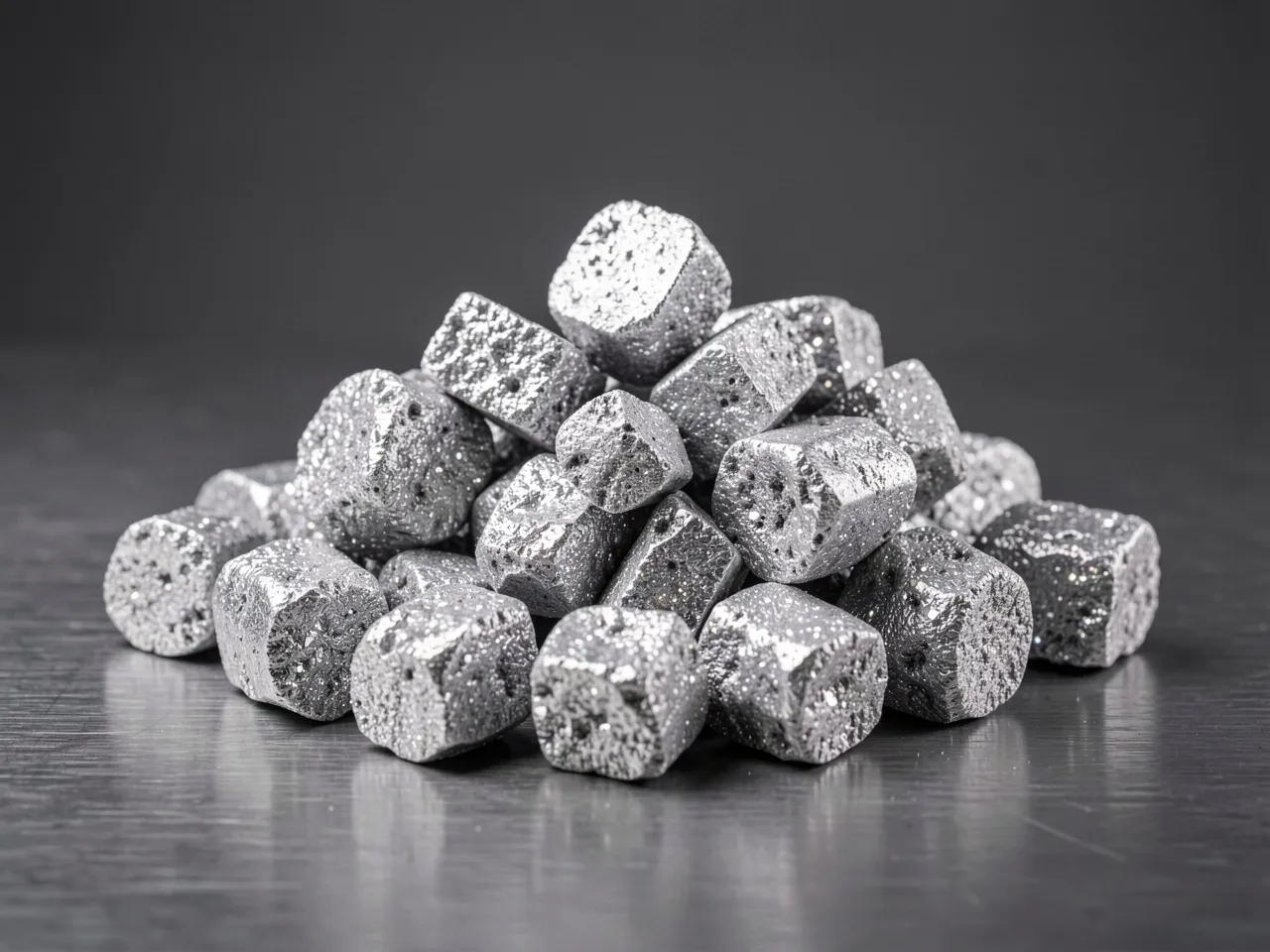
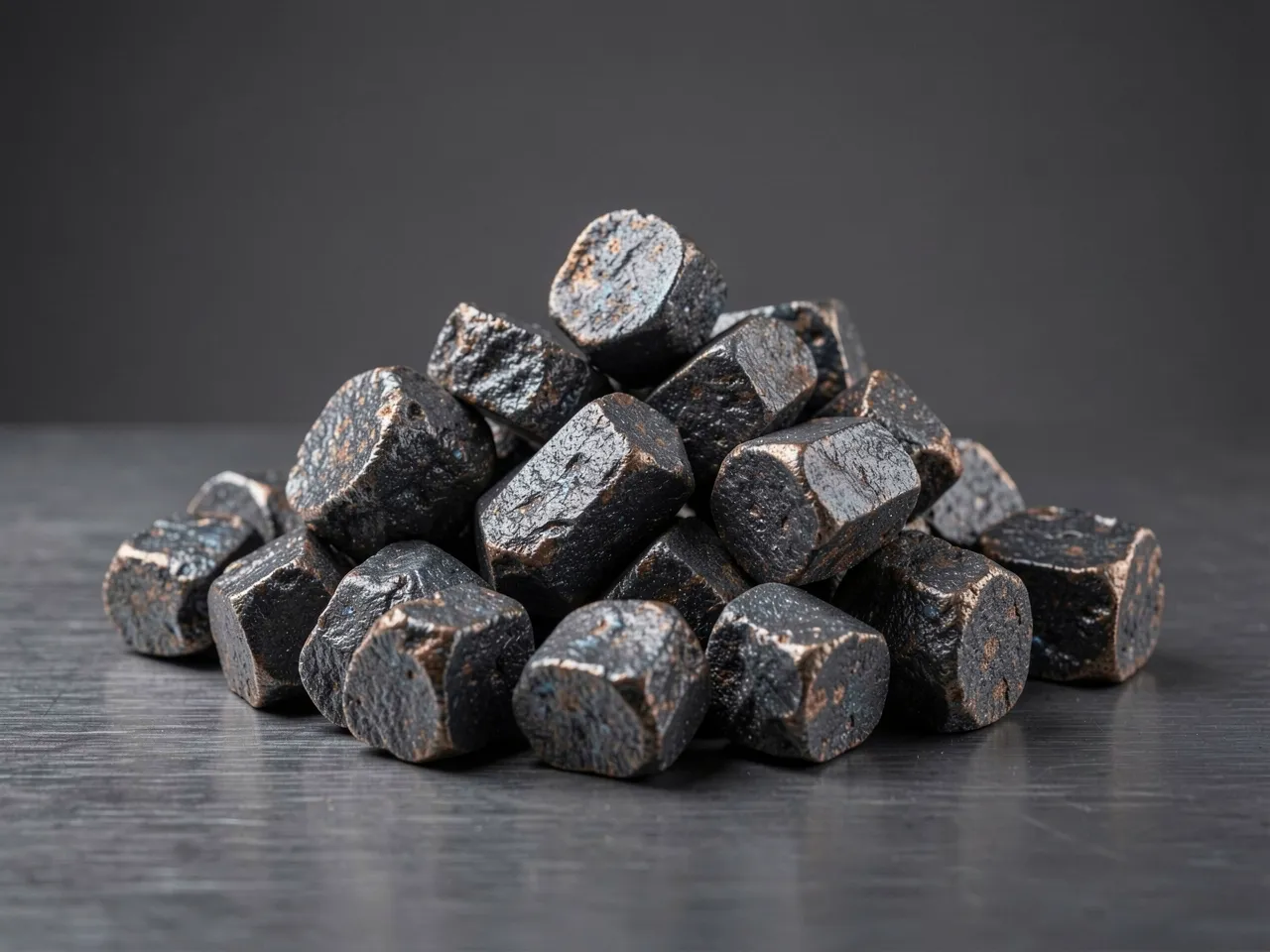
Cleaned EN description for ferro-boron-feb. Specs verified against data.ts (B 17-20%, C ≤0.5%, Si ≤2.0%, Al ≤0.5%, S ≤0.01%, P ≤0.10%, 10-50mm) — exact match, no spec error. No origin leak, no customer name, no fabricated price/cert#/founding-year/customer-count, no banned anti-AI clichés. Only fix applied: the redundant/salesy closing "for a current RFQ quote" (RFQ already = request for quote) was tightened to "Send grade, addition rate and required quantity for an RFQ." Length ~165 words, within 150-200.
Technische Spezifikationen
B
17-20%
C
≤ 0.5%
Si
≤ 2.0%
Al
≤ 0.5%
S
≤ 0.01%
P
≤ 0.10%
Körnung
10-50mm
Anwendungen
Boron steel (hardenability)
Amorphous / soft-magnetic alloys
NdFeB magnet production
Special alloy steel
Häufig gestellte Fragen
Welchen FeB-Grade und welchen B-Gehalt sollte ich für bor-behandelten Stahl angeben?
Unser Standard ist FeB18 mit B bei 17-20%, C ≤ 0.5%, Si ≤ 2.0%, Al ≤ 0.5%, S ≤ 0.01% und P ≤ 0.10%. Für die Härtbarkeit von kohlenstoffarmem Borstahl kommt es auf niedriges C, niedriges S und niedriges Al an, denn freier N bindet Bor als BN ab und schwächt seine Wirkung; Al und Ti wirken als Nitridbildner, die N abfangen und Bor in Lösung halten. Wenn der Stahl vollständig Ti/Al-beruhigt ist und N kontrolliert wird, liefert FeB18 nach dieser Spezifikation das benötigte lösliche Bor. Nennen Sie Ihr Rest-N und das angestrebte lösliche-B-Band, und wir stimmen den Grade ab.
Wie hoch ist eine typische Dosierung, und wie gebe ich FeB in die Schmelze?
Bor ist bereits bei sehr kleinen Zugaben wirksam. In der Härtbarkeitspraxis liegt das angestrebte lösliche B bei etwa 0.0008-0.0035 wt% im Fertigstahl; die FeB-Zugabe wird aus Ihrem B-17-20%-Gehalt, dem Pfannengewicht und einer angenommenen Ausbeute (oft 50-70%, desoxidationsabhängig) zurückgerechnet. Geben Sie spät zu, nach vollständiger Desoxidation und Ti-Behandlung, damit Ti und Al zuerst O und N abfangen und freies Bor erhalten bleibt. Verwenden Sie 10-50mm Stückgut für die Pfannen- oder Ofenzugabe. Bestätigen Sie die Ausbeute an Ihren eigenen Schmelzen und passen Sie an.
Wie wird FeB verpackt, und wie sind Mindestbestellmenge und Lieferzeit?
Standardverpackung ist 10-50mm Stückgut in verschlossenen Stahlfässern oder Big-Bags auf Paletten, geeignet für FCL und Abrufe aus dem Zolllagerbestand. Wir bewegen volle 20 MT FCL und konsolidierte 5 MT LCL-Lose, wobei kleinere Mengen aus dem Gebze-Zolllagerbestand für Probeschmelzen verfügbar sind. Die Lieferung erfolgt typischerweise CIF Marmara oder ab Zolllager. Die Lieferzeit hängt von Losgröße, Grade und Incoterm ab; senden Sie Tonnage, Bestimmungshafen und benötigten Grade, und wir bestätigen den Zeitplan gegenüber der aktuellen Beschaffung aus mehreren Regionen.
Welche Qualitätsdokumentation und Prüfung liegen dem Material bei?
Jede Charge wird mit einem COA/MTC versandt, der B, C, Si, Al, S, P und Körnung gegenüber der FeB18-Spezifikation ausweist. Die Chemie wird per ICP-OES oder Nassanalyse bestimmt; die Körnung wird per Siebung bestätigt. Eine Drittprüfung (SGS, Bureau Veritas oder gleichwertig) und eine Probenahme vor Versand können auf Anfrage arrangiert werden, und wir halten Rückstellmuster für die Rückverfolgbarkeit vor. Geben Sie engere Elementgrenzen, ein Beprobungsprotokoll (ISO-5446-Typ) oder eine Anforderung an eine überwachte Prüfung bei Bestellung an, und wir dokumentieren entsprechend.
Wann sollte ich FeB gegenüber einer anderen Borquelle oder einem anderen Legierungsweg verwenden?
FeB18 eignet sich für die Stahlerzeugung, bei der Sie Bor über eine Stückferrolegierung zugeben: Härtbarkeit von Borstahl, Speziallegierungsstähle und als B-Träger in Einsatzstoff für amorphe/weichmagnetische und NdFeB-Magnete. Wo Sie Bor plus einen starken Desoxidations-/Nitridbildner in einer Zugabe benötigen, kann eine borhaltige Komplexlegierung in Betracht gezogen werden, sie verschiebt jedoch Ihre Si/Al-Bilanz. Für eine Kontrolle extrem niedriger Restgehalte kann ein feinerer oder enger spezifizierter Grade besser passen. Nennen Sie uns das lösliche-B-Ziel und die Wirtschemie, und wir beraten zur richtigen Route.