Siliziumkarbid
SiC

Siliziumkarbid

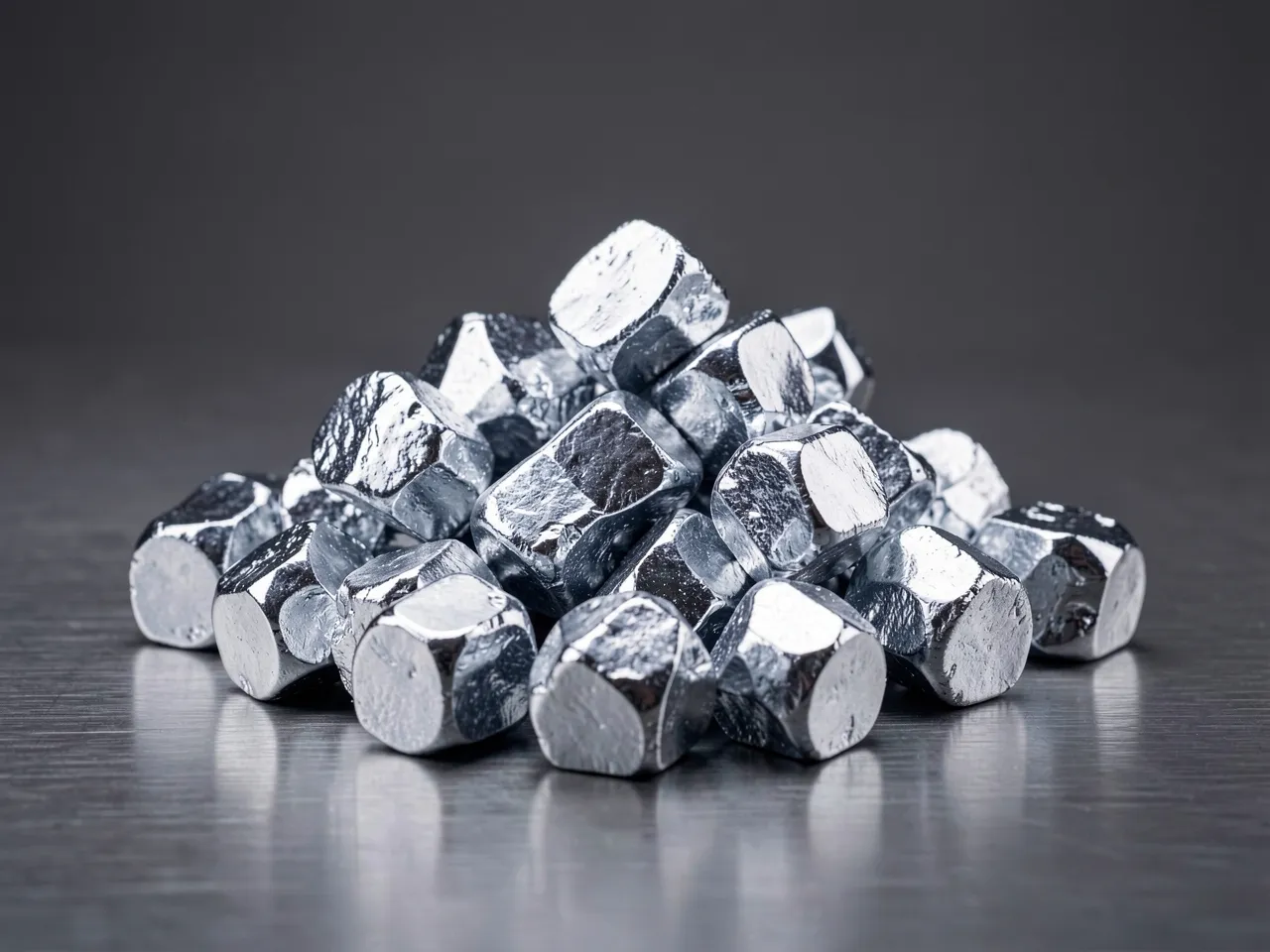
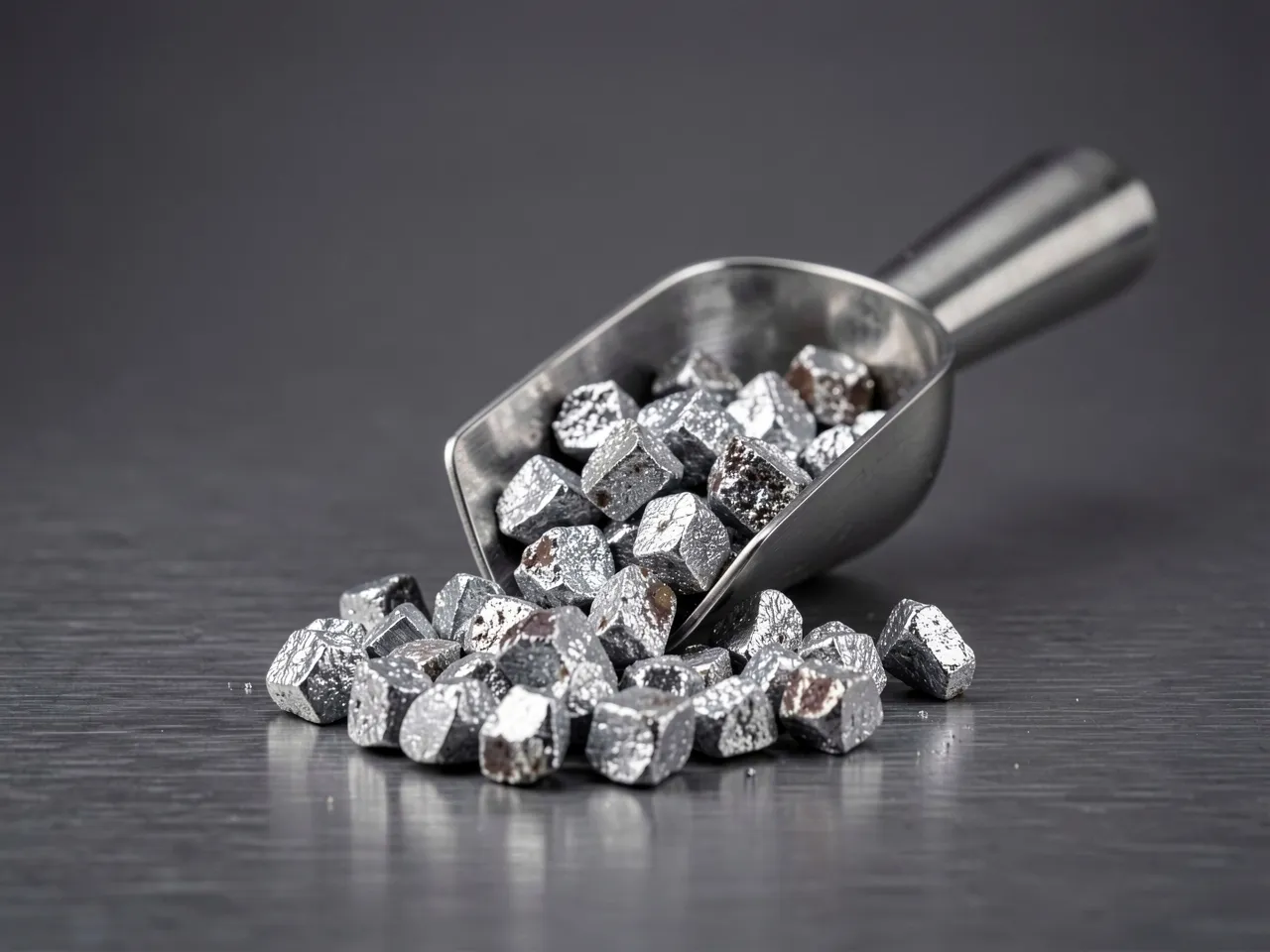
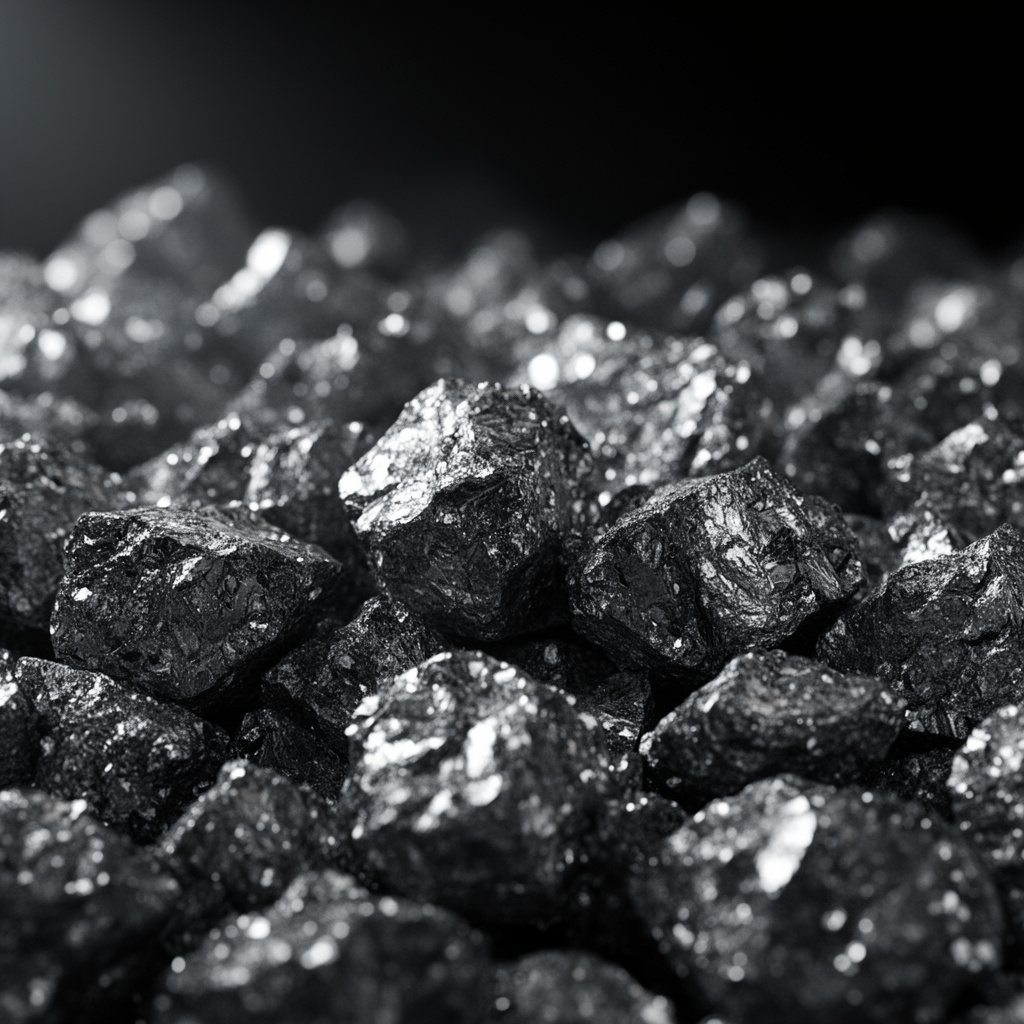
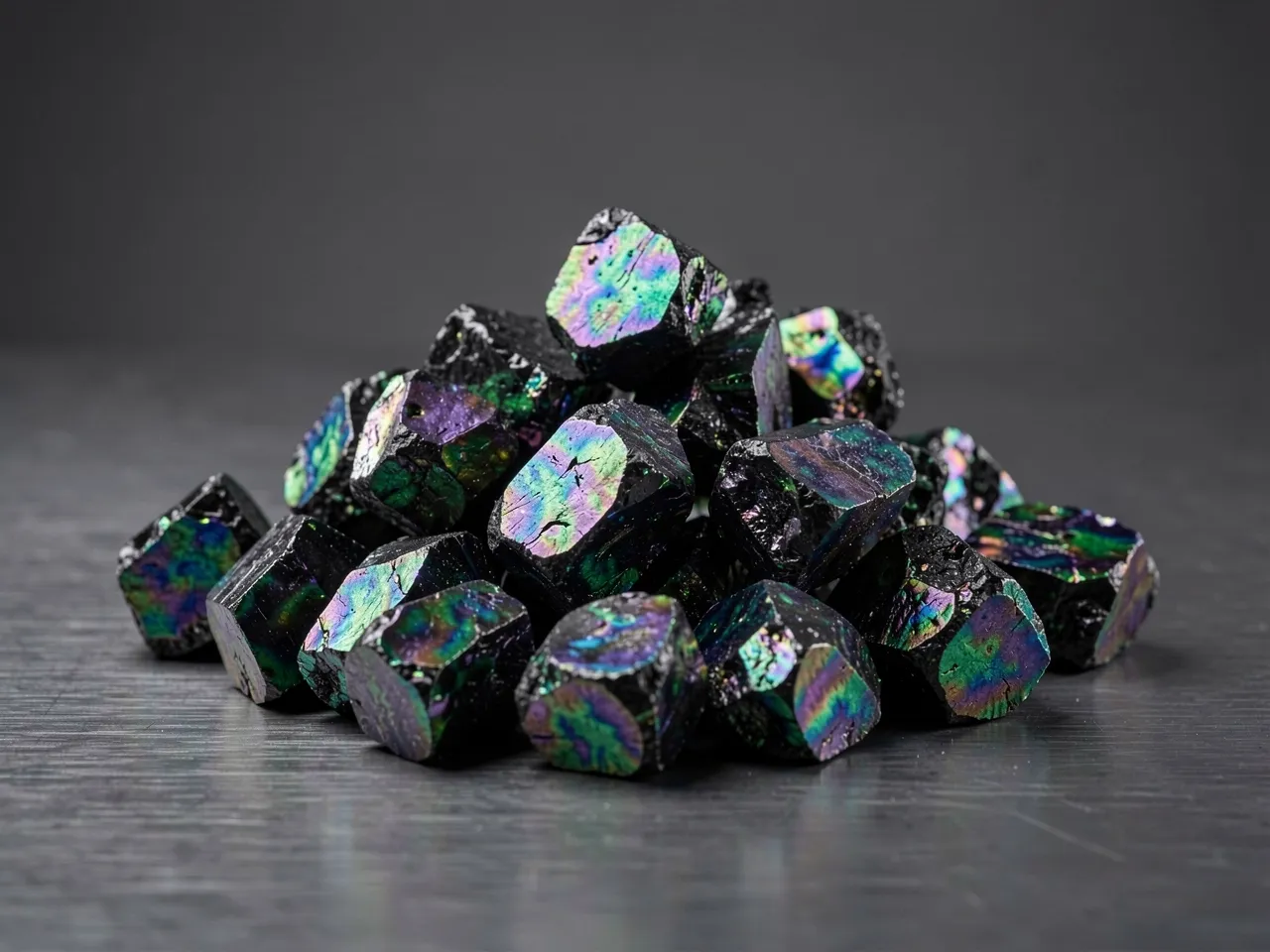
Silicon Carbide (SiC) is a covalently bonded ceramic compound that, in metallurgical grades, doubles as a combined deoxidizer, recarburizer, and silicon source for steel and cast iron. When charged to a melt, SiC dissociates so that its Si and C reduce dissolved oxygen and slag oxides (FeO, MnO), generating exothermic heat that stabilizes bath temperature and protects yield of Mn and other alloys. In EAF and induction practice it lowers FeSi and carbon consumption while improving slag foaming. Foundries use it for nucleation support in grey and ductile iron, sharpening graphite structure and machinability. Typical addition is roughly 0.3-1.5 wt% of charge, tuned to oxygen load and target chemistry. This grade runs SiC ≥ 90%, F.C ≤ 2.0%, and Fe₂O₃ ≤ 1.5%, supplied as 0-10 mm or 10-50 mm to match EAF charging versus ladle/inoculation needs. It also serves refractory and abrasive lines. Every lot ships with COA (EN 10204 3.1) and MTC, drawn from multi-regional sourcing with Gebze bonded stock (24-48h) and CIF Marmara delivery, 20 MT FCL. Send your grade and sizing for an RFQ.

Technische Spezifikationen

SiC≥ 90%
F.C≤ 2.0%
Fe2O3≤ 1.5%
Körnung0-10mm / 10-50mm

Arsam-Standard

GradesSiC ≥90%
Internationale ReferenzMetallurgische SiC-Qualität
Verpackung1 t Jumbo-Big-Bag · palettiert · FCL-Container
DokumentationCOA (EN 10204 3.1) · MTC · Strahlungszeugnis · CoO · EUR.1 / A.TR (EU)
QualitätskontrolleSiC / Fe₂O₃-Prüfung
Mindestbestellmenge20 t FCL / 5 t LCL
IncotermsFOB / CIF / CFR / DAP
LieferzeitSee CIF 28-35 Tage · Zolllager Gebze 24-48 h · alternativ Straße/Fähre 12-21 Tage

Internationale Standards dienen als Referenzgrundlage; Zertifikate werden auf Anfrage mit Dokumentenprüfung bereitgestellt.
Anwendungen

Industrielle Anwendungen
Steel deoxidation
Cast iron
Refractory materials
Abrasive materials

Häufig gestellte Fragen

Which SiC grade and size should I select for steel deoxidation versus foundry inoculation?
For EAF/ladle deoxidation and slag foaming, the coarser 10-50 mm fraction at SiC ≥ 90% withstands charging and dissolves through the bath. For grey/ductile iron nucleation support, the 0-10 mm fines react faster and disperse evenly in the ladle. Both carry F.C ≤ 2.0% and Fe₂O₃ ≤ 1.5%. Share your furnace type, tap weight, and target Si/C and we confirm the size split.
What is the typical dosage and addition rate for metallurgical SiC?
Addition usually falls between 0.3 and 1.5 wt% of the charge, set by dissolved-oxygen load and target chemistry. In EAF practice 0.5-1.0 wt% supports deoxidation, slag foaming, and energy savings by trimming FeSi and carbon use. Foundries dose lower, often 0.2-0.5 wt%, for nucleation. Because SiC delivers both Si and C, recalculate your FeSi and recarburizer additions to avoid over-alloying.
What packaging, MOQ, and lead time apply?
SiC ships in 1 MT jumbo big bags, palletized, in FCL containers. MOQ is 20 MT FCL or 5 MT LCL for trial and blended orders. From Gebze bonded stock, dispatch runs 24-48h; sea CIF arrivals are typically 28-35 days, with road/ferry routing of about 12-21 days when faster transit is needed. Confirm grade, size, and Incoterm (FOB, CIF, CFR, or DAP) for a delivered-cost quote.
How is quality assured, and which documents come with the shipment?
Each lot is verified for SiC content and Fe₂O₃ before release, with sizing checked against the 0-10 mm or 10-50 mm spec. Shipments include COA (EN 10204 3.1) and MTC documenting the analyzed chemistry. CoO and EUR.1 / A.TR can be issued for EU customs. Pre-shipment retained samples are available on request so your incoming QC can cross-check the reported values.
When should I substitute SiC for FeSi plus a recarburizer, or vice versa?
SiC is favored when you want combined Si and C delivery with an exothermic, oxygen-scavenging effect that steadies bath temperature and aids slag foaming, often reducing total FeSi and carbon spend. Straight FeSi plus a separate recarburizer gives finer independent control of Si and C when chemistries diverge or low residuals are critical. We can quote SiC alongside FeSi and recarburizer so you compare yield and delivered cost per heat.

Einsatz in diesen Branchen