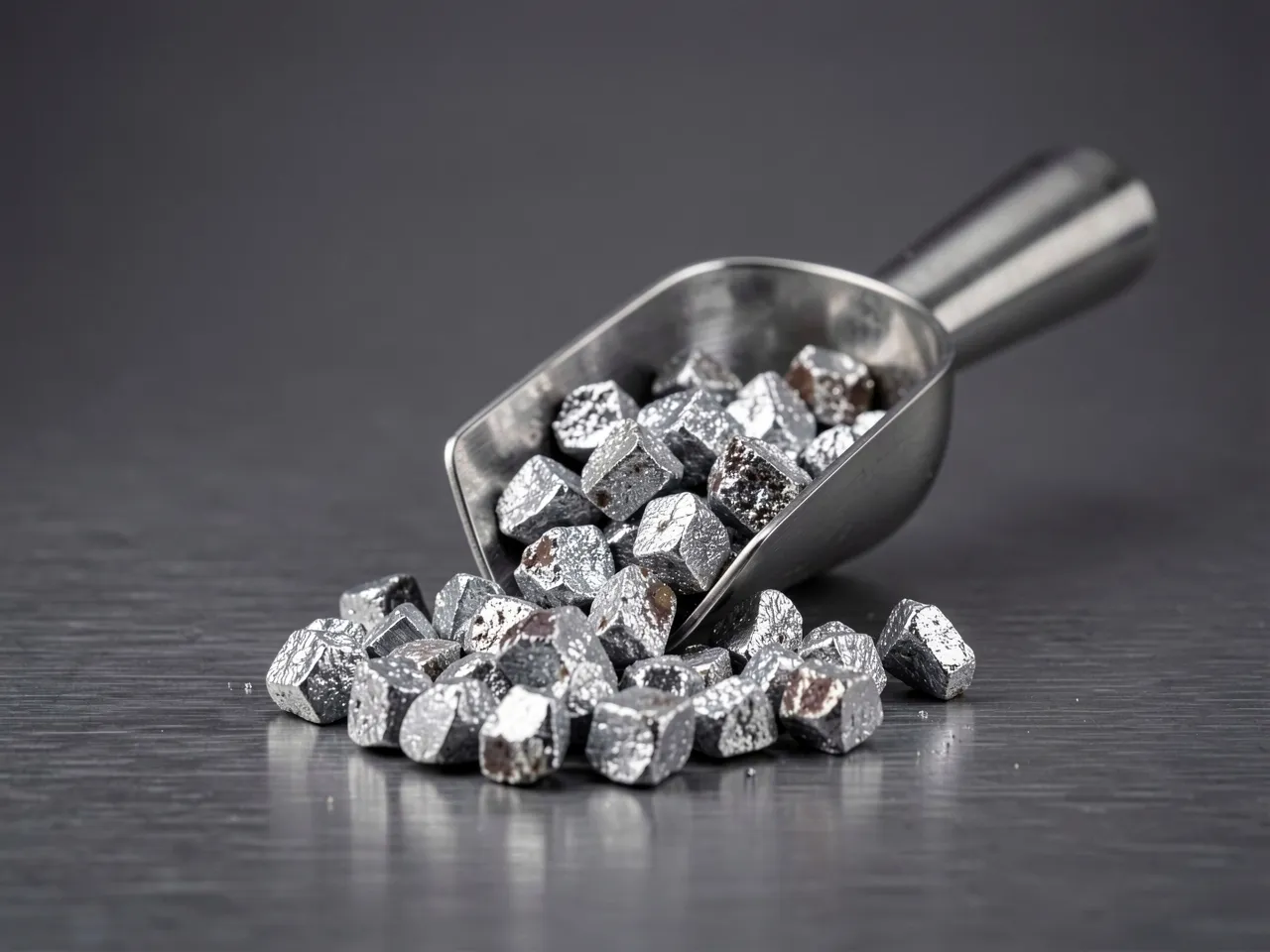
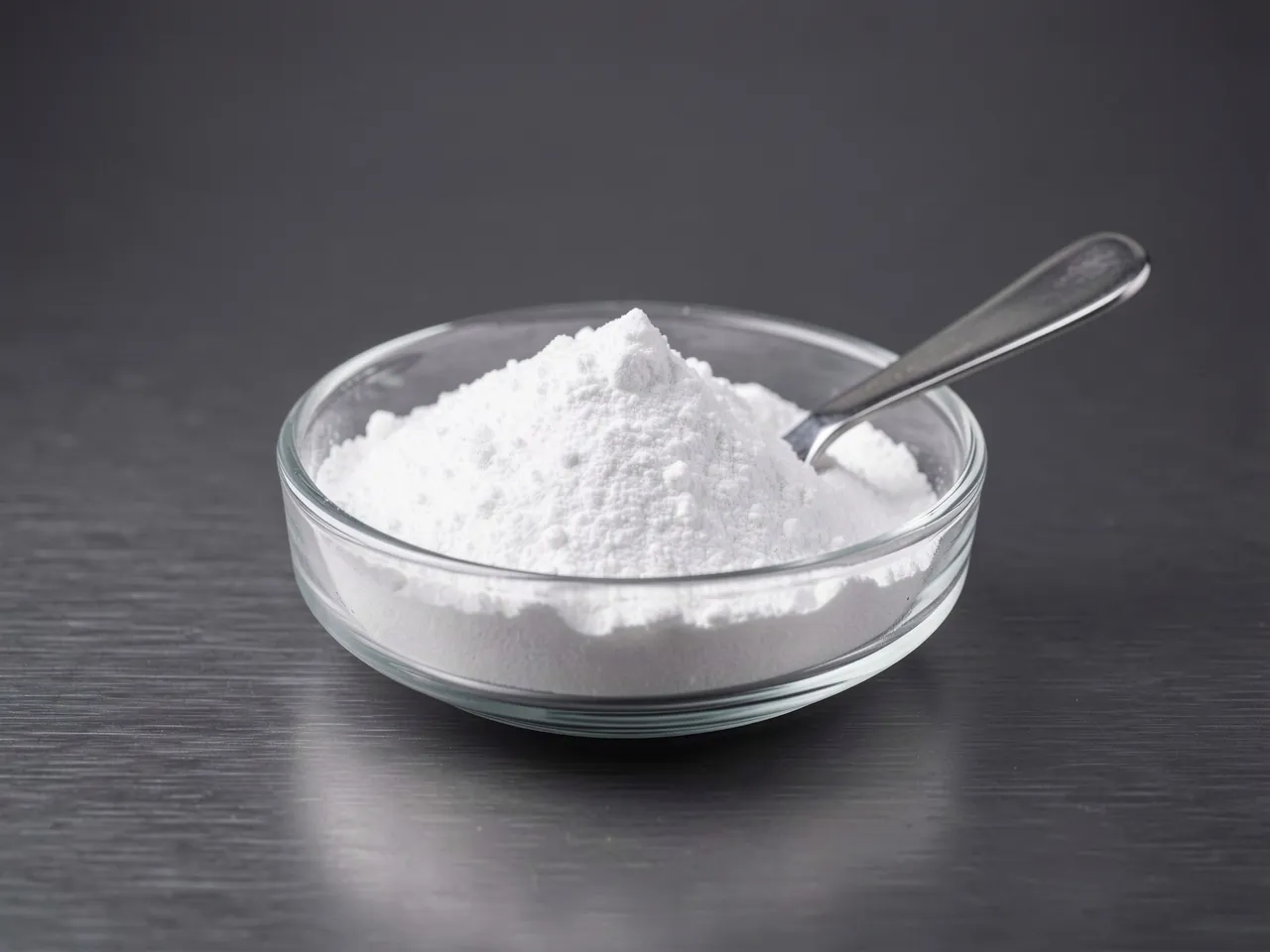
Hochreine anorganische Salze und Silizium. Cu(NO₃)₂ und Ni(NO₃)₂ (Katalysator- + Batterievorläufer-Qualität, Pb ≤10 ppm) + Si-Metall 4-4-1/5-5-3, für Katalysatorformulierung, F&E und chemische Produktion.
Die chemische Industrie kauft Metalleinsatzstoffe nicht wegen ihres metallurgischen Verhaltens in der Masse, sondern wegen dessen, was ihre gelöste oder reaktive Form nachgelagert liefert: ein definiertes Kation, ein kontrolliertes Verunreinigungsprofil und Konsistenz von Charge zu Charge. Drei Arbeitsabläufe dominieren hier die Beschaffung. Die Herstellung heterogener Katalysatoren beginnt mit einem Metallsalz-Vorläufer, der auf einen Träger (Aluminiumoxid, Siliziumdioxid, Kohlenstoff) imprägniert und dann kalziniert und reduziert wird, sodass das Anion des Vorläufers (Nitrat zersetzt sich sauber zu Oxid + NOx) und sein Spurenmetallprofil über Katalysatoraktivität und Vergiftungsrisiko entscheiden. Die Batterievorläufer-Arbeit speist die Kathodensynthese, bei der gelöste Übergangsmetallsalze gemeinsam zu Hydroxid-Zwischenprodukten ausgefällt werden. Siliziumbasierte Chemie und F&E verbrauchen Silizium in metallurgischer Qualität als Einsatzstoff für nachgelagerte Silizium- und Silan-Routen, bei denen der Fe/Al/Ca-Grundgehalt des Ausgangsmetalls die erreichbare Reinheitsobergrenze bestimmt.
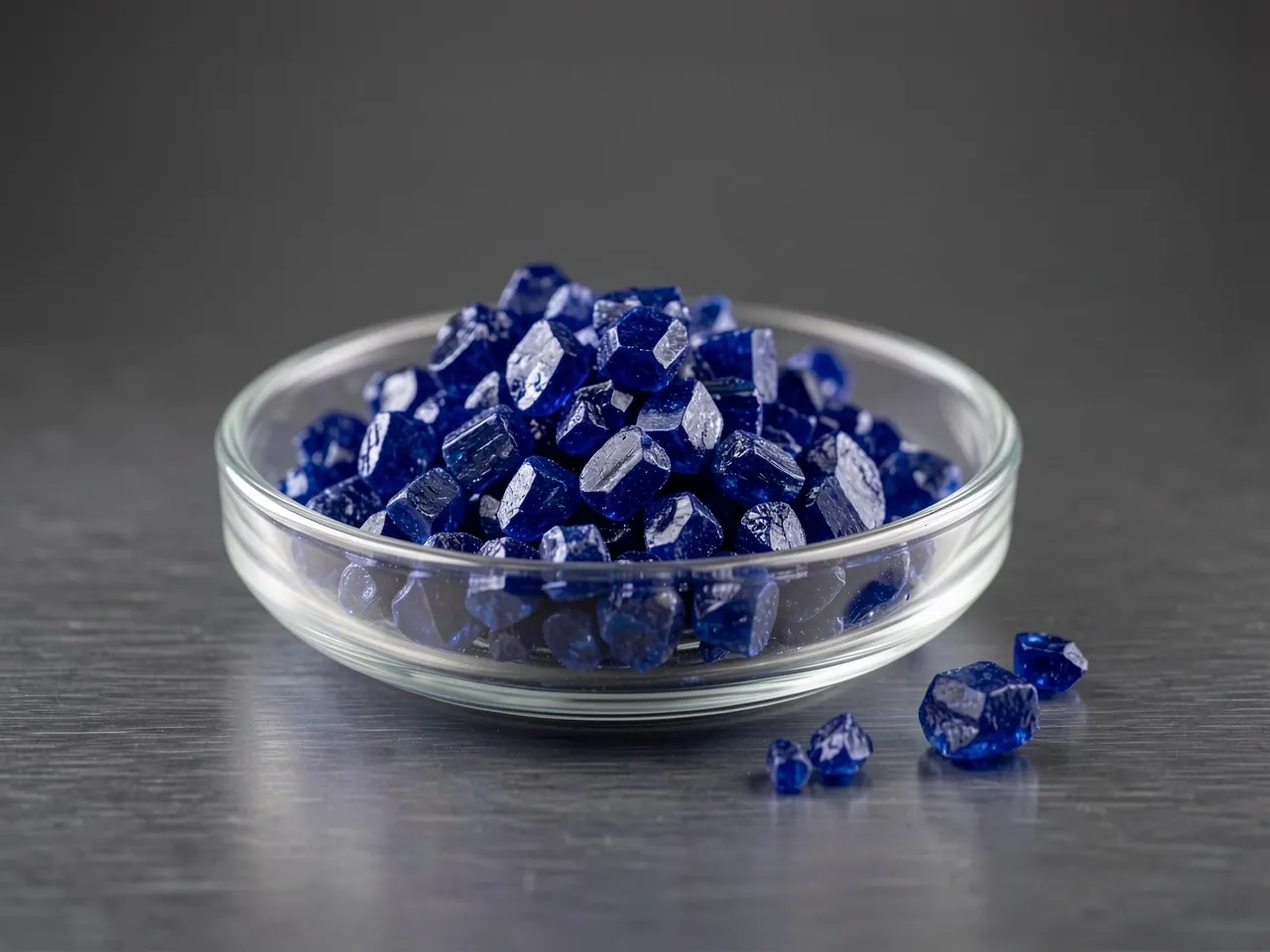
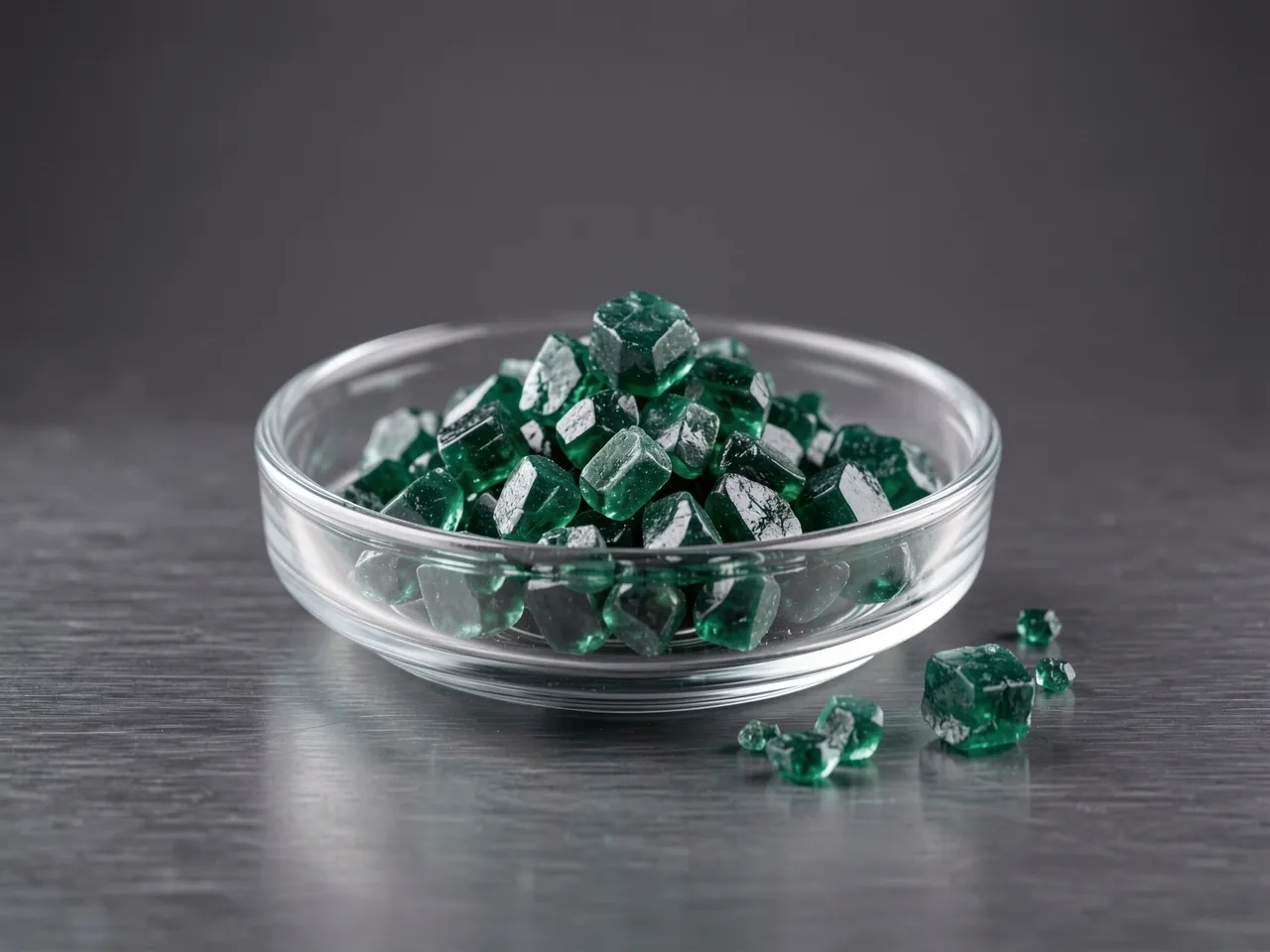
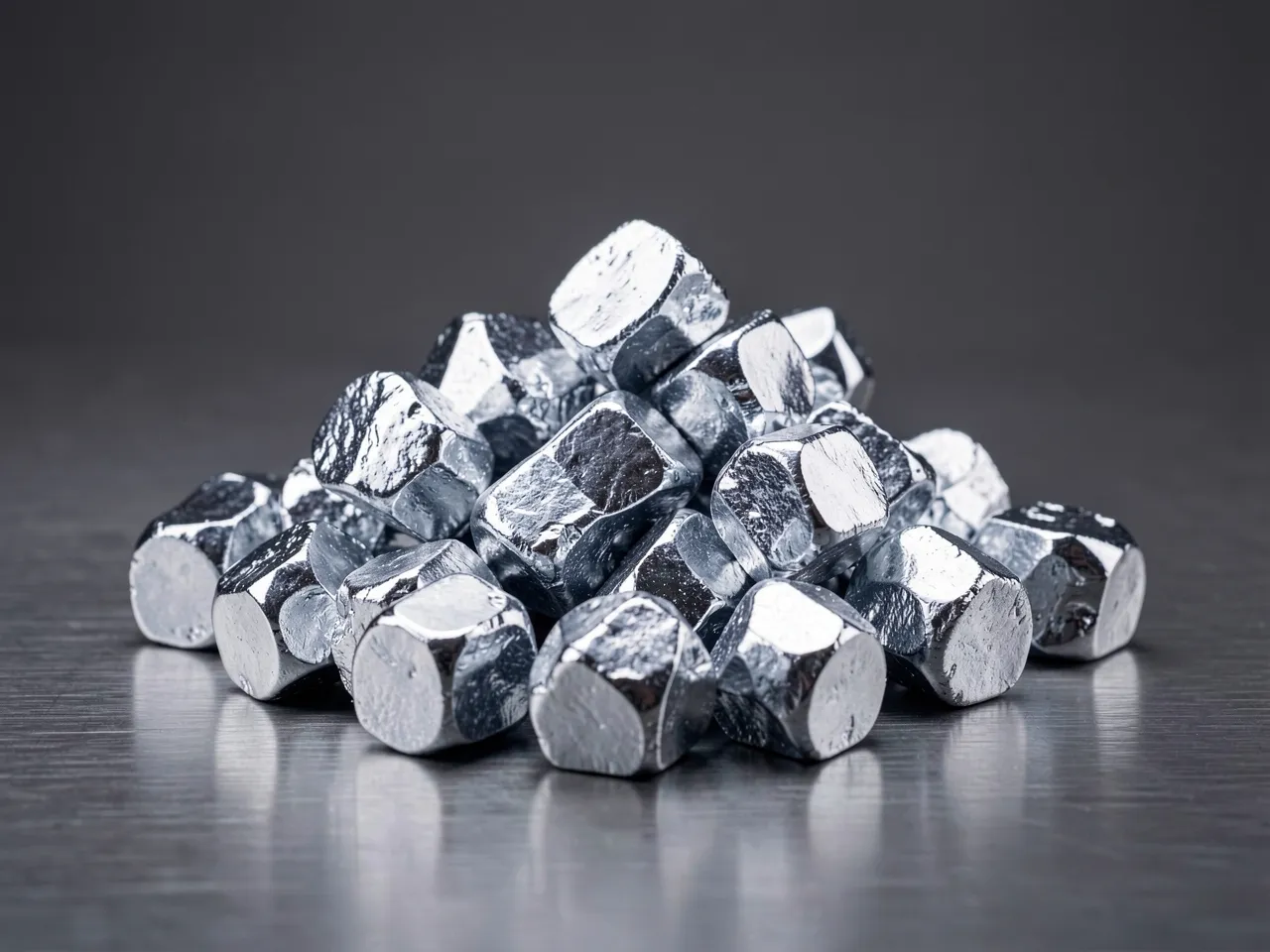
Jede Produktklasse ist einer bestimmten Stufe zugeordnet. Kupfer(II)-nitrat-Trihydrat, Cu(NO₃)₂·3H₂O (CAS 10031-43-3), steht am Imprägnierschritt für Cu-basierte Katalysatoren sowie in Oberflächenbeschichtungs- und stromlosen Chemien; eine enge Obergrenze von Pb ≤10 ppm plus niedrig gehaltenes Cl, Fe, Al und Si hält katalytische Zentren und Galvanikbäder sauber. Nickel(II)-nitrat-Hexahydrat, Ni(NO₃)₂·6H₂O (CAS 13478-00-7), speist die NMC-Kathodenvorläufer-Kofällung und die Ni-Katalysatorformulierung, ebenfalls bei Pb ≤10 ppm. Silizium-Metall 4-4-1 (Si ≥99%) und 5-5-3 (Si ≥98.5%) dienen als Schmelz- und Prozesseinsatzstoff, wo der Si-Grundgehalt und die Rest-Fe/Al/Ca wichtiger sind als die Partikelmorphologie.
Die Grade-Auswahl wird von der Verunreinigung bestimmt, die Ihren Prozess stört, nicht vom Nenn-Gehalt. Für Katalysator- und Batterievorläufer-Salze geben Sie die ICP-MS-verifizierte Spuren-Obergrenze (Pb, Cl, Alkali) an statt nur den Kation-Prozentsatz; für Si-Metall legen Sie den Grade 441 vs. 553 anhand Ihres nachgelagerten Reinheitsziels fest. Jede Charge wird mit COA und MSDS/SDS versandt; FPC und ein Certificate of Performance sind auf Anfrage erhältlich, und die EN-10204-3.1-Dokumentation unterstützt eine auditierbare Lieferung für EU-orientierte Käufer, wobei CBAM-Daten zu eingebetteten Emissionen bereitgestellt werden, wo eine nachgelagerte Edelstahl- oder EAF-Route in den Anwendungsbereich fällt.
Die Versorgung läuft über Beschaffung aus mehreren Regionen, um die Spezifikation ohne Einkanal-Abhängigkeit zu halten: CIF Marmara, Gebze-Zolllagerbestand für Abrufe in 24-48h, Salze in 25 kg HDPE-Fässern, 1 MT IBC oder Jumbo-Bag, Containermaßstab 20 MT FCL mit kleineren Losen auf Anfrage. Gemischte Katalysatorsalz- und Si-Metall-Bestellungen werden zu einer Sendung zusammengefasst, und Anfragen werden mit aktueller Spezifikation und Lieferbedingungen beantwortet.
Schreiben Sie uns Produkt, Menge und Spezifikation — Angebot innerhalb von 4 Stunden.
Angebot anfordern