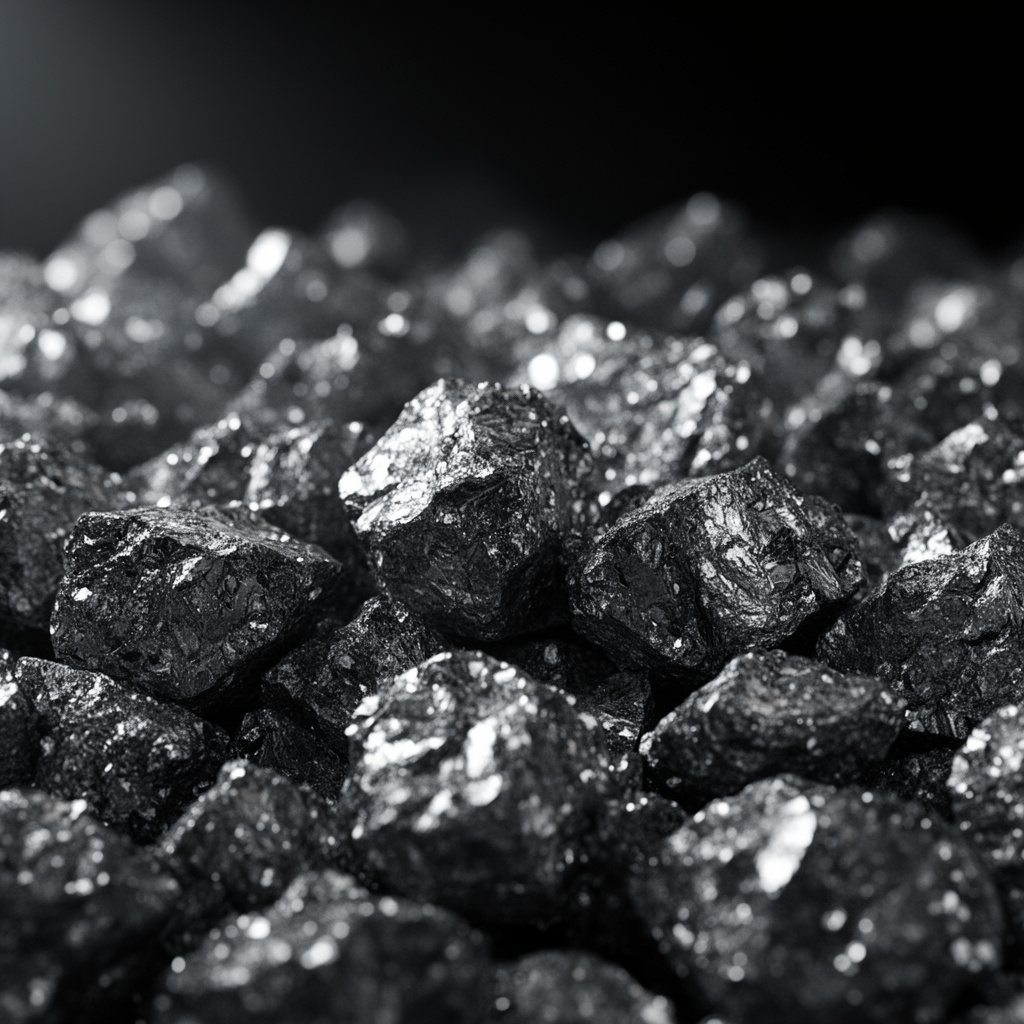
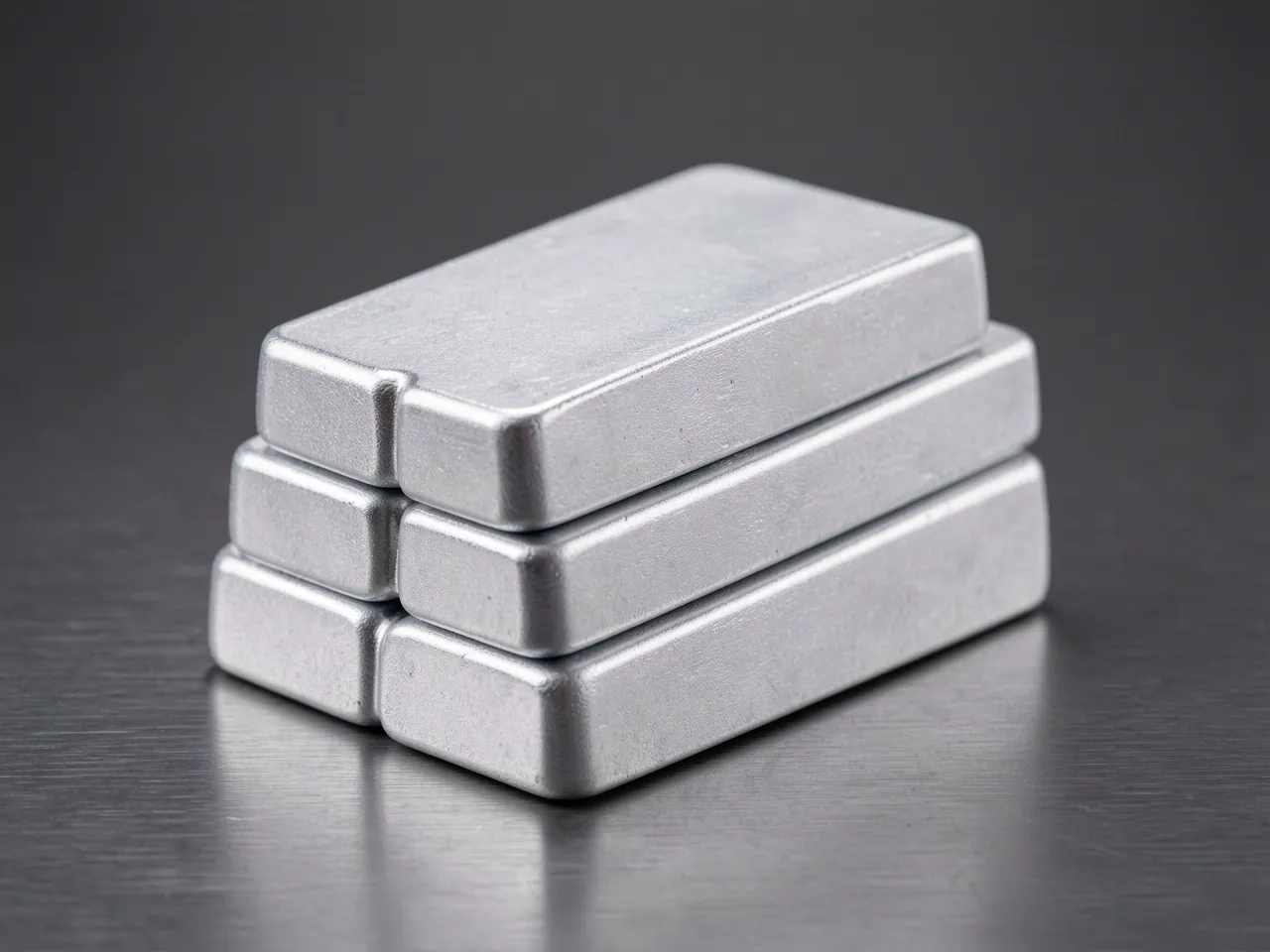
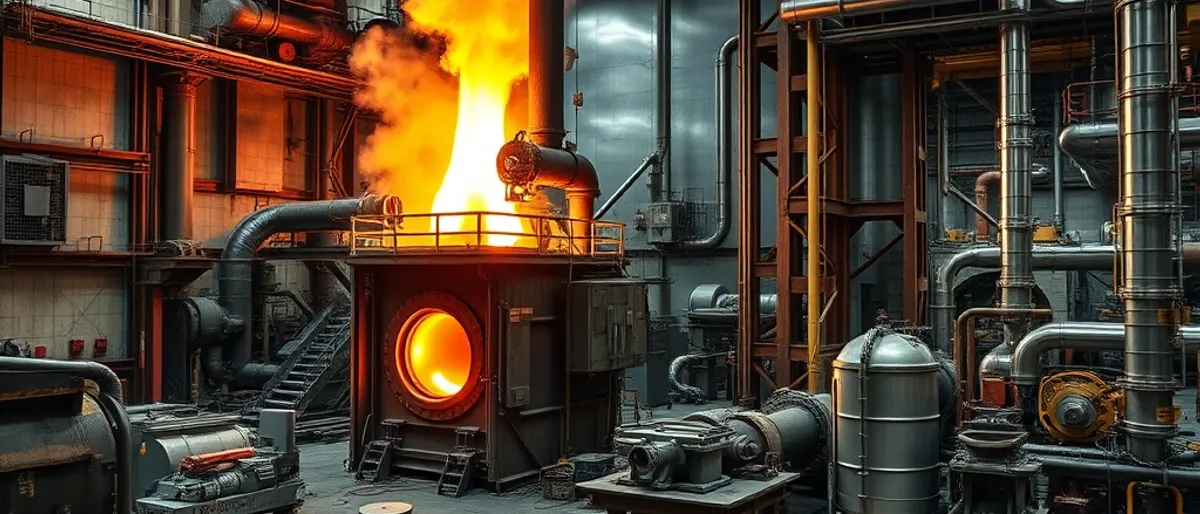
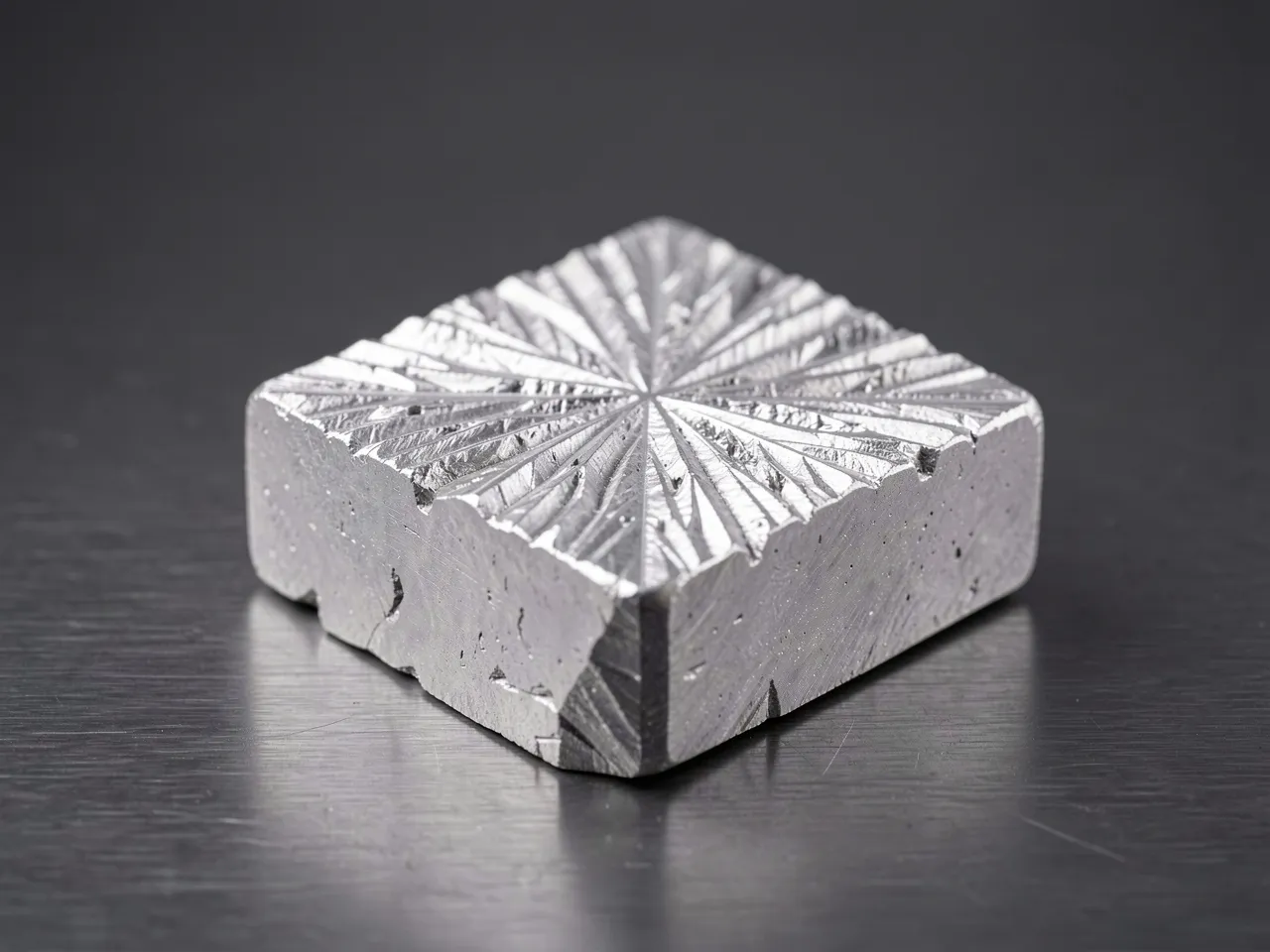
Primary magnesium ingot at Mg ≥ 99.9% is a high-purity reductant and alloying metal. Its strong affinity for oxygen and sulphur drives the core mechanisms: in hot-metal desulphurization, injected Mg reacts to form stable MgS that floats into slag, cutting S toward ≤ 0.005% for clean-steel and pipeline grades. In ductile-iron production it is the active element behind nodulizer (FeSiMg) chemistry, converting flake graphite to spheroidal form. In aluminum alloys it is the primary strengthening element of the 5xxx series and pairs with Si as Mg2Si in 6xxx, and it sets strength in many die-cast grades. Typical additions run roughly 0.1-0.5% Mg in cast-iron treatment and up to several wt% in Al alloys, with melt loss compensated per practice. The tight residual ceiling — Al ≤ 0.02%, Si ≤ 0.01%, Fe ≤ 0.005%, Cu ≤ 0.005%, Ni ≤ 0.001% — keeps recovery predictable and protects downstream alloy targets; the same purity suits titanium-sponge (Kroll) reduction. Supplied as 7.5 / 12 kg ingot with COA and MTC, multi-regional sourcing, CIF Marmara or Gebze bonded stock, 20 MT FCL. Send your grade and tonnage for an RFQ.
Specifiche tecniche
Mg
≥ 99.9%
Al
≤ 0.02%
Si
≤ 0.01%
Fe
≤ 0.005%
Cu
≤ 0.005%
Ni
≤ 0.001%
Forma
7.5 / 12 kg ingot
Applicazioni
Aluminum-alloy additive
Hot-metal desulphurization
Nodulizer feedstock
Die-cast / Ti sponge
Domande frequenti
Quale grado e limiti sulle impurezze specificare per il lingotto di magnesio primario?
Questo grado è Mg primario ≥ 99,9%, con Al ≤ 0,02%, Si ≤ 0,01%, Fe ≤ 0,005%, Cu ≤ 0,005% e Ni ≤ 0,001%. I bassi tetti di Fe, Cu e Ni contano per le leghe di alluminio sensibili alla corrosione e per una chimica pulita del nodulizzante, dove la contaminazione da metalli pesanti degrada la sferoidizzazione della grafite. Per l'aggiunta a leghe di alluminio e come materia prima per MgFeSi da ghisa sferoidale, il 99,9% (spesso scritto 9990) è il riferimento standard; confermi questi limiti rispetto alla scheda di specifica della Sua lega o fonderia.
Qual è il dosaggio tipico e come si aggiunge il magnesio in pratica?
Il dosaggio dipende dalla via. Per la desolforazione della ghisa liquida, il consumo di magnesio è guidato dallo S iniziale e dallo S target, tipicamente qualche decimo di kg per tonnellata tramite iniezione. Come materia prima per nodulizzante, il lingotto viene legato in MgFeSi dove il Mg residuo nella ghisa sferoidale si attesta vicino a 0,03-0,05 wt%. Per le leghe di alluminio, l'aggiunta di Mg è fissata dalla chimica della lega target. Tenga conto delle perdite di recupero e della finestra di decadimento del Mg, poiché il Mg disciolto si ossida e decade nel tempo di mantenimento.
Come viene imballato il lingotto e quali sono i tempi di consegna e il MOQ?
La forma standard è in lingotti da 7,5 kg o 12 kg, reggiati e raggruppati su pallet per la movimentazione con carrello elevatore e un impilamento stabile. Il tempo di consegna dipende dal fatto che il materiale provenga da stock in deposito doganale a Gebze o arrivi su un lotto in ingresso; confermiamo rispetto alla posizione attuale all'ordine. La movimentazione tipica è 20 MT FCL per l'economia a container completo o 5 MT LCL per prove minori. La consegna è quotabile CIF Marmara o franco deposito doganale secondo la Sua preferenza di Incoterms.
Quale documentazione di qualità e quali prove accompagnano ogni lotto?
Ogni lotto viene spedito con un COA o certificato di prova materiale (MTC) che riporta il titolo di Mg e le impurezze controllate (Al, Si, Fe, Cu, Ni). La composizione è verificata tramite spark-OES o ICP rispetto ai limiti indicati. Dove la Sua procedura di accettazione lo richiede, è possibile organizzare campioni di riserva o una verifica di terze parti. Fornisca le Sue clausole di ispezione e qualsiasi riferimento ASTM, DIN o ISO in fase di richiesta così che documentazione e campionamento corrispondano ai Suoi requisiti di merce in accettazione e di audit.
Quando conviene usare il lingotto rispetto a un prodotto di magnesio legato o alternativo?
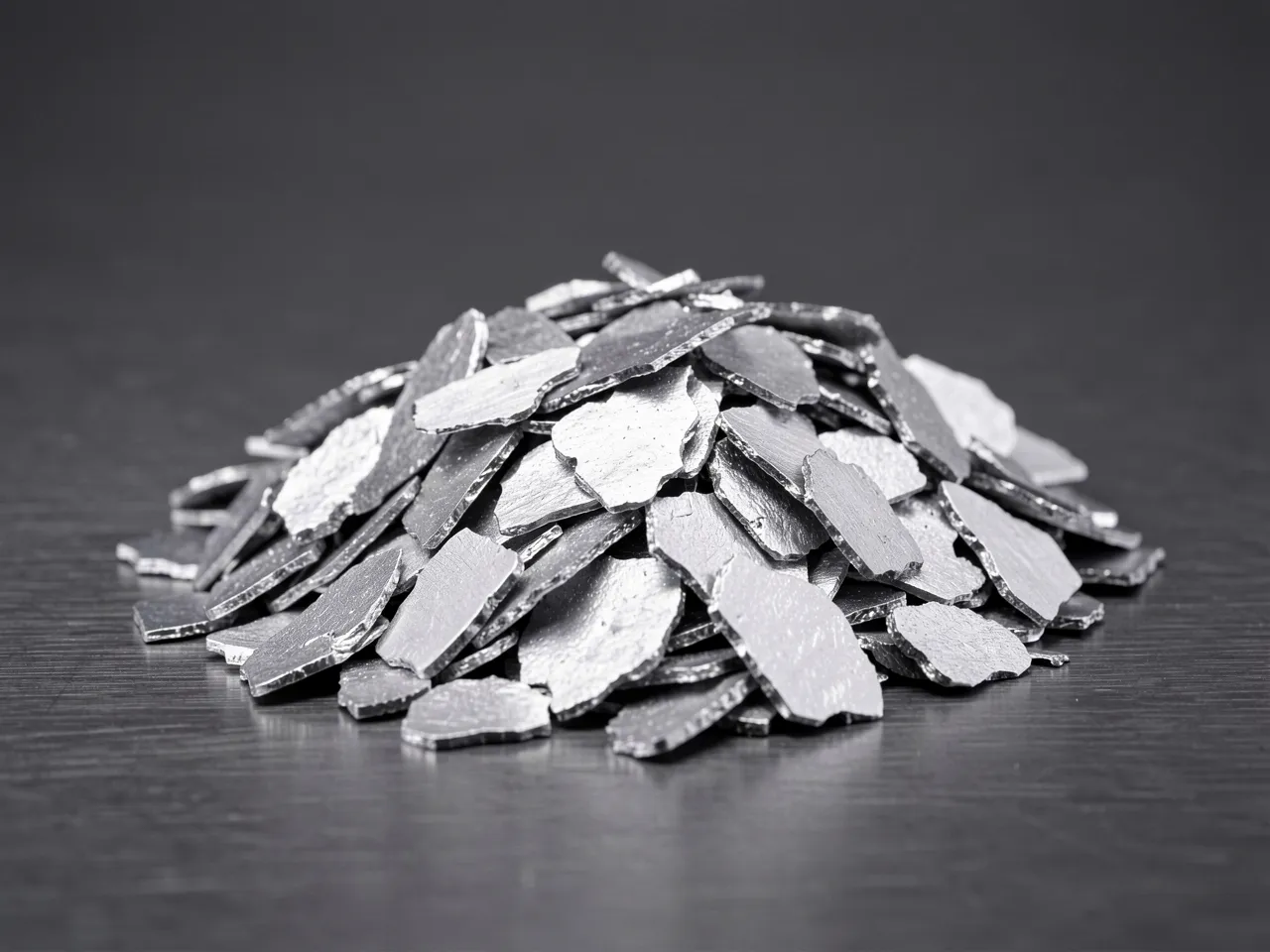
Usi il lingotto primario quando gestisce internamente l'alligazione o l'iniezione e desidera flessibilità tra aggiunta all'alluminio, desolforazione e preparazione del nodulizzante. Se sferoidizza direttamente la ghisa sferoidale, un MgFeSi pre-legato (nodulizzante) dà un recupero più controllato e meno violento del Mg puro. Per la desolforazione, il lingotto alimenta i sistemi a filo animato o a iniezione. I granuli o le scaglie di magnesio sono adatti all'iniezione dosata dove il lingotto deve prima essere lavorato. Possiamo fornire tutte queste forme tramite approvvigionamento multi-regionale per adattarci al Suo processo.