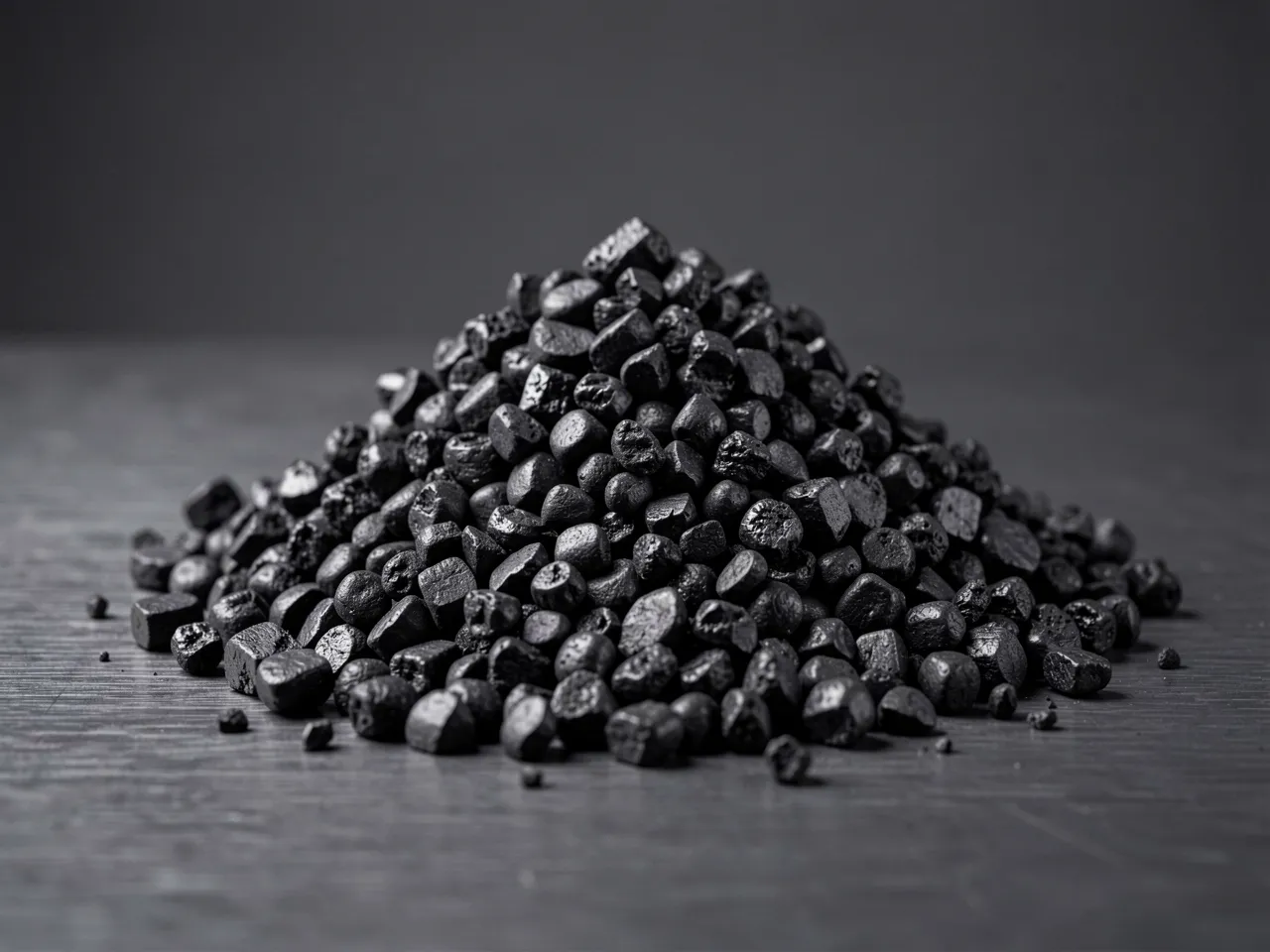
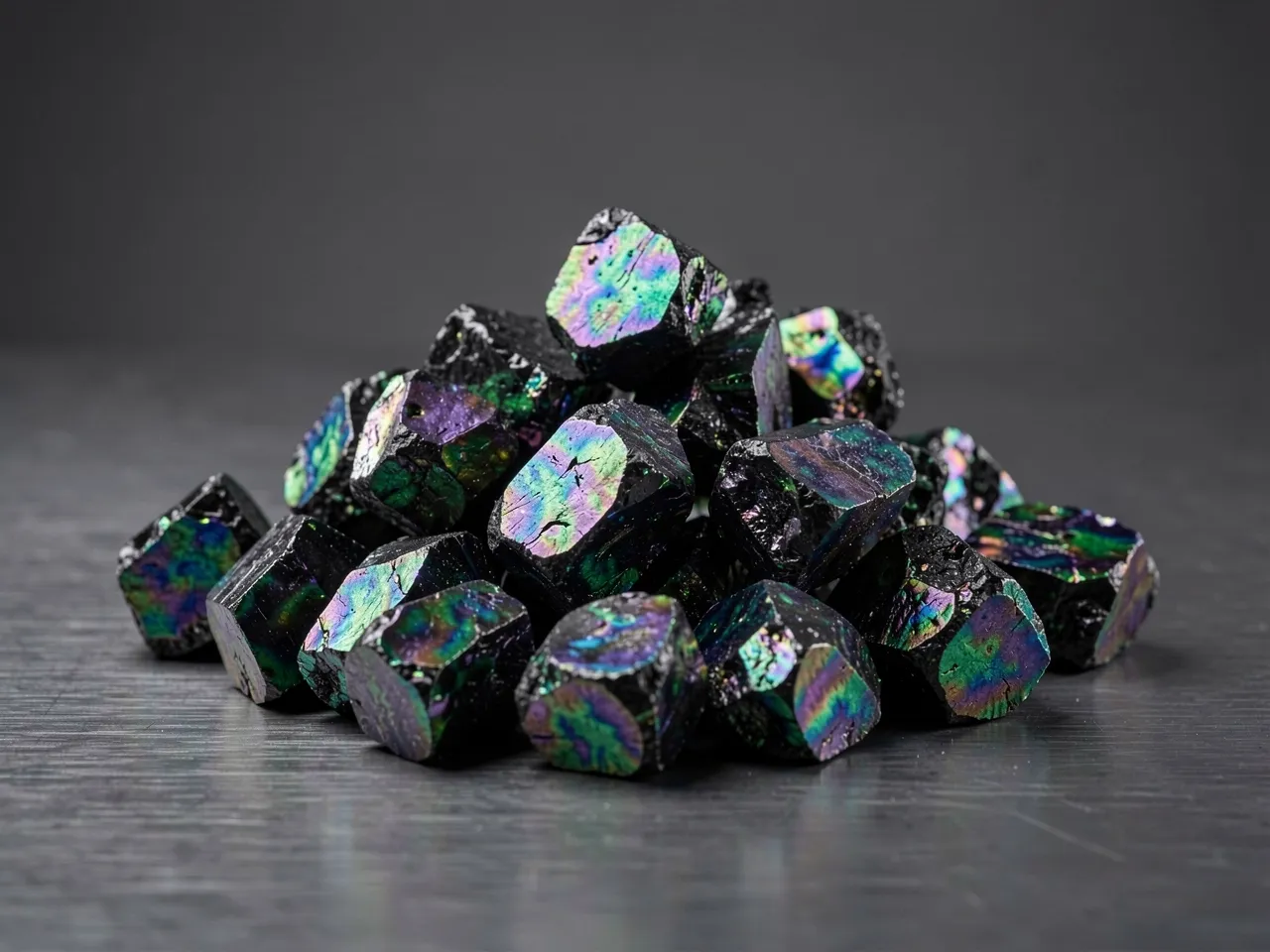
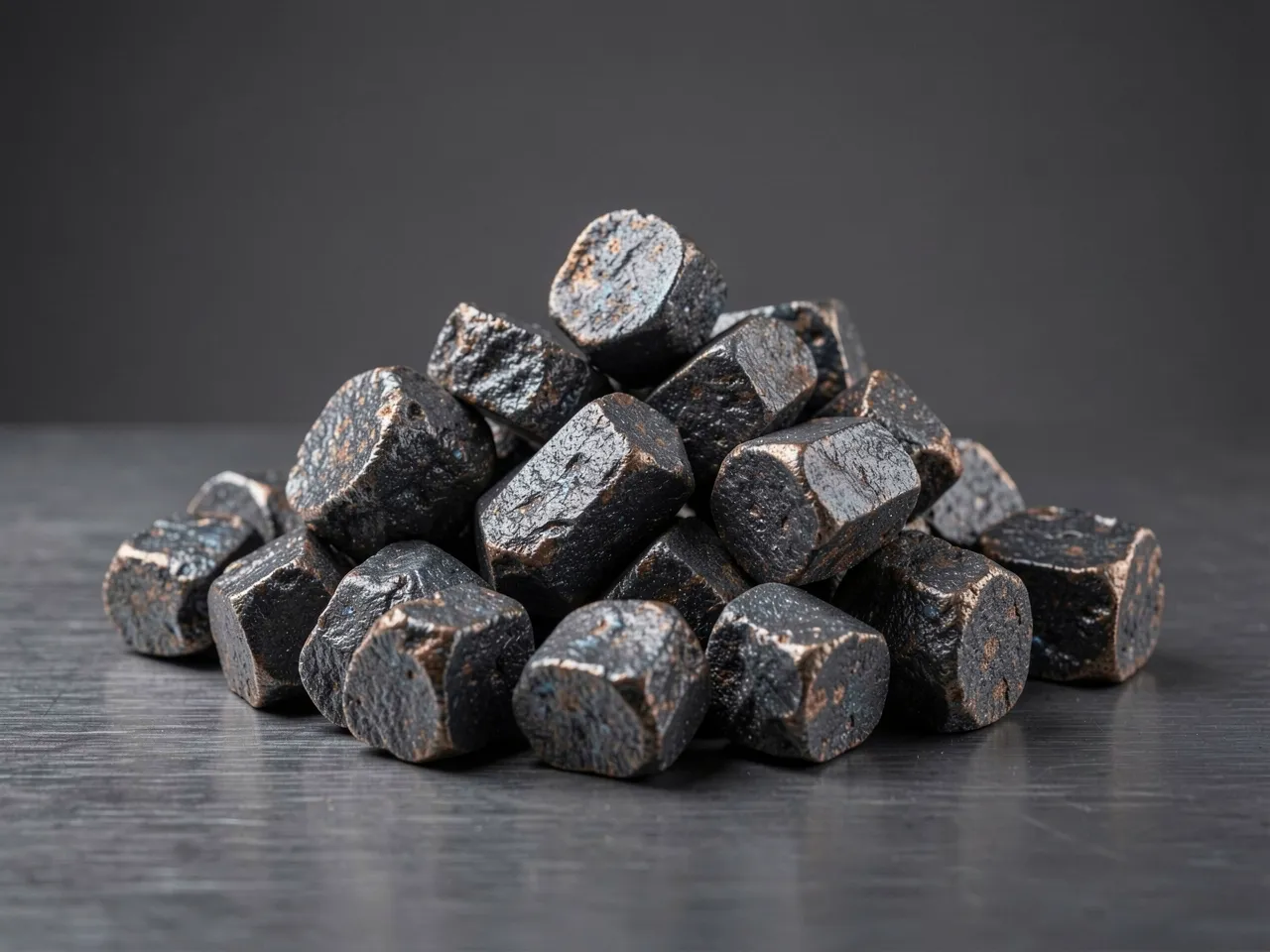
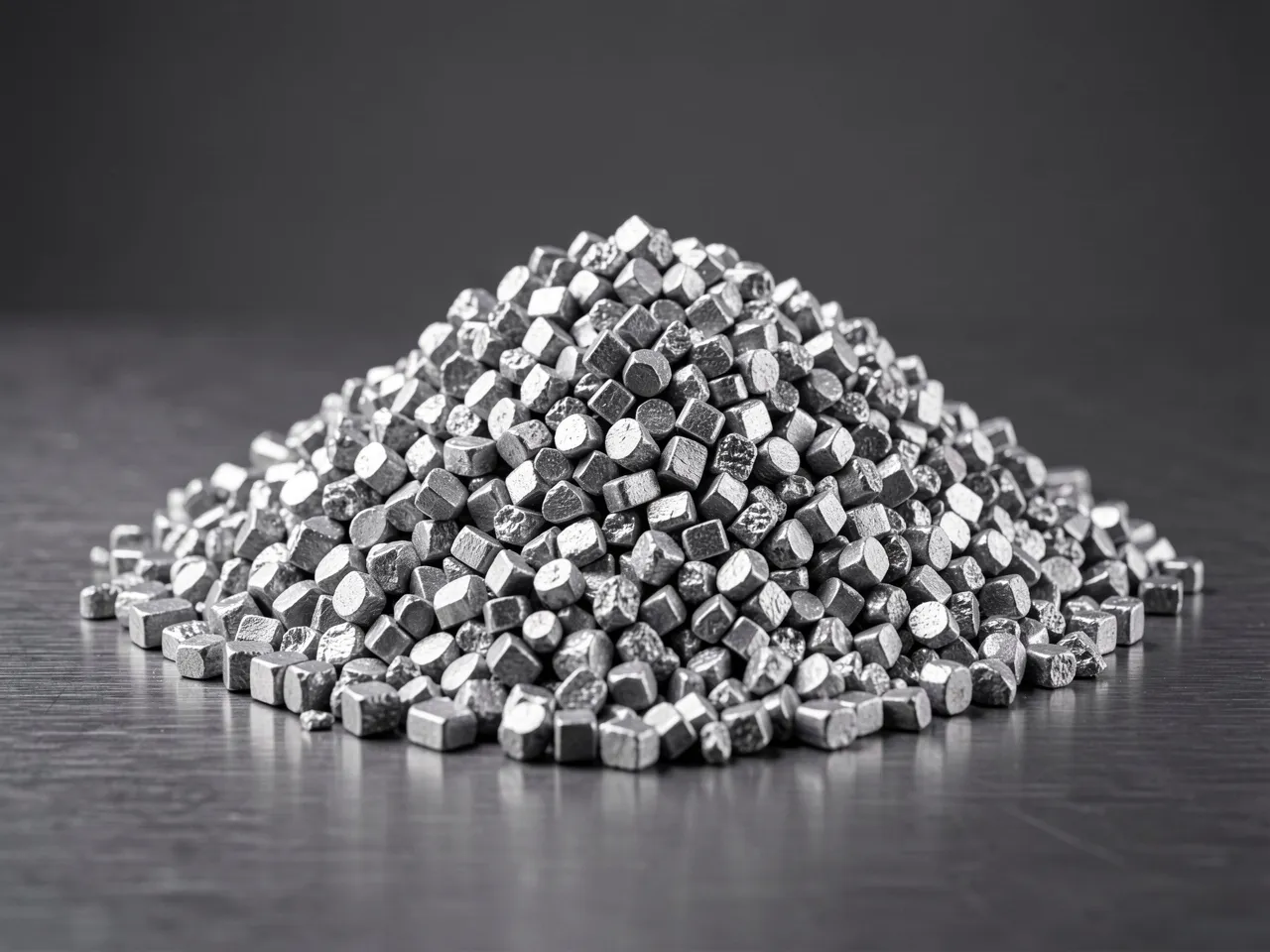
I nostri prodotti

Ferroleghe e materie prime industriali di qualità superiore

Catalogo prodotti (PDF)
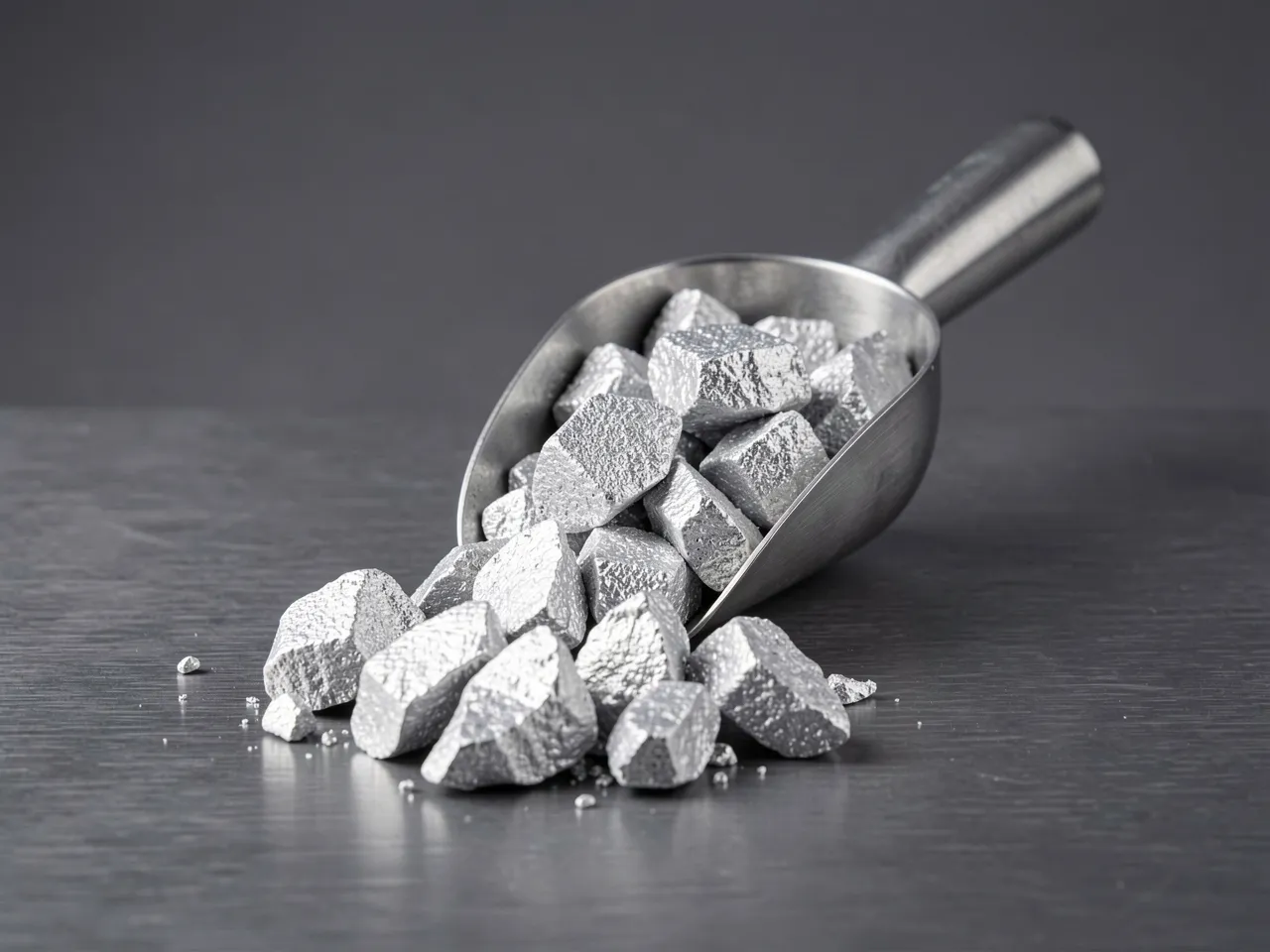
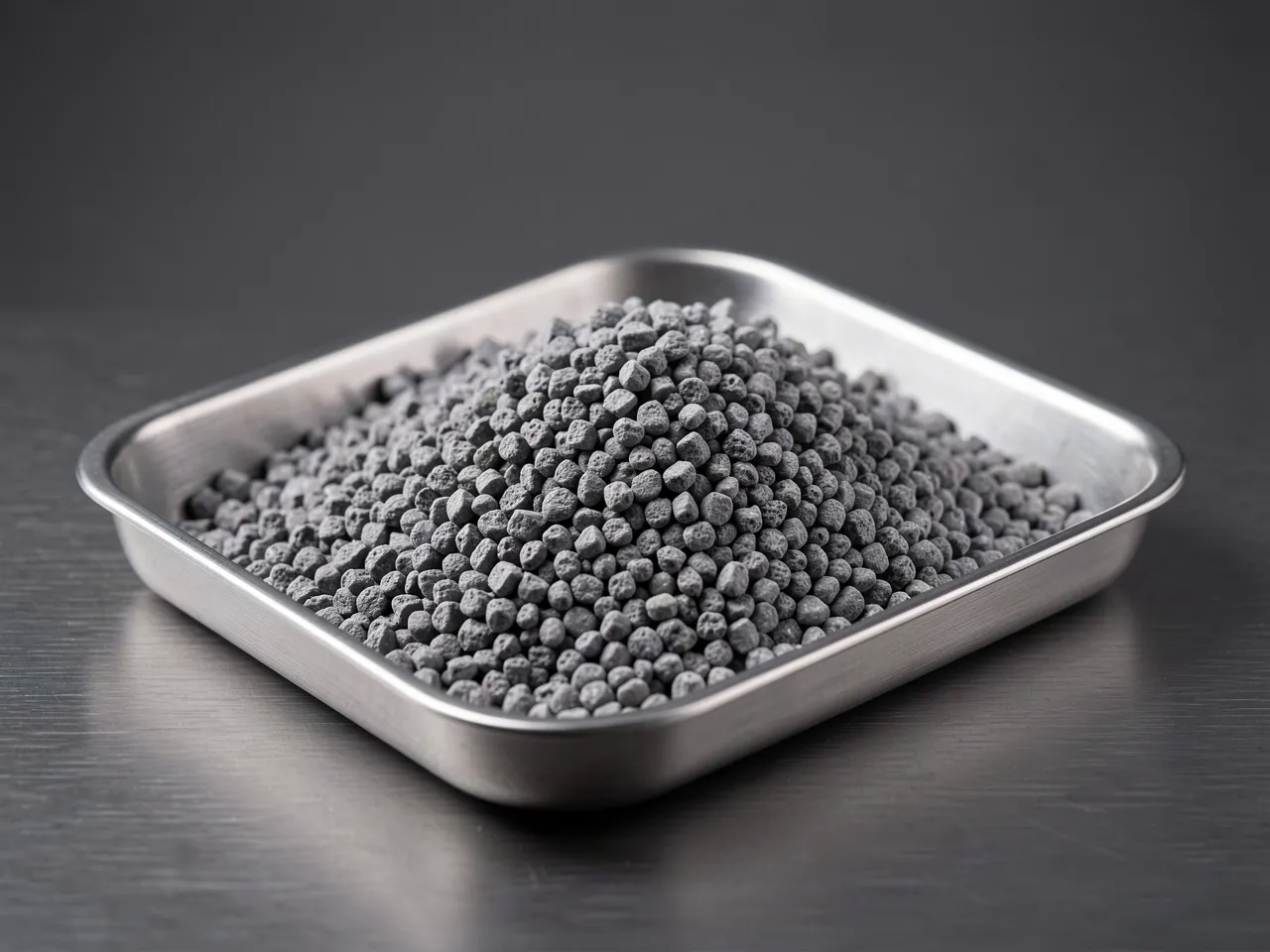
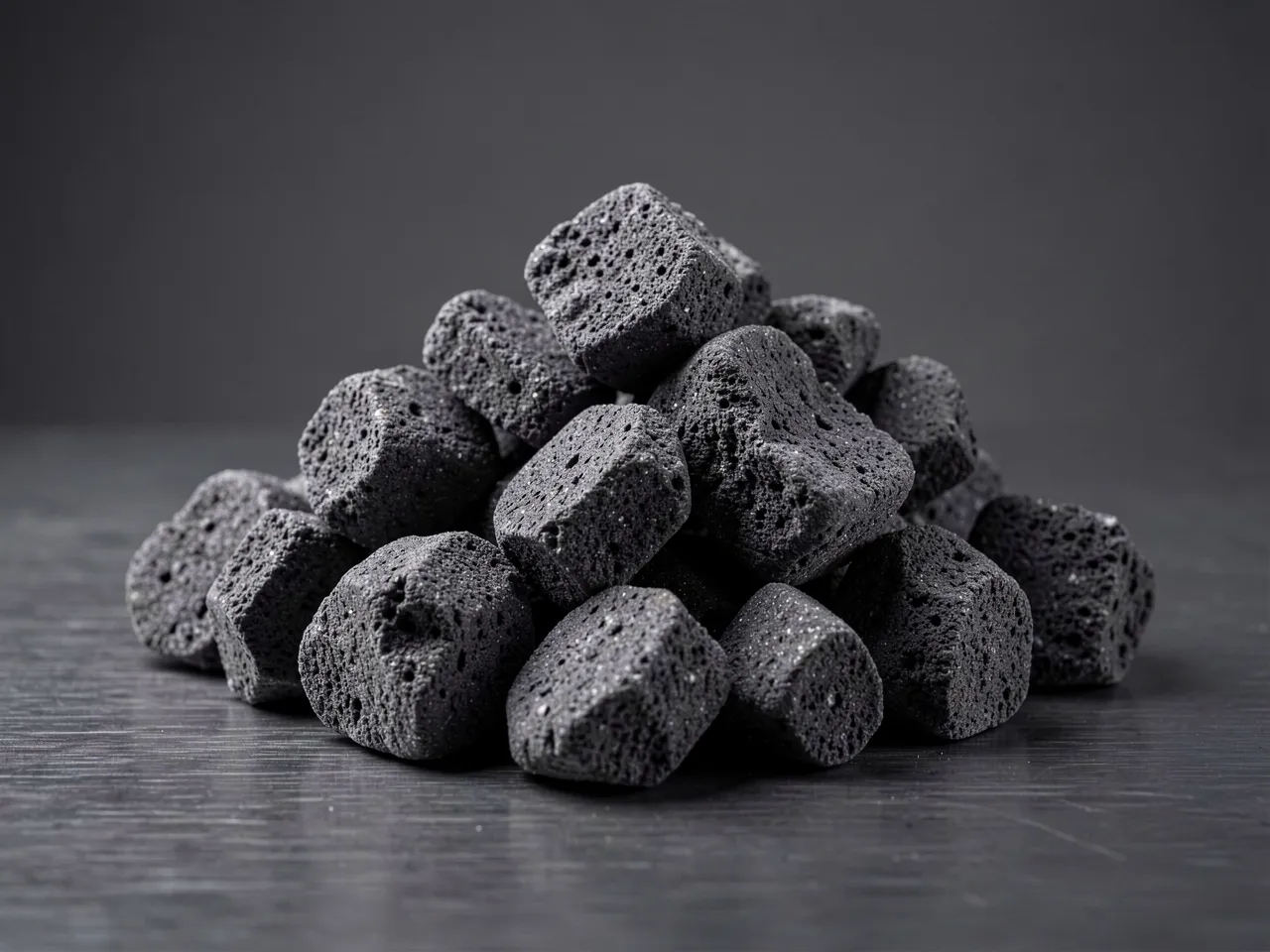
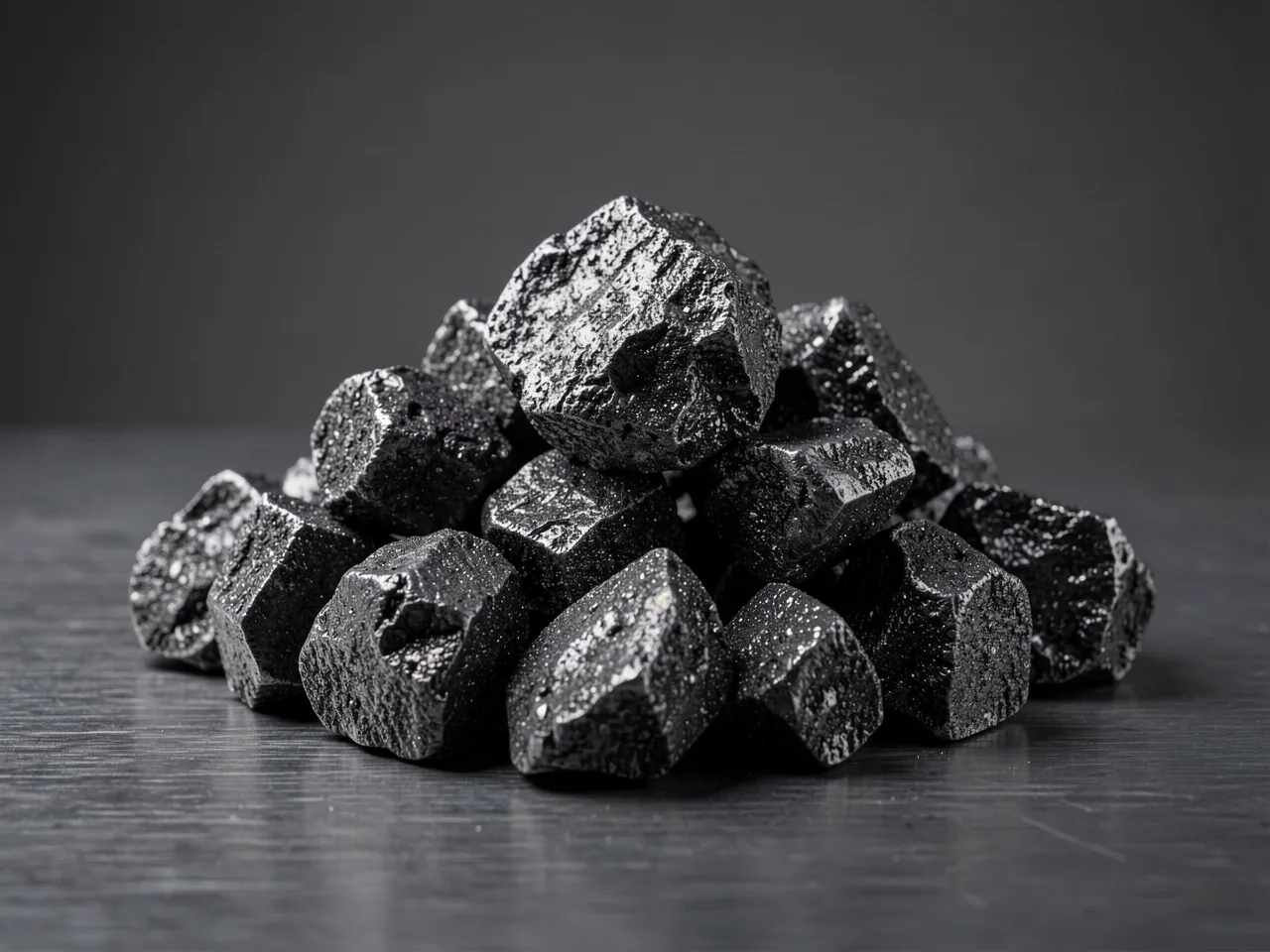
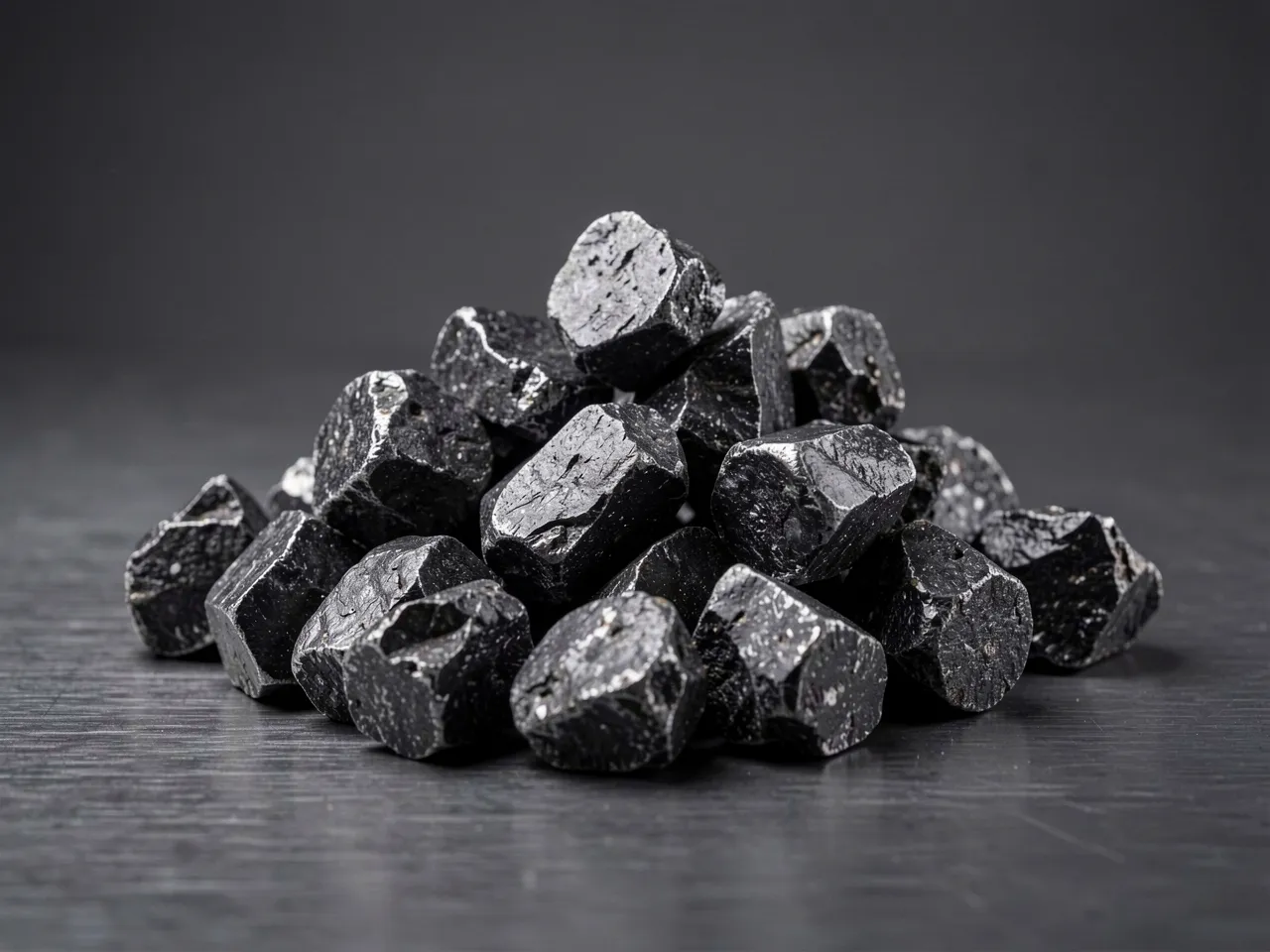
Ferromolibdeno

Ferromolibdeno

FeMoFerroleghe

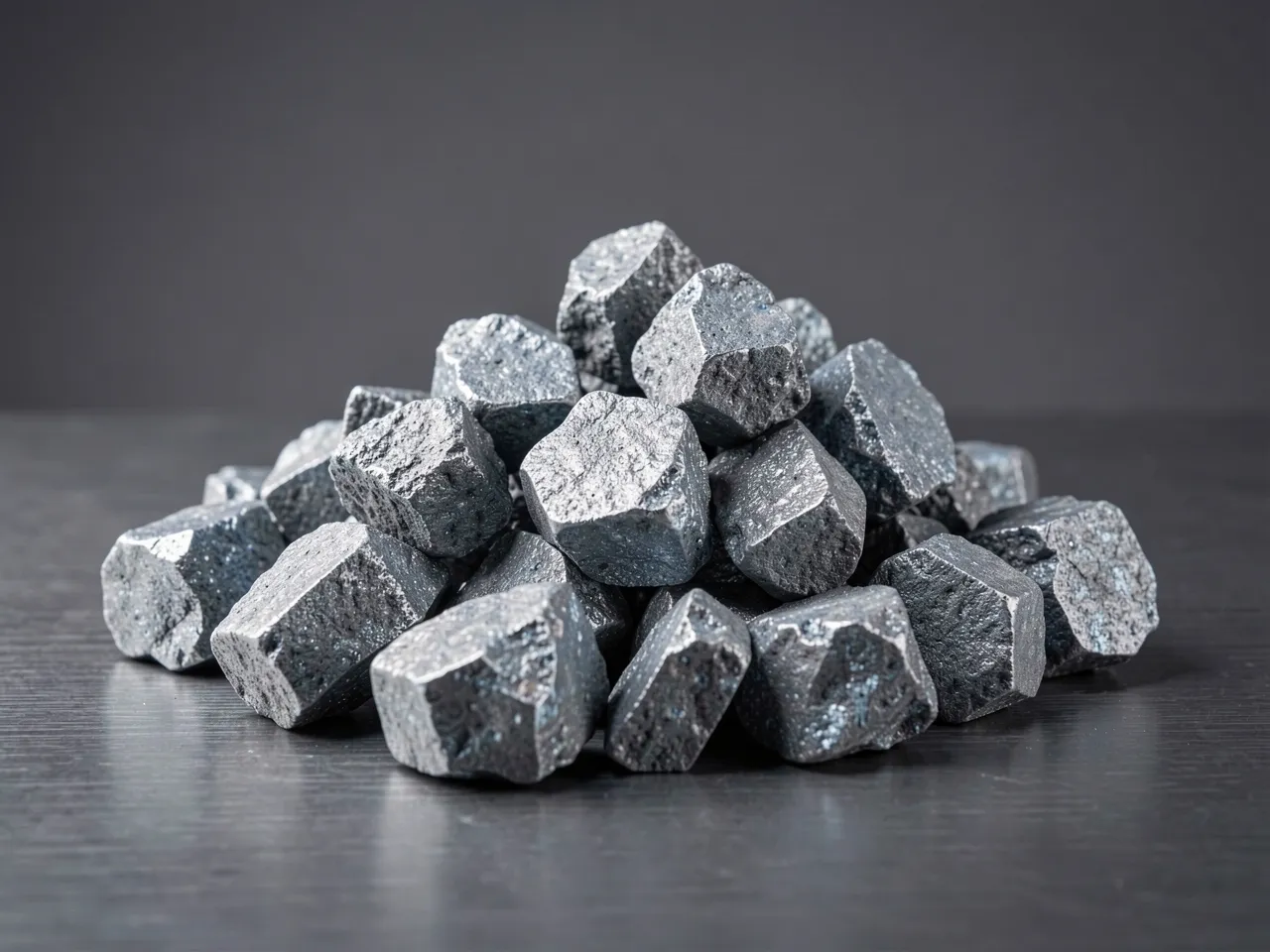
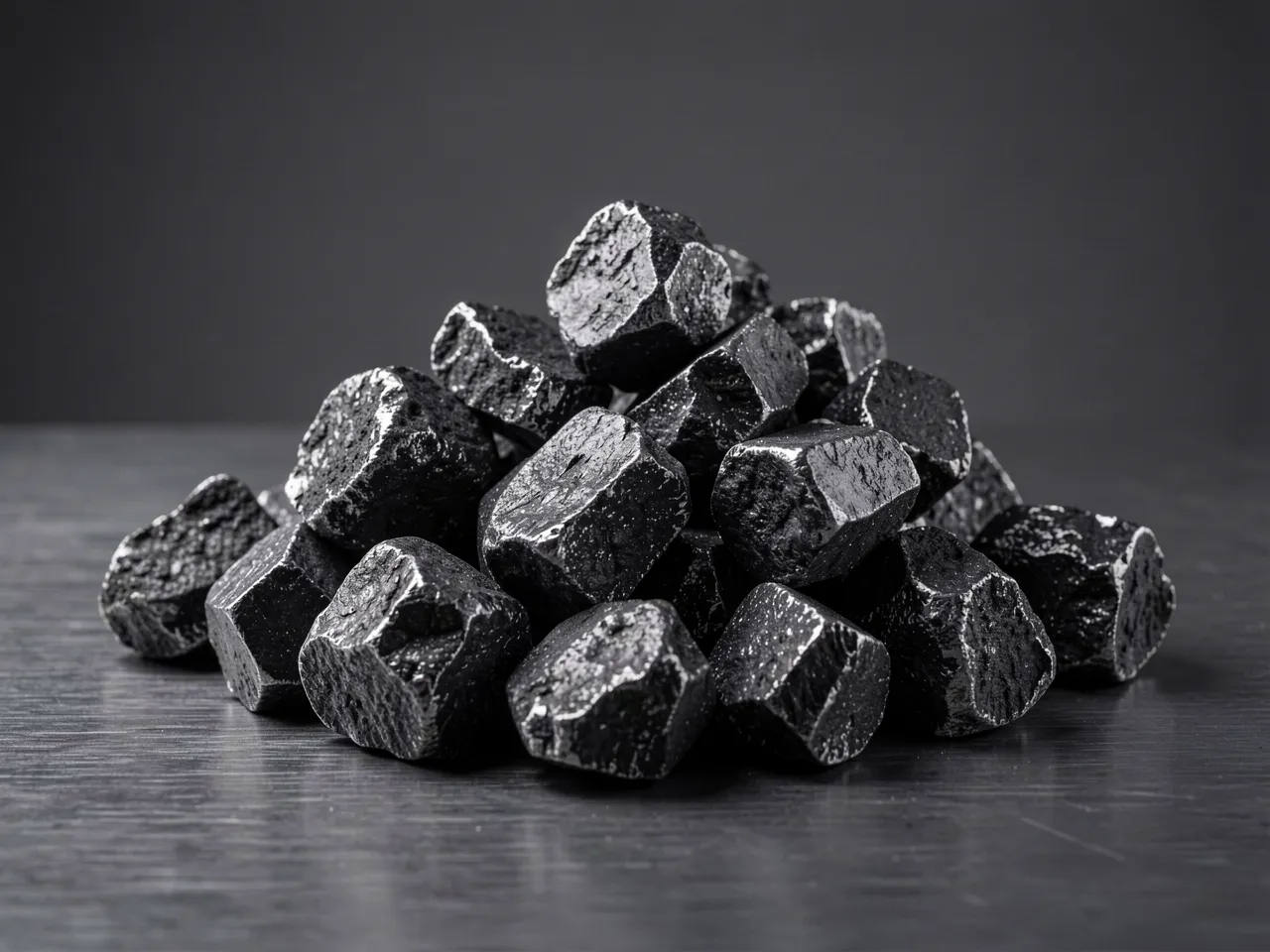
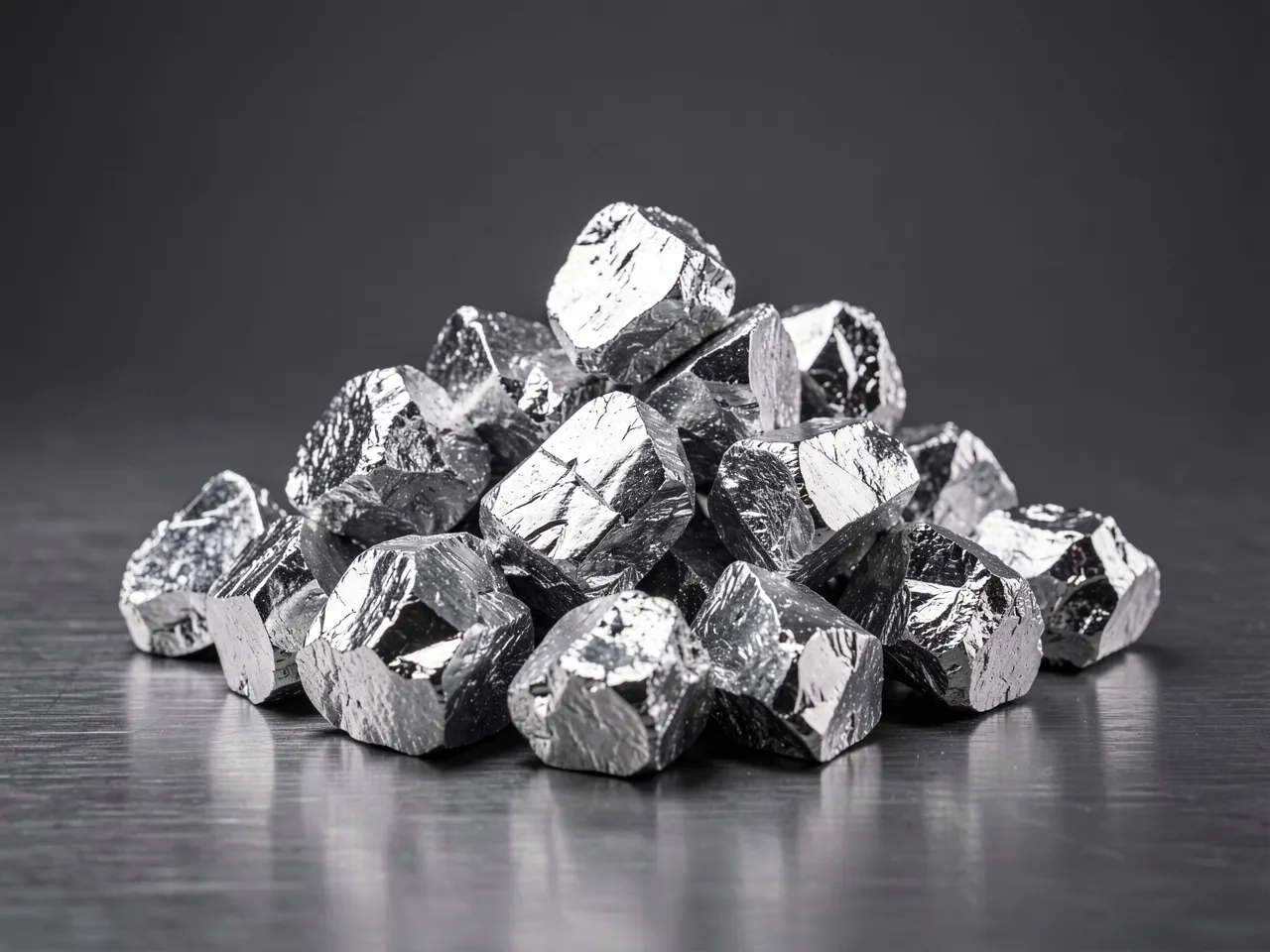
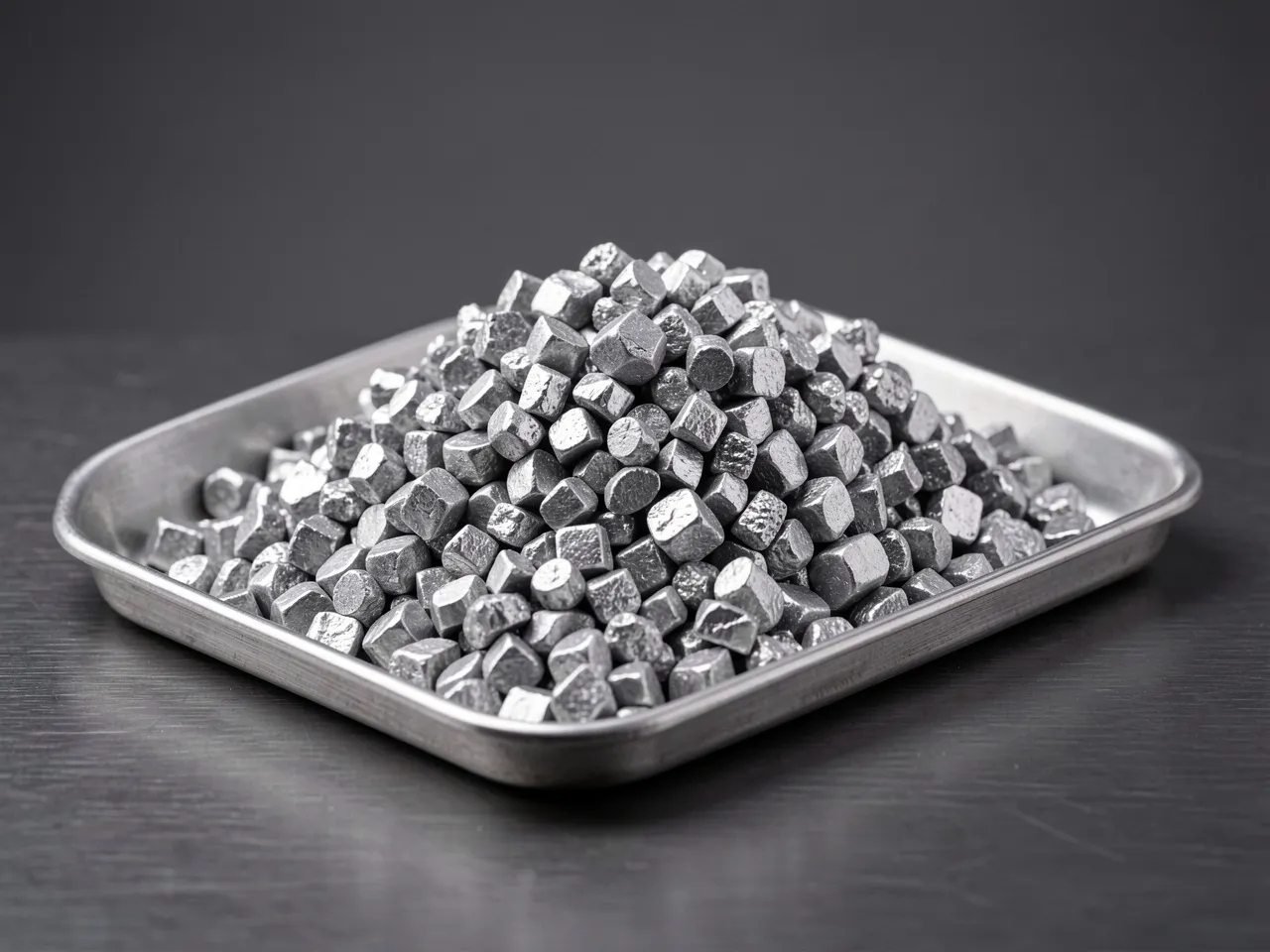
Ferro Molybdenum (FeMo) is a master alloy carrying Mo ≥ 60% that delivers molybdenum into steel melts without the oxidation losses of metallic Mo. Added to the ladle or EAF, it raises hardenability, high-temperature strength, and resistance to pitting and creep; in stainless and pipeline grades Mo stabilizes the passive film and counters chloride attack. Typical additions run roughly 0.1-0.5 wt% Mo for alloy and pipeline steels and up to ~2-4 wt% in tool and heat-resistant grades, dosed against the target Mo aim and recovery. The standard FeMo 60 grade holds C ≤ 0.10%, Si ≤ 1.0%, P ≤ 0.05%, S ≤ 0.10%, Cu ≤ 0.50%, sized 10-50 mm to ASTM A132 / ISO 5452; a low P/S FeMo 65-70 is available on request for cleaner-steel routes. Every lot ships with COA (EN 10204 3.1) and MTC, XRF/ICP verified at Mo ≥ 60%. Multi-regional sourcing supports CIF Marmara delivery and Gebze bonded stock, 20 MT FCL or 5 MT LCL lots. Send your target Mo%, grade, and tonnage for a current RFQ.

Specifiche tecniche

Mo≥ 60%C≤ 0.10%Si≤ 1.0%P≤ 0.05%

Applicazioni

Alloy steelStainless steelTool steel
Dettagli
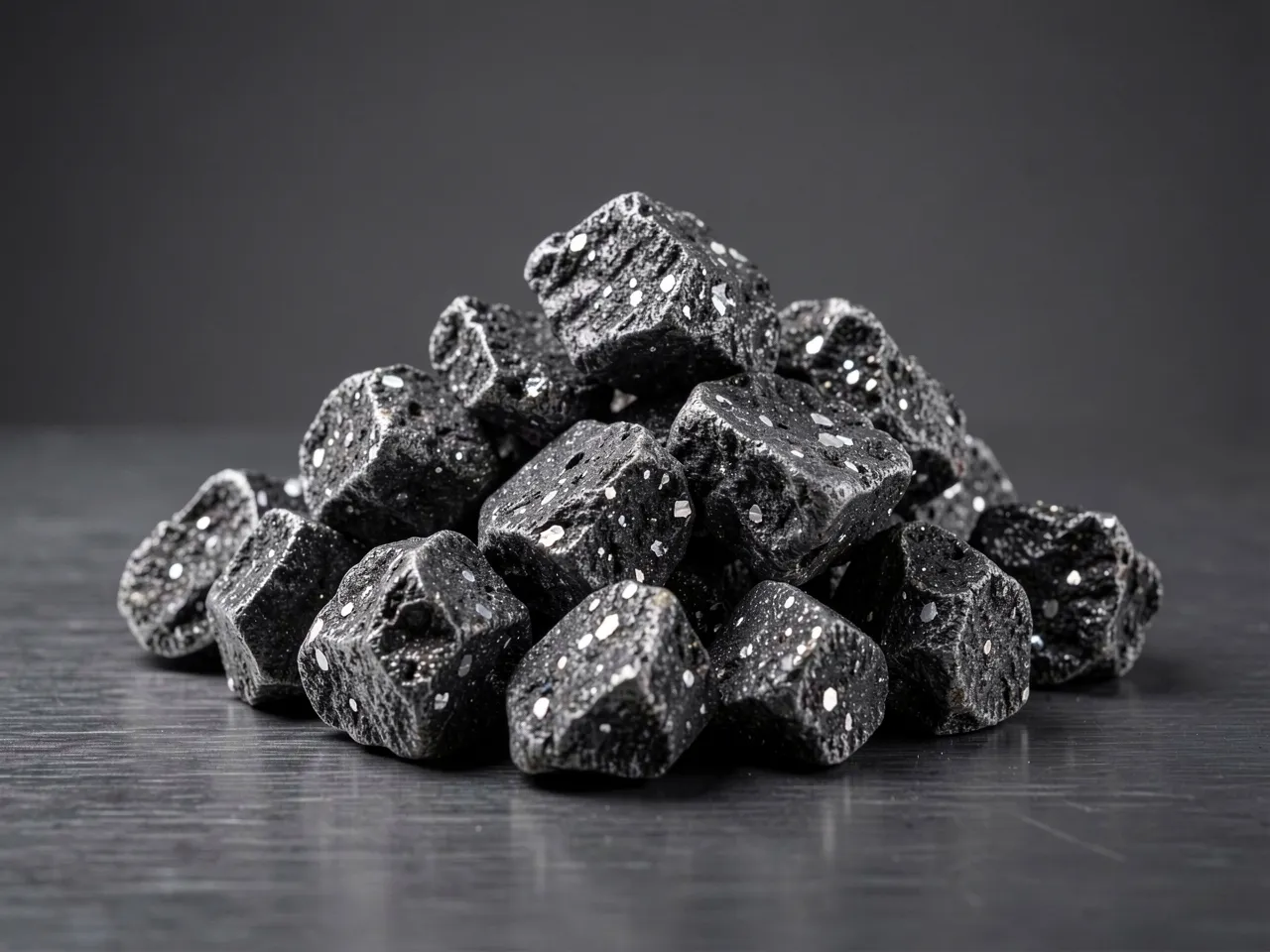
Ferrosilicio

Ferrosilicio

FeSiFerroleghe

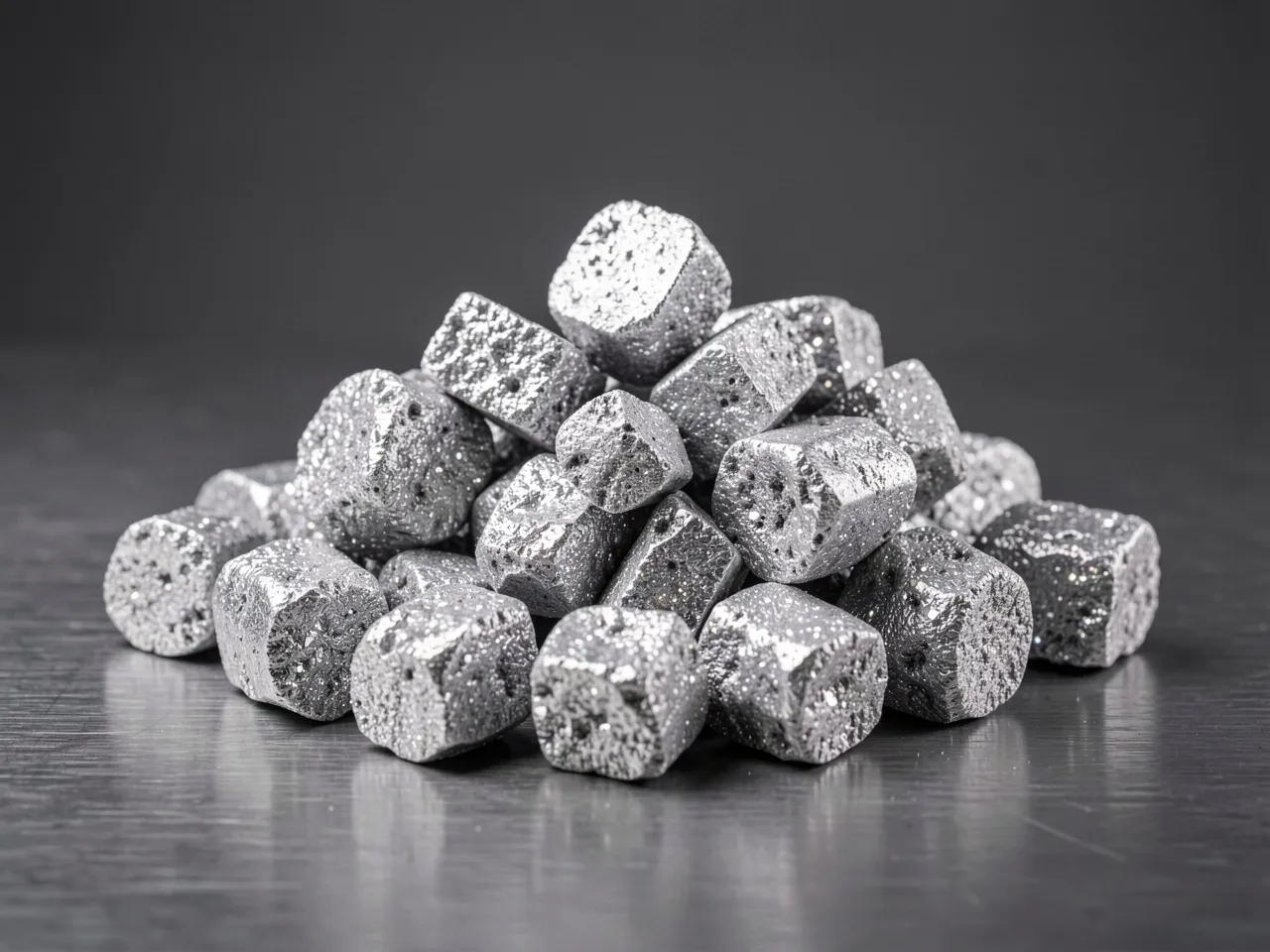
Ferro Silicon (FeSi) is an iron-silicon master alloy used to control oxygen and adjust silicon content in molten steel and cast iron. As a deoxidizer, its silicon reacts with dissolved oxygen to form SiO2 that floats into the slag, raising cleanliness and improving yield of more reactive additions such as Mn and Al. In cast iron it shifts solidification toward graphite, countering chill and stabilizing the as-cast structure. This grade runs Si 72-78% (FeSi 75 basis) with Al ≤ 1.5%, C ≤ 0.10%, P ≤ 0.04%, and S ≤ 0.02% in 10-60 mm lumps. Typical use spans EAF and BF-BOF steel deoxidation, grey- and ductile-iron inoculation, silicon-steel production, and as feedstock for downstream ferroalloys. Deoxidation dosage commonly lands near 0.3-0.6 wt% for grey iron, adjusted to bath chemistry and oxygen activity. Tight C/P/S limits suit cleaner-steel routes; a 70-72 grade is available for grey-iron and inoculation work. Lots ship against COA (EN 10204 3.1) and MTC with XRF/ICP verification, conforming to ASTM A100 / ISO 5445, from multi-regional sourcing. Delivery options include CIF Marmara, Gebze bonded stock, and 20 MT FCL lots. Send your grade and tonnage for an RFQ.

Specifiche tecniche

Si72-78%Al≤ 1.5%C≤ 0.10%P≤ 0.04%

Applicazioni

Steel deoxidationCast iron inoculationFerroalloy production
Dettagli
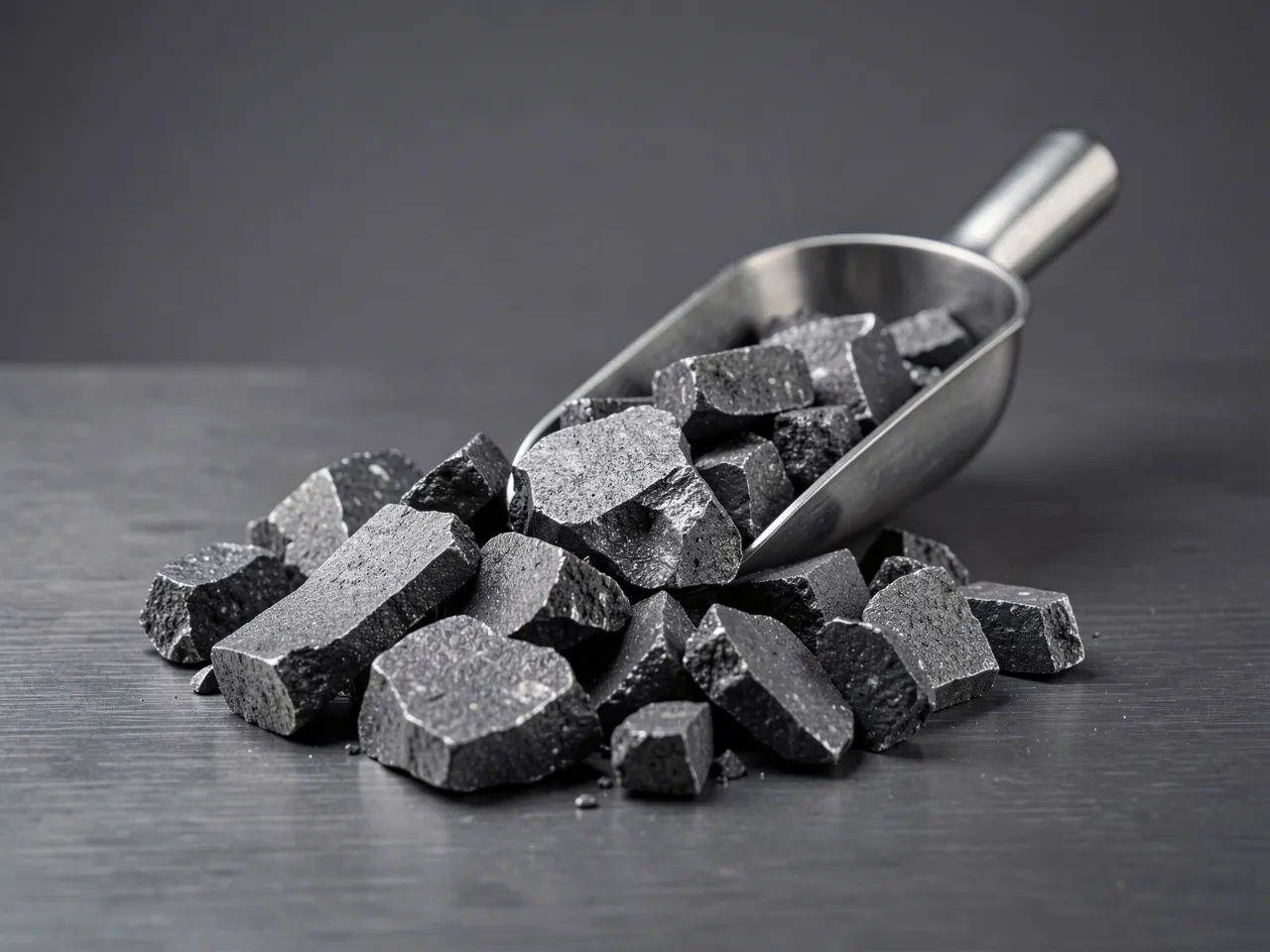
Silicio metallo 4-4-1

Silicio metallo 4-4-1

Si 4-4-1Prodotti al silicio

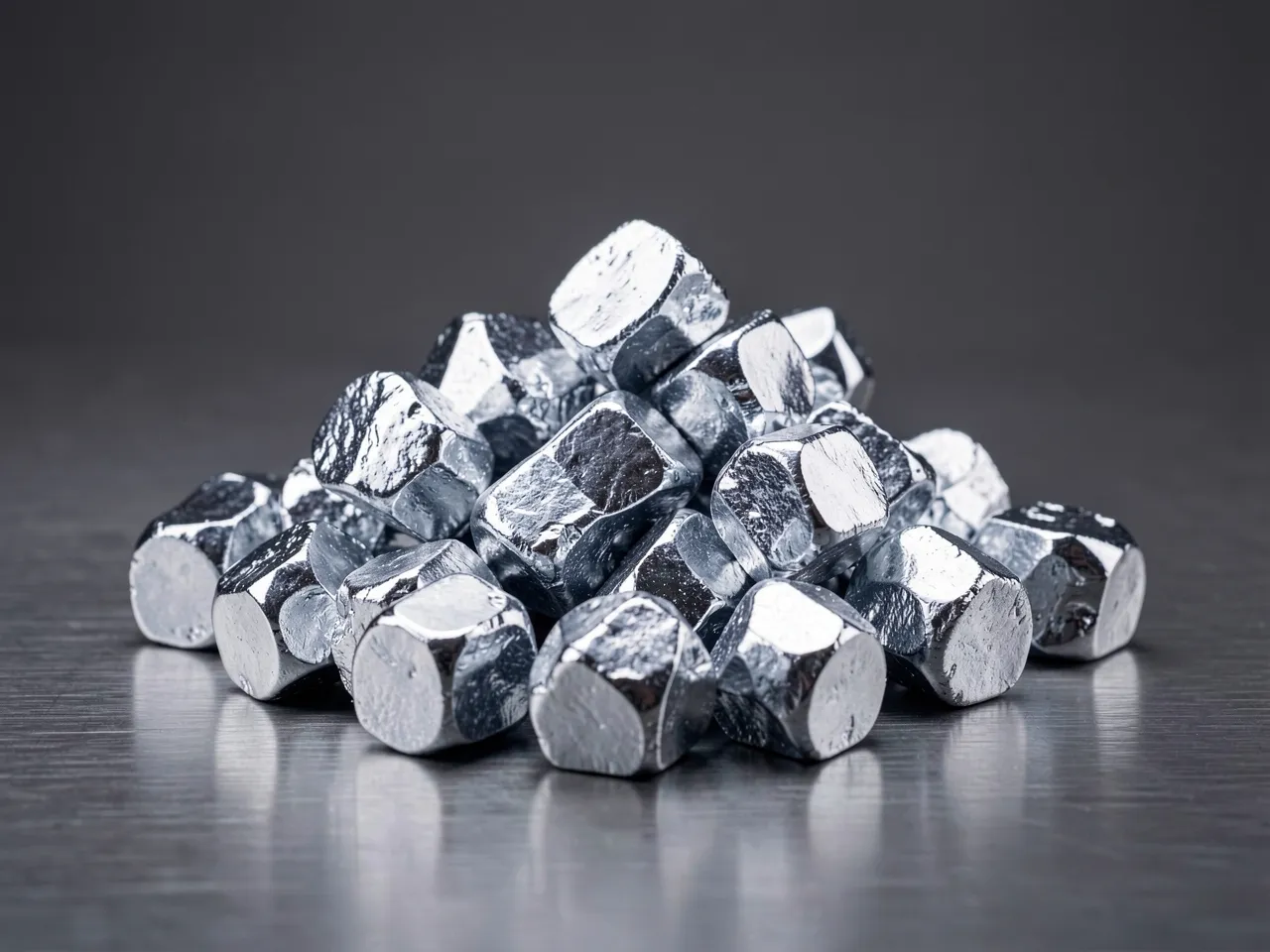
Silicon Metal 4-4-1 is a high-purity elemental silicon (Si ≥ 99%) with tightly controlled residuals — Fe ≤ 0.4%, Al ≤ 0.4%, Ca ≤ 0.1% — supplied in 10-100mm lump per the GB/T 2881 grade 441 basis. The "4-4-1" code reflects the maximum Fe/Al/Ca fractions, the three impurities that govern downstream behavior. In aluminum casting alloys, added silicon raises fluidity, narrows the freezing range, and improves castability and wear resistance; the low Fe and Ca keep intermetallics and gas/dross formation in check. In the silicones route, 441 feeds the direct (Rochow) process to chlorosilanes, where Fe and Al directly affect selectivity, and it serves as polysilicon feedstock. Typical aluminum alloy additions run roughly 1-13 wt% Si depending on the target alloy (hypoeutectic to eutectic). Every lot ships with COA (EN 10204 3.1) and MTC, XRF-verified for Fe/Al/Ca, under multi-regional sourcing with CIF Marmara delivery, Gebze bonded stock for fast pulls, and 20 MT FCL / 5 MT LCL lots. Send your grade and tonnage for a same-spec RFQ and quote.

Specifiche tecniche

Si≥ 99%Fe≤ 0.4%Al≤ 0.4%Ca≤ 0.1%

Applicazioni

Aluminum alloyChemical industrySilicone production
Dettagli
Silicio metallo 5-5-3

Silicio metallo 5-5-3

Si 5-5-3Prodotti al silicio

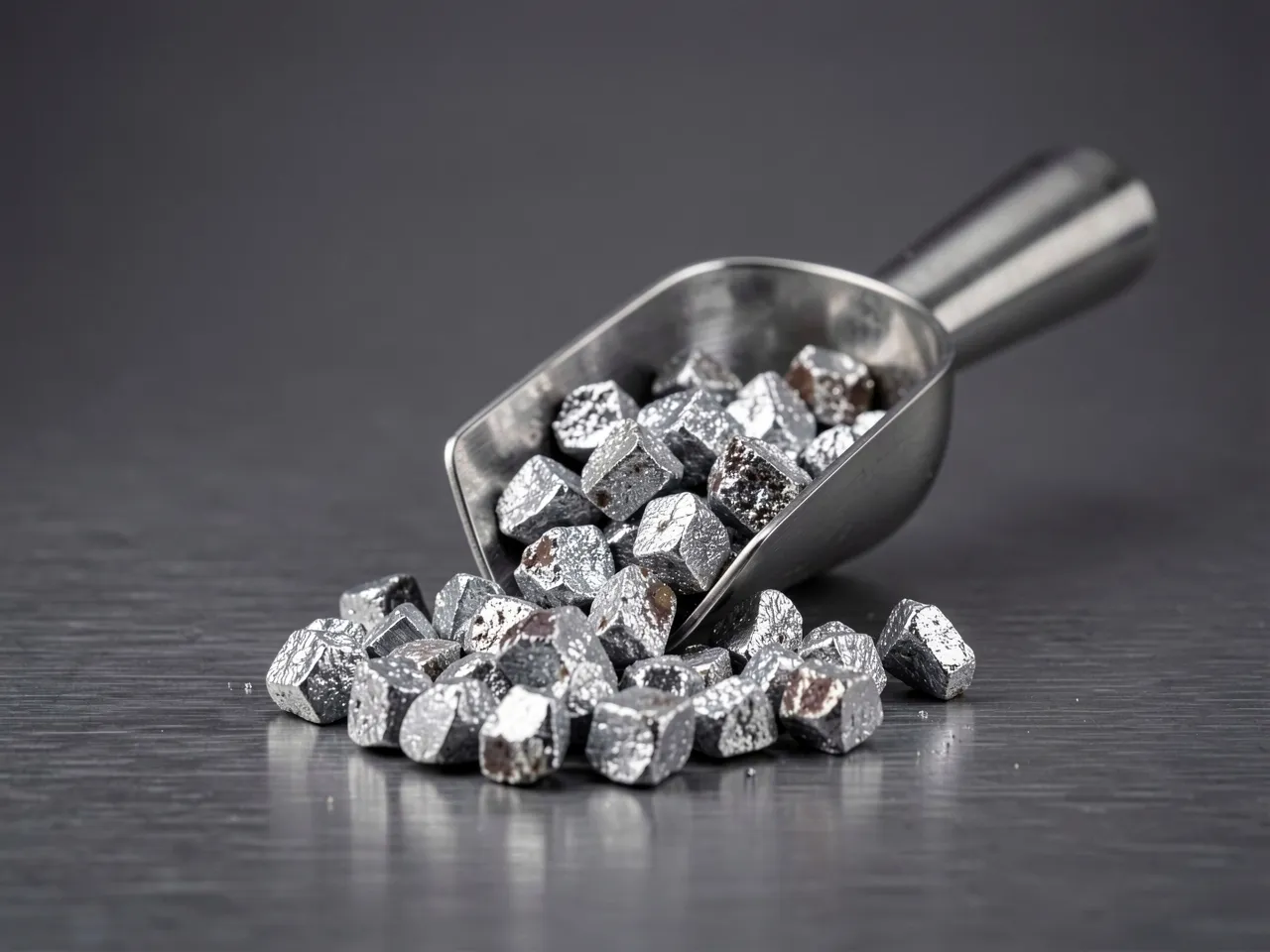
Silicon Metal 5-5-3 is a metallurgical-grade silicon designated by its maximum impurity decimals: Fe ≤ 0.5%, Al ≤ 0.5%, Ca ≤ 0.3%, with Si ≥ 98.5%, supplied in 10-100mm lump. In aluminum casting it raises the alloy's silicon content to improve fluidity and reduce shrinkage, since silicon shortens the freezing range and feeds thin sections cleanly. The controlled Fe and Ca ceilings keep brittle intermetallic phases and inclusion counts low in the final casting. Primary uses span aluminum alloy casting (Al-Si secondary and foundry alloys), refractory formulations, and general foundry charge make-up. Typical silicon additions to hit Al-Si targets run roughly 4-12 wt% of the melt depending on the alloy (e.g. A356, ADC12-class), dosed against the charge analysis. The 553 grade balances purity against cost where ultra-low Fe is not required; tighter-Fe grades exist when needed. Each lot ships with COA (EN 10204 3.1) and MTC, XRF-verified, under multi-regional sourcing — CIF Marmara or Gebze bonded stock, 20 MT FCL. Send your alloy target and tonnage for a graded RFQ.

Specifiche tecniche

Si≥ 98.5%Fe≤ 0.5%Al≤ 0.5%Ca≤ 0.3%

Applicazioni

Aluminum alloy castingRefractory materialsFoundry applications
Dettagli
GPC

GPC

GPCProdotti al carbonio

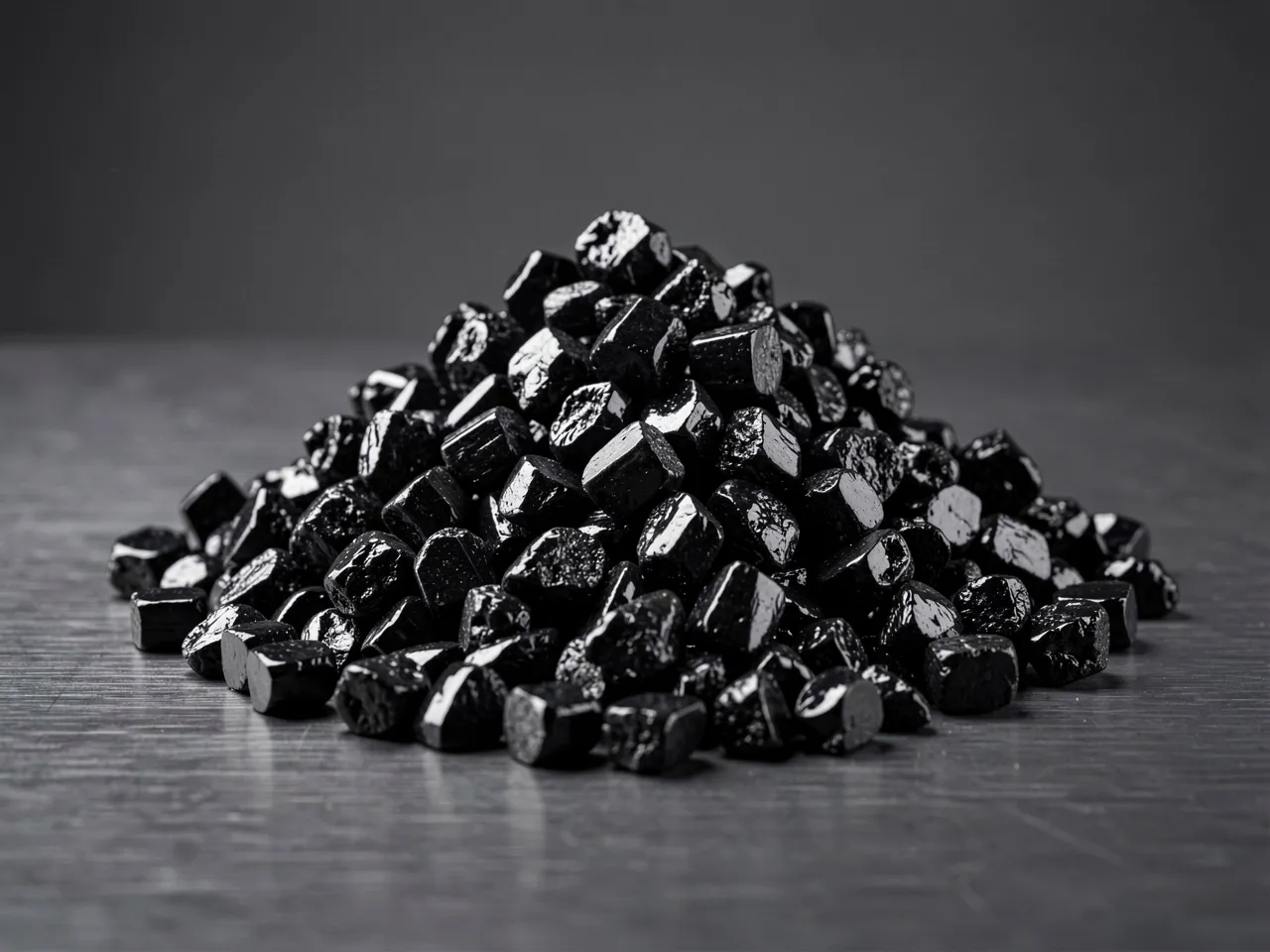
Graphitized Petroleum Coke (GPC) is a recarburizer produced by heat-treating petroleum coke at graphitization temperatures, which orders the carbon into a graphitic lattice. That structure gives fast, high-efficiency dissolution in molten iron and steel and minimal nitrogen pickup — useful where low-N carbon control matters. With F.C ≥ 98.5% and S ≤ 0.05%, GPC raises carbon without loading sulphur, supporting clean nodule formation in ductile iron and consistent matrix carbon in grey iron. It serves ductile and grey iron casting, steel carburization, and brake pad/friction material formulations. Typical recarburizer additions run roughly 0.3-2.0 wt% of charge, set by base carbon and target chemistry, with high recovery from the graphitic structure. The 1-5 mm sizing and ≤ 0.5% ash, V.M, and moisture suit ladle and in-furnace additions with stable yield. Each lot ships with COA and MTC; F.C, S, and ash are verified per shipment. Multi-regional sourcing supports CIF Marmara delivery and Gebze bonded stock in 20 MT FCL. Send your target grade and tonnage for an RFQ.

Specifiche tecniche

F.C≥ 98.5%S≤ 0.05%Ceneri≤ 0.5%V.M≤ 0.5%

Applicazioni

Ductile ironGrey ironSteel carburization
Dettagli
Carburo di silicio

Carburo di silicio

SiCProdotti al silicio

Silicon Carbide (SiC) is a covalently bonded ceramic compound that, in metallurgical grades, doubles as a combined deoxidizer, recarburizer, and silicon source for steel and cast iron. When charged to a melt, SiC dissociates so that its Si and C reduce dissolved oxygen and slag oxides (FeO, MnO), generating exothermic heat that stabilizes bath temperature and protects yield of Mn and other alloys. In EAF and induction practice it lowers FeSi and carbon consumption while improving slag foaming. Foundries use it for nucleation support in grey and ductile iron, sharpening graphite structure and machinability. Typical addition is roughly 0.3-1.5 wt% of charge, tuned to oxygen load and target chemistry. This grade runs SiC ≥ 90%, F.C ≤ 2.0%, and Fe₂O₃ ≤ 1.5%, supplied as 0-10 mm or 10-50 mm to match EAF charging versus ladle/inoculation needs. It also serves refractory and abrasive lines. Every lot ships with COA (EN 10204 3.1) and MTC, drawn from multi-regional sourcing with Gebze bonded stock (24-48h) and CIF Marmara delivery, 20 MT FCL. Send your grade and sizing for an RFQ.

Specifiche tecniche

SiC≥ 90%F.C≤ 2.0%Fe2O3≤ 1.5%Granulometria0-10mm / 10-50mm

Applicazioni

Steel deoxidationCast ironRefractory materials
Dettagli
Ferro silico manganese

Ferro silico manganese

FeSiMnFerroleghe

Ferro Silicon Manganese (FeSiMn) is a dual-function ladle and furnace addition that combines manganese alloying with silicon-driven deoxidation in a single charge. The Si fraction (14-22%) scavenges dissolved oxygen to form fluid manganese-silicate inclusions that float into the slag, while Mn (65-72%) raises hardenability and ties up sulphur, reducing FeMn and FeSi consumption per heat. Lower silica activity gives cleaner steel than separate FeMn plus FeSi additions. It is used in EAF and BF-BOF deoxidation, low- and high-Mn structural and manganese steels, alloy and welding-electrode production. Typical EAF dosage runs 0.5-1.2 wt% of the heat, adjusted to tap oxygen and target chemistry. This grade holds C ≤ 2.0%, P ≤ 0.20%, S ≤ 0.03% at 10-60 mm sizing, meeting ASTM A483 / ISO 5447 for consistent recovery. Each lot ships with COA and MTC, XRF/ICP-verified, on multi-regional sourcing with CIF Marmara delivery, Gebze bonded stock, and 20 MT FCL or 5 MT LCL lots. Send heat chemistry and tonnage for an RFQ.

Specifiche tecniche

Mn65-72%Si14-22%C≤ 2.0%P≤ 0.20%

Applicazioni

Steel deoxidationAlloy productionWelding materials
Dettagli
Ferrosilicio magnesio

Ferrosilicio magnesio

FeSiMgFerroleghe

Ferro Silicon Magnesium (FeSiMg) is a nodularizing alloy that converts the graphite in molten iron from flake to spheroidal form. Added to the ladle, its magnesium reacts with dissolved sulfur and oxygen, then the residual Mg nucleates compact graphite nodules, while the rare-earth fraction neutralizes trace subversive elements (Pb, Bi, Sb) and stabilizes nodule count. The result is ductile (nodular) iron with the tensile strength and elongation that grey iron cannot reach. It serves ductile iron production, in-ladle nodularization, and general cast iron modification across automotive, pipe, and machinery casting. Typical treatment additions run roughly 1.0-1.8 wt% of the metal charge, tuned to base sulfur, tapping temperature, and the sandwich or tundish-cover method used. This grade carries Si 44-48%, Mg 5-7%, RE 1-2%, Ca 1-3%, Al ≤1.0%, sized 5-25 mm for controlled dissolution and reduced Mg fade, on a GB/T 4138 nodulizer basis. Each lot ships with COA (EN 10204 3.1) and MTC, with Mg/RE verification and Mg-fade discipline. Multi-regional sourcing supports CIF delivery and Gebze bonded stock for fast replenishment, 20 MT FCL or 5 MT LCL. Send your base-iron analysis and target grade for an RFQ.

Specifiche tecniche

Si44-48%Mg5-7%RE1-2%Ca1-3%

Applicazioni

Ductile iron productionNodularizationCast iron modification
Dettagli
Ferromanganese HC

Ferromanganese HC

HC FeMnFerroleghe

High carbon ferro manganese (HC FeMn) is a primary manganese unit for steelmaking, used to deoxidize liquid steel and to alloy in manganese for strength and hardenability. Manganese has a higher affinity for oxygen and sulfur than iron, so HC FeMn pulls dissolved oxygen into the slag and ties up sulfur as MnS, countering hot-shortness during rolling. This grade carries Mn ≥ 65% with C ≤ 7.0%, Si ≤ 2.0%, P ≤ 0.30% and S ≤ 0.03%, sized 10-80mm for controlled dissolution in BF-BOF and EAF practice. The 65% Mn floor and capped P suit construction and structural steels, alloy steel, and ladle desulfurization where carbon pickup is acceptable. Typical additions run about 0.3-0.8 wt% of the heat, adjusted to target Mn recovery and residual limits. Conformance is verified by XRF/ICP against ASTM A99 / ISO 5446, with COA and MTC supplied per lot. Multi-regional sourcing supports CIF Marmara delivery and Gebze bonded stock, in 20 MT FCL lots. Send heat size and target Mn for a graded RFQ.

Specifiche tecniche

Mn≥ 65%C≤ 7.0%Si≤ 2.0%P≤ 0.30%

Applicazioni

SteelmakingDesulfurizationAlloy steel production
Dettagli
Ferrocromo HC

Ferrocromo HC

HC FeCrFerroleghe

Il ferrocromo ad alto tenore di carbonio (HC FeCr) è il principale vettore di cromo per la produzione di acciaio inossidabile e degli acciai legati al cromo. Introduce Cr ≥ 60% (tipicamente 60-65%) nel bagno a costo inferiore rispetto ai gradi raffinati, con carbonio a C ≤ 8,0% che agisce come riducente integrato a supporto del recupero nella pratica di EAF e convertitore. Il cromo aumenta la resistenza alla corrosione, la temprabilità e la resistenza alle alte temperature; il carbonio viene poi corretto tramite decarburazione AOD/VOD, per cui l'HC FeCr si colloca nella fase di apporto massivo di Cr della via. Fonderie e acciaierie lo impiegano per acciai inossidabili delle serie 300/400, acciai legati e per utensili, leghe madri al cromo ed elettrodi di saldatura rivestiti. L'aggiunta di lega HC FeCr si attesta comunemente intorno al 20-25% in peso di una carica tipo 304, regolata in base alla chimica del rottame e al Cr target. La pezzatura in blocchi da 10-100mm si adatta alla carica del forno e alla dissoluzione nel bagno, mentre P ≤ 0,04% e S ≤ 0,05% proteggono saldabilità e duttilità. Ogni lotto viene spedito con COA e MTC secondo ASTM A101 / ISO 5448, verificato XRF/ICP, tramite approvvigionamento multi-regionale — CIF Marmara o stock in deposito doganale a Gebze, FCL da 20 MT. Inviate Cr target, tetto di C e pezzatura per una RFQ dello stesso grado.

Specifiche tecniche

Cr≥ 60%C≤ 8.0%Si≤ 3.0%P≤ 0.04%

Applicazioni

Stainless steelAlloy steelChromium compounds
Dettagli
Nitrato di rame(II) triidrato

Nitrato di rame(II) triidrato

Cu(NO₃)₂·3H₂OSali inorganici

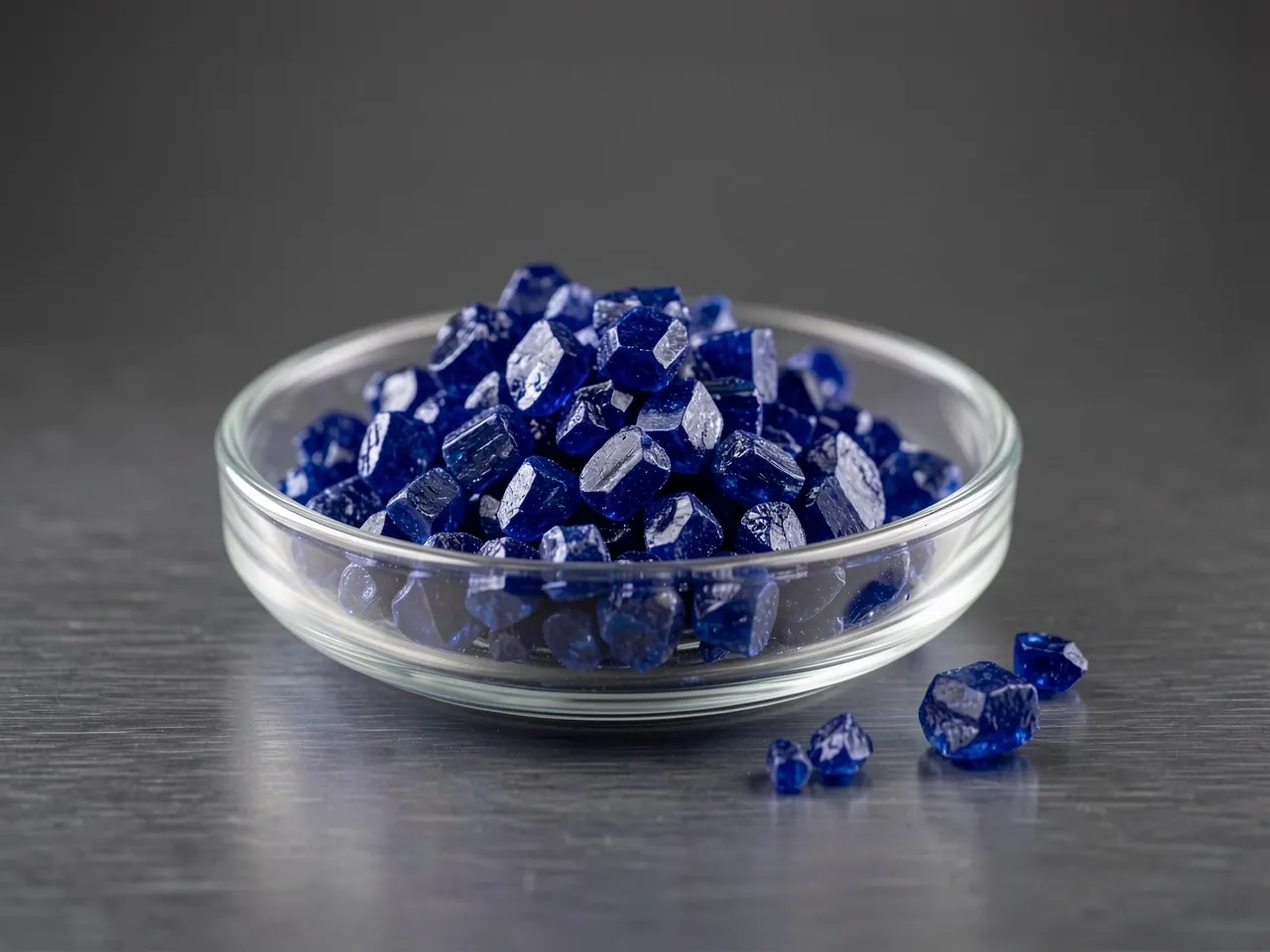
Copper(II) nitrate trihydrate (Cu(NO3)2.3H2O, CAS 10031-43-3) is a hygroscopic blue-green crystalline copper salt, freely soluble in water and lower alcohols. In solution it dissociates into Cu2+ and NO3- ions: the nitrate behaves as a mild oxidizer while the Cu2+ can be reduced to metallic copper, calcined to copper oxide, or precipitated as a basic carbonate depending on the redox and pH path. Being halide-free, it suits processes where chloride contamination would poison a catalyst or plating bath. Primary uses: catalyst and supported-catalyst precursor (impregnation onto alumina or zeolite carriers), electroless and immersion copper surface-coating chemistry, CuO and Cu2O routes for ceramics and pigments, and laboratory/R&D synthesis. In bath formulation it is dosed to a target Cu2+ concentration rather than a fixed wt%, commonly a few to tens of g/L. Grade: Cu >=14% min, with Cl, Fe, Pb, Al, S and Si each <=10 ppm and Na/Mg <=20 ppm, verified by ICP-MS (Pb <=10 ppm, semiconductor-adjacent threshold). COA, MSDS and SDS per lot; FPC + CP on request. Multi-regional sourcing, CIF Marmara or Gebze bonded stock, ~20 MT FCL with smaller lots on request. Send your target Cu2+ spec and lot size for a COA-backed RFQ.

Specifiche tecniche

Cu≥ 14% minCl≤ 10 ppmFe≤ 10 ppmPb≤ 10 ppm

Applicazioni

Catalyst precursorHigh-purity industrial useSurface coating chemistry
Dettagli
Nitrato di nichel(II) esaidrato

Nitrato di nichel(II) esaidrato

Ni(NO₃)₂·6H₂OSali inorganici

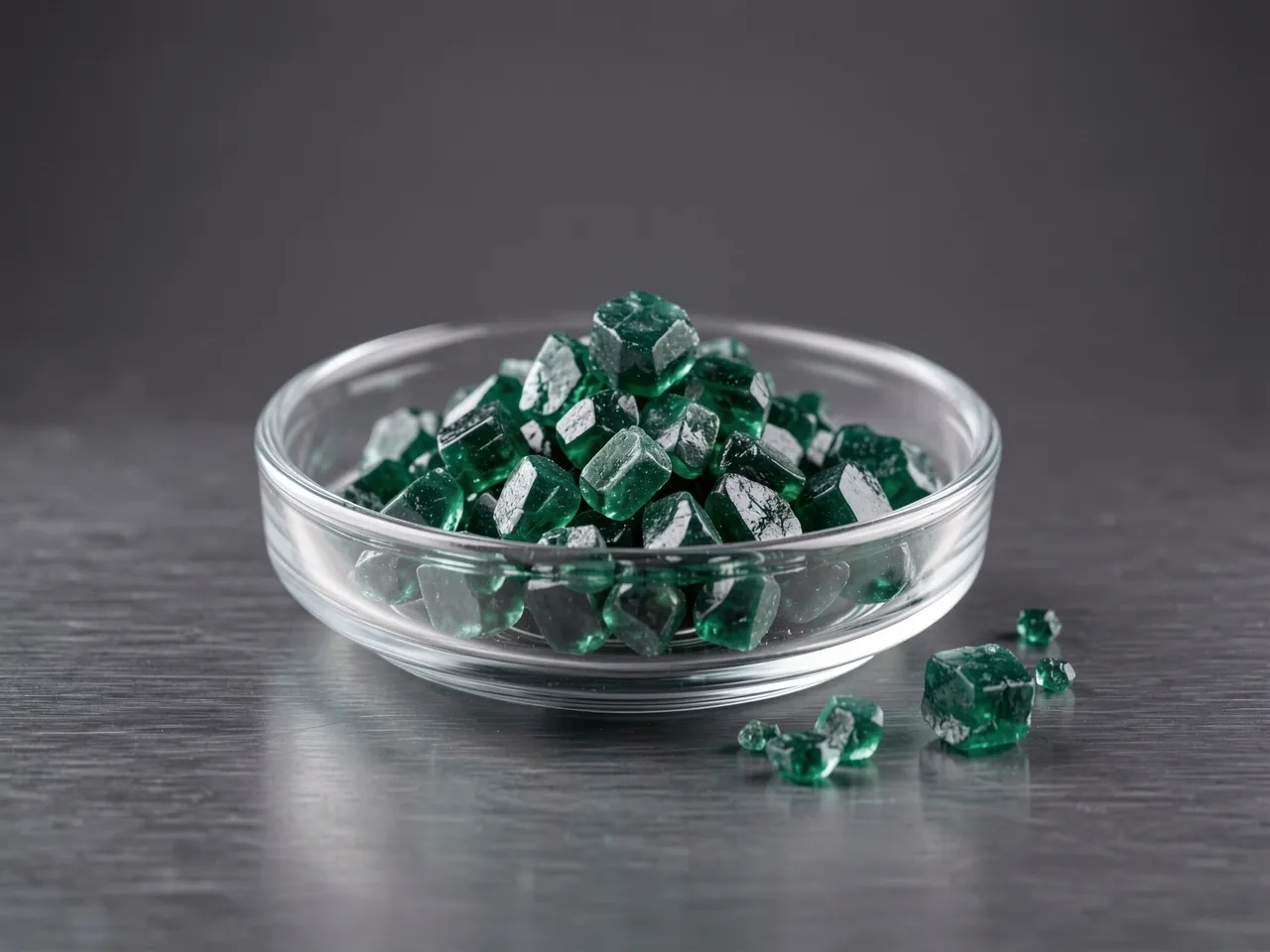
Nickel(II) nitrate hexahydrate, Ni(NO₃)₂·6H₂O (CAS 13478-00-7, 290.81 g/mol), is a green crystalline soluble nickel salt that dissolves to a Ni²⁺ feed stream with controlled acidity (pH 2-4 at D=1.35, 1-3 at D=1.50). Clean dissolution and the absence of chloride make it the working nickel source where downstream chemistry cannot tolerate halide contamination. In lithium-ion cathode production it is co-precipitated with cobalt and manganese sulfates/nitrates to build NMC hydroxide precursors, so trace Fe, Pb, Na, Cl and Si degrade precursor quality and carry through to cell performance. It also serves as a catalyst precursor and as the nickel salt in decorative and technical electroplating baths, where electrolyte makeup typically runs tens of g/L of dissolved nickel, adjusted to the bath. This grade is held to Ni ≥ 20%, Pb ≤ 10 ppm, Cl/Fe/Na/Mg/S/Si ≤ 50 ppm, Al/Ca ≤ 100 ppm — a battery-precursor-adjacent window verified by ICP-MS. Sourced multi-regionally, every lot ships with COA and MSDS/SDS, CIF Marmara or ex Gebze bonded stock, at container scale (~20 MT FCL) with smaller lots on request.

Specifiche tecniche

Ni≥ 20% minCl≤ 50 ppmFe≤ 50 ppmPb≤ 10 ppm

Applicazioni

NMC cathode precursor (battery)High-purity catalystNickel plating (decorative + technical)
Dettagli
Inoculante da fonderia (FeSiBa)NUOVO

Inoculante da fonderia (FeSiBa)

FeSiBaFerroleghe

Foundry inoculant (FeSiBa) is a barium-bearing ferrosilicon added to molten grey and ductile iron just before or during pouring. The Si carrier and 1-3% Ba seed silicate-oxide nuclei in the melt, giving graphite a preferred site to precipitate as the iron solidifies. This suppresses undercooling, cuts the chill (white iron) tendency at thin sections and edges, and refines graphite morphology toward a fine, evenly distributed Type A flake in grey iron or a higher nodule count in ductile iron. The 1-2% Ca and ≤1.5% Al support deoxidation and keep nucleation active longer, reducing fade in held or transferred metal. Used for grey iron inoculation, ductile iron inoculation, chill reduction and graphite refinement across automotive and machinery ductile-iron foundries and general jobbing shops. Typical late/ladle addition runs about 0.1-0.5 wt% (1-5 kg/t); finer 0.2-0.7 mm sizing suits in-stream or in-mould dosing, while 1-3 mm fits ladle treatment. Supplied with COA and MTC against ISO/ASTM practice, multi-regional sourcing, CIF Marmara or Gebze bonded stock, 20 MT FCL. Send grade, size and tonnage for an RFQ.

Specifiche tecniche

Si60-70%Ba1-3%Ca1-2%Al≤ 1.5%

Applicazioni

Grey iron inoculationDuctile iron inoculationChill reduction
Dettagli
Filo animato al siliciuro di calcioNUOVO

Filo animato al siliciuro di calcio

CaSi WireFerroleghe

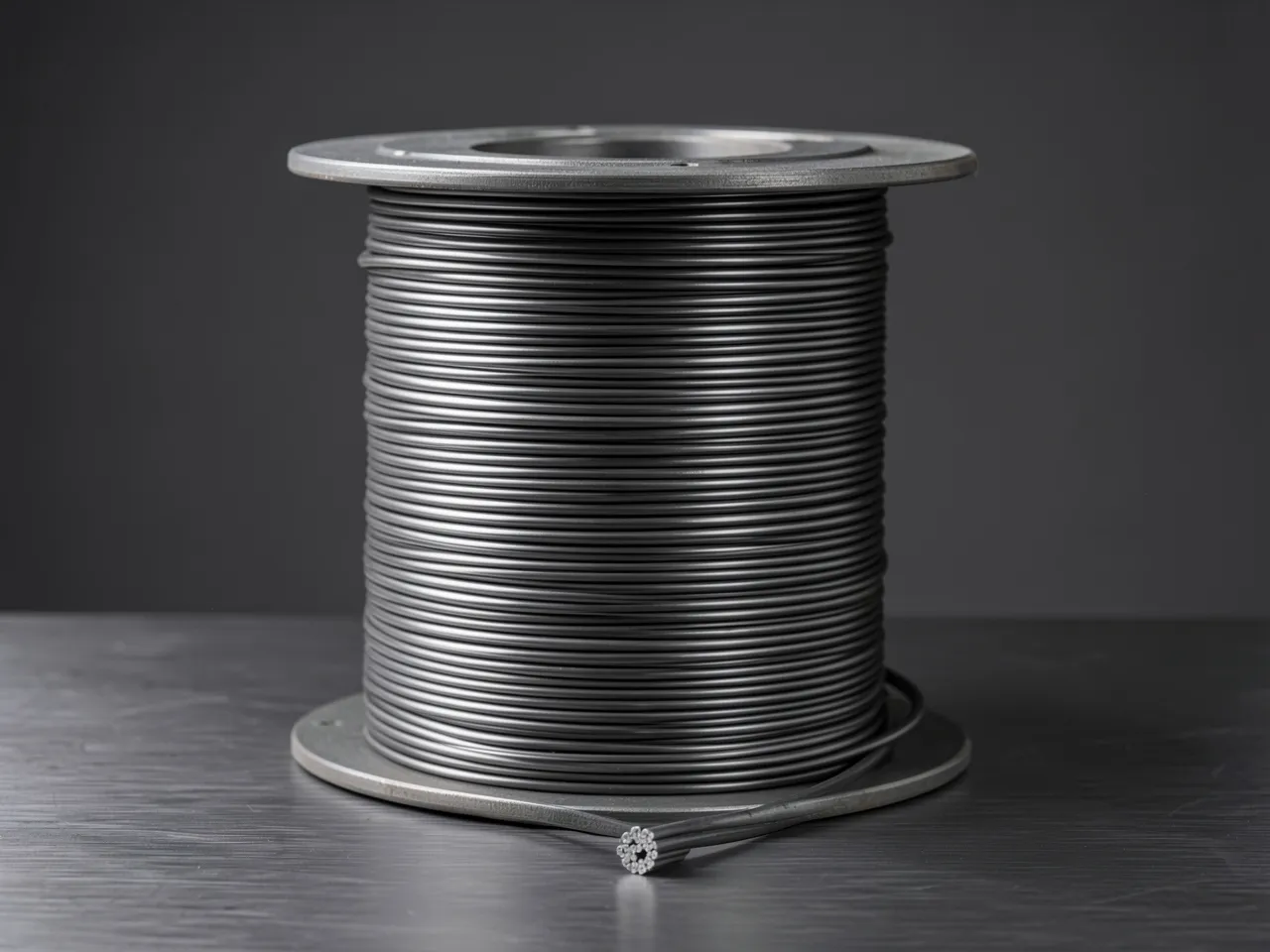
Calcium silicide cored wire is a steel-sheathed wire packed with CaSi powder (Ca 28-32%, Si 55-65%) fed into the ladle for secondary metallurgy. The steel sheath shields the reactive calcium until it reaches bath depth, where higher ferrostatic pressure and controlled feed rate raise calcium recovery well above lump or shot additions made at the surface. Dissolved Ca converts hard, angular alumina (Al2O3) and silica inclusions into low-melting, globular calcium aluminates, preventing nozzle clogging during continuous casting and improving transverse toughness and machinability. This makes it standard practice for Al-killed and Si-killed steels at EAF mills and steel foundries casting clean, calcium-treated grades. Typical addition runs roughly 0.5-2.0 kg Ca per tonne, tuned by feeder speed to the target Ca/S ratio and inclusion chemistry. The 13 mm wire (powder fill ≈ 230 g/m, C ≤ 1.0%, Al ≤ 2.0%) gives consistent fill for repeatable deep-bath release. Each lot ships with COA and MTC under multi-regional sourcing, CIF Marmara or ex Gebze bonded stock, 20 MT FCL. Send your grade and Ca/S target for an RFQ.

Specifiche tecniche

Ca28-32%Si55-65%C≤ 1.0%Al≤ 2.0%

Applicazioni

Ladle calcium treatmentInclusion modificationSecondary steelmaking
Dettagli
Ricarburante (coke di petrolio calcinato)NUOVO

Ricarburante (coke di petrolio calcinato)

CPCProdotti al carbonio

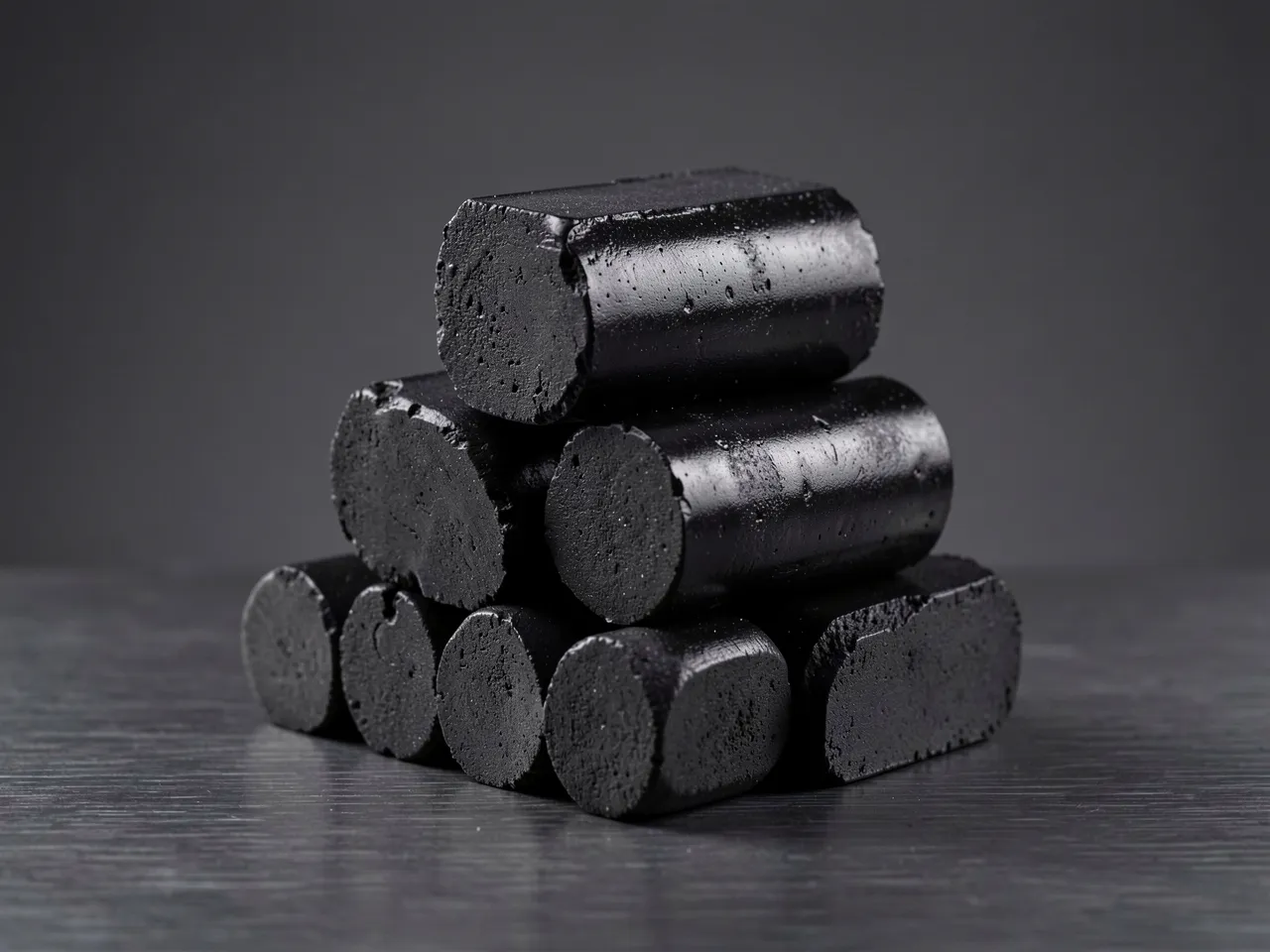
Calcined Petroleum Coke (CPC) is a carbon raiser used to set and correct carbon content in molten iron and steel. Calcination drives off volatiles and orders the carbon structure, yielding a dense material with ≥ 98.5% fixed carbon, ≤ 0.5% S, ≤ 0.5% ash and ≤ 0.7% V.M. Dissolved in the melt, that carbon raises the C level and feeds graphite nucleation, which governs strength and machinability in cast iron. Foundries pouring grey and ductile iron use it for carbon adjustment heat after heat, and EAF mills recarburize the charge and run it as part of slag-foaming carbon practice. Typical additions run roughly 0.5-2.0 wt% in cast iron, with charge-level dosing in steelmaking, tuned to bath temperature and target C. The 1-5 mm sizing supports steady dissolution and high recovery with low fume. Low sulphur protects nodularity in ductile grades and limits desulphurization load. Each lot ships with COA. Multi-regional sourcing supports CIF Marmara delivery and Gebze bonded stock, 20 MT FCL. Send your grade and tonnage for an RFQ.

Specifiche tecniche

F.C≥ 98.5%S≤ 0.5%Ceneri≤ 0.5%V.M≤ 0.7%

Applicazioni

Cast iron carburizationGrey & ductile ironEAF steelmaking
Dettagli
FerrovanadioNUOVO

Ferrovanadio

FeVFerroleghe

Ferro Vanadium (FeV) is a master alloy that delivers vanadium to liquid steel for micro-alloying. Even at low addition, vanadium forms fine V(C,N) carbonitrides that precipitate during cooling and pin austenite grain boundaries, refining grain size while raising yield strength, toughness and wear resistance without a separate heat treatment. This grade carries V at 78-82% with C held to 0.30% max, P 0.06% max and S 0.05% max, suiting clean-steel chemistries where residuals must stay tight. Si is capped at 2.0% and Al at 1.5%, with 10-50mm sizing for controlled dissolution and stable recovery in ladle or EAF practice. Typical additions run 0.05-0.20 wt% V depending on target strength, common across HSLA structural plate, micro-alloyed rebar, spring steels and tool steels; FeV is also a feedstock for long-duration vanadium-flow energy storage. Every lot ships with COA and MTC. Multi-regional sourcing covers CIF Marmara delivery in 20 MT FCL or 5 MT LCL lots. Send your grade, tonnage and delivery terms for a current RFQ.

Specifiche tecniche

V78-82%Si≤ 2.0%Al≤ 1.5%C≤ 0.30%

Applicazioni

HSLA steelRebar micro-alloyingSpring steel
Dettagli
FerrotitanioNUOVO

Ferrotitanio

FeTiFerroleghe

Ferro Titanium (FeTi70, DIN 17566 reference) is a master alloy carrying 65-70% Ti into liquid steel, where titanium's strong affinity for carbon, nitrogen and oxygen drives stabilization, deoxidation and grain refinement. In austenitic stainless grades it ties up free carbon as TiC, suppressing chromium-carbide precipitation at grain boundaries and the intergranular corrosion (sensitization) that follows welding. In interstitial-free (IF) and structural steels, TiN and TiC scavenge N and C from solid solution, sharpening deep-drawability and yield control; the fine nitrides also pin austenite grains for refinement. Typical additions run roughly 0.1-0.5 wt% depending on C+N to stabilize and the target Ti residual, with recovery sensitive to deoxidation practice and addition timing. Low Al (≤2.0%), Si (≤0.20%) and C (≤0.20%), with P ≤0.04% and S ≤0.03%, keep residuals predictable; 10-50mm lump suits ladle and EAF feeding. Each lot ships with COA and MTC. Multi-regional sourcing supports CIF Marmara delivery and Gebze bonded stock in FCL or LCL lots. Send your grade and tonnage for an RFQ.

Specifiche tecniche

Ti65-70%Al≤ 2.0%Si≤ 0.20%Mn≤ 1.0%

Applicazioni

Stainless steel stabilizationIF / structural steelGrain refinement
Dettagli
FerroboroNUOVO

Ferroboro

FeBFerroleghe

Cleaned EN description for ferro-boron-feb. Specs verified against data.ts (B 17-20%, C ≤0.5%, Si ≤2.0%, Al ≤0.5%, S ≤0.01%, P ≤0.10%, 10-50mm) — exact match, no spec error. No origin leak, no customer name, no fabricated price/cert#/founding-year/customer-count, no banned anti-AI clichés. Only fix applied: the redundant/salesy closing "for a current RFQ quote" (RFQ already = request for quote) was tightened to "Send grade, addition rate and required quantity for an RFQ." Length ~165 words, within 150-200.

Specifiche tecniche

B17-20%C≤ 0.5%Si≤ 2.0%Al≤ 0.5%

Applicazioni

Boron steel (hardenability)Amorphous / soft-magnetic alloysNdFeB magnet production
Dettagli
FerroniobioNUOVO

Ferroniobio

FeNbFerroleghe

Ferro niobium (FeNb65, ASTM A550 reference) is the standard carrier alloy for introducing niobium into liquid steel. Once dissolved, Nb forms fine niobium carbonitrides (Nb(C,N)) that pin austenite grain boundaries during hot rolling, restricting recrystallization and delivering grain refinement plus precipitation strengthening. The result is a measurable rise in yield strength, toughness and weldability at additions an order of magnitude lower than conventional alloying. This makes FeNb a primary micro-alloying addition for HSLA structural grades, API line-pipe steels (X60-X80) and lightweight automotive sheet, and for stabilizing stainless grades against intergranular corrosion. Typical additions fall in the 0.01-0.10 wt% Nb range, so a single charge treats large heats economically. Specification: Nb 63-68%, with C ≤0.15%, P ≤0.15%, S ≤0.05%, Si and Al ≤2.0% each, Ta ≤0.50%, sized 10-50 mm for controlled dissolution and minimal fade. Every lot ships with COA and MTC. Multi-regional sourcing supports CIF Marmara delivery and Gebze bonded stock, 20 MT FCL or smaller LCL lots. Send your grade and tonnage for a FeNb RFQ.

Specifiche tecniche

Nb63-68%Al≤ 2.0%Si≤ 2.0%C≤ 0.15%

Applicazioni

HSLA steelPipeline (API) steelAutomotive steel
Dettagli
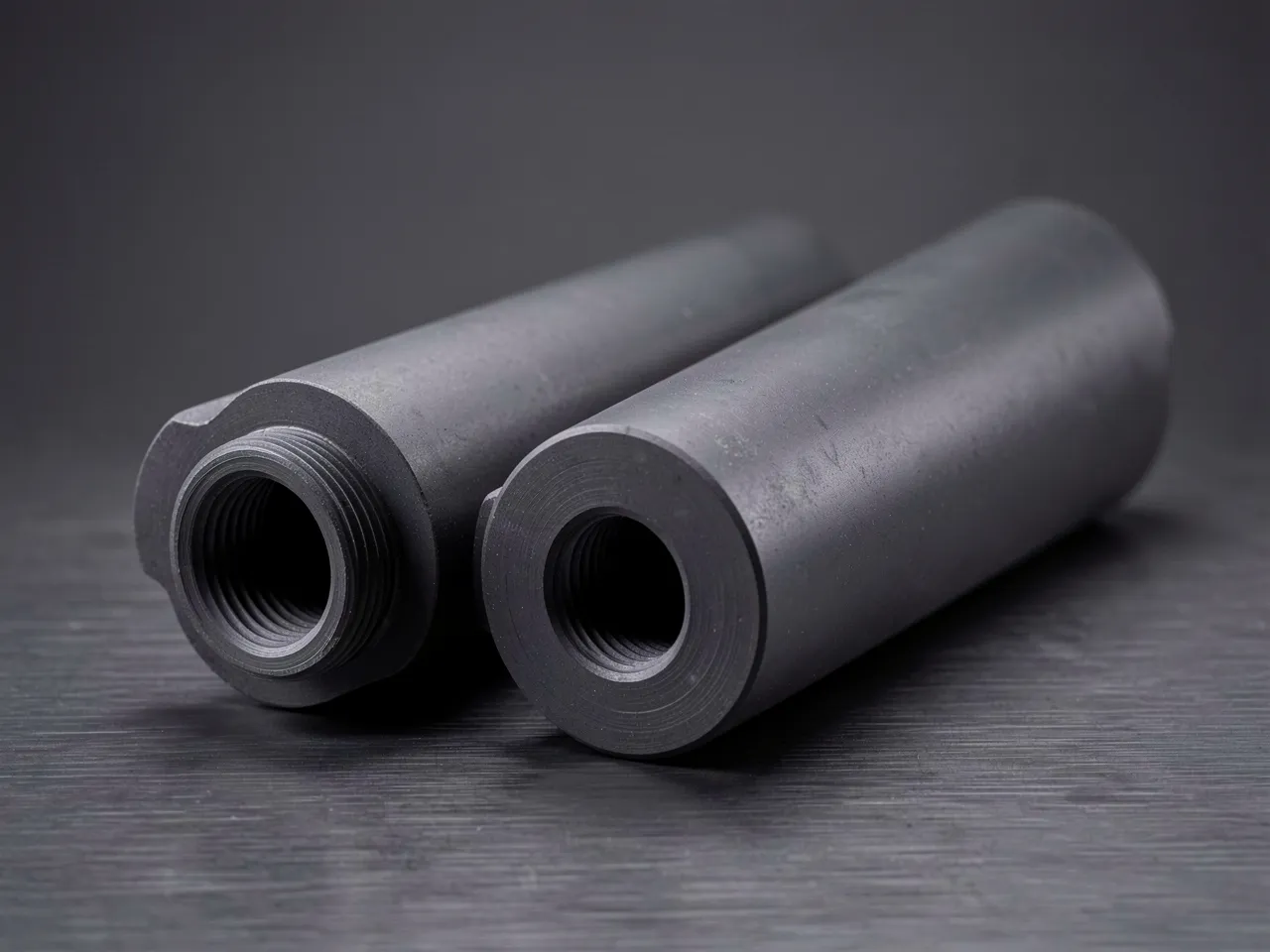
Elettrodi di grafite (UHP)NUOVO

Elettrodi di grafite (UHP)

Graphite ElectrodeProdotti al carbonio

Ultra-high-power (UHP) graphite electrodes are needle-coke-based conductors that carry the high secondary current into electric arc and ladle furnaces, sustaining the arc that melts steel scrap. The graphitized needle-coke matrix gives low electrical resistivity (≤ 5.8 µΩ·m) and high bulk density (≥ 1.68 g/cm³), so the column runs cooler at high amperage, oxidizes more slowly, and resists thermal shock during charge cycling. Lower resistivity means less I²R loss and lower specific electrode consumption per tonne of liquid steel. Primary use is EAF steelmaking and ladle furnace (LF) refining, plus submerged-arc furnaces and foundry melting. Diameters span 300-700 mm to match transformer rating and current density. The UHP grade is specified where high current density, ash ≤ 0.3%, and flexural strength ≥ 10 MPa are needed to limit breakage and tip spalling under arc instability; HP suits lighter duty. Each shipment ships with COA and MTC. Multi-regional sourcing supports CIF Marmara delivery and Gebze bonded stock, 20 MT FCL. Send diameter, grade, and nipple connection for a firm RFQ.

Specifiche tecniche

Diameter300-700mmGradeUHP / HPBulk Density≥ 1.68 g/cm³Resistivity≤ 5.8 µΩ·m

Applicazioni

EAF steelmakingLadle furnace (LF)Submerged-arc furnace
Dettagli
Pasta elettrodica al carbonio (Söderberg)NUOVO

Pasta elettrodica al carbonio (Söderberg)

Electrode PasteProdotti al carbonio

Söderberg electrode paste is a self-baking carbon mix of calcined anthracite, electrically calcined coal, and coke aggregate bound with coal-tar pitch. Charged into the casing of a continuous electrode, it softens at 70-110°C, flows to fill the column, then bakes in situ from furnace heat into a solid conductor. Controlled volatile matter (V.M 12-15.5%) escapes cleanly during that bake; a softening point held in this band prevents green-paste segregation and electrode breaks during slipping. Low resistivity (≤ 75 µΩ·m) and compressive strength ≥ 18 MPa let the column carry high current density and resist soft-tip and hard-break failures. The paste feeds submerged-arc furnaces for ferroalloy smelting (FeSi, FeMn, SiMn, FeCr) and calcium carbide production, where the self-baking electrode eliminates the pre-baked, machined graphite electrode. Fixed carbon ≥ 80% with ash ≤ 8% limits ash carry-over into the bath. Paste is graded standard or sealing/closed-top by V.M and softening point to match electrode diameter and slipping rate. Supplied with COA and MTC, multi-regional sourcing, CIF Marmara or Gebze bonded stock, 20 MT FCL. Send diameter and current rating for a graded RFQ.

Specifiche tecniche

F.C≥ 80%Ceneri≤ 8%V.M12-15.5%Resistivity≤ 75 µΩ·m

Applicazioni

Submerged-arc furnacesFerroalloy smeltingCalcium carbide production
Dettagli
Ricarburante (antracite calcinata)NUOVO

Ricarburante (antracite calcinata)

CACProdotti al carbonio

Calcined anthracite carbon raiser (CAC) is a thermally treated anthracite recarburizer that raises the carbon level of molten iron and steel. Calcination drives off volatiles and orders the carbon structure, so fixed carbon dissolves into the melt and lifts final C toward target chemistry without the cost of graphitized grades. With F.C 90-95% and a graphite-poor structure, recovery sits below synthetic graphite — which is precisely why it serves as an economical bulk carbon tier where premium pickup is not required. Typical use: grey and ductile iron carburization, casting recarburization, and EAF charge carbon for construction steel, dosed roughly 0.5-2.0 wt% depending on charge carbon deficit and target grade. The spec set supports controlled, low-residual additions: S ≤ 0.3% protects nodularity, Ash ≤ 4%, V.M ≤ 1.0%, Moisture ≤ 1.0%, N ≤ 300 ppm to limit pinholing, sized 1-5 mm for steady dissolution. Supplied with COA and MTC, multi-regional sourcing, ex Gebze bonded stock or CIF Marmara, 20 MT FCL. Send target chemistry and tonnage for an RFQ.

Specifiche tecniche

F.C90-95%S≤ 0.3%Ceneri≤ 4%V.M≤ 1.0%

Applicazioni

Grey & ductile iron carburizationEAF charge carbonCasting recarburization
Dettagli
Filo animato al calcio puroNUOVO

Filo animato al calcio puro

Ca WireFerroleghe

Pure Calcium Cored Wire is solid calcium metal compacted inside a low-carbon steel sheath, fed into the ladle during secondary metallurgy. Calcium boils near 1484 C — below steel-ladle temperature — so direct addition flashes off and oxidizes before it can work; the steel jacket carries the Ca below the slag line, where it releases at depth for controlled recovery. Dissolved calcium reduces alumina and modifies hard, angular Al2O3 inclusions into rounded, low-melting calcium aluminates. This curbs nozzle clogging during continuous casting and lifts transverse ductility and fatigue life. Typical uses cover EAF and BF-BOF clean-steel routes, line-pipe and forging grades, and engineering steels needing tight inclusion control. Injection speed and length are tuned to the target Ca/S and total oxygen, with addition rates commonly around 50-200 g Ca per tonne of steel. The 9 mm wire carries about 195 g/m of Ca at >= 98% purity, sheathed in low-carbon steel and wound on ~1.8-2.0 t coils for stable payout. Each lot ships with COA and MTC, multi-regional sourcing, CIF Marmara or Gebze bonded stock, 20 MT FCL. Send your grade, Ca/S target and coil spec for an RFQ.

Specifiche tecniche

Ca≥ 98%Wire Ø9mmPowder≈ 195 g/mSheathlow-carbon steel

Applicazioni

Ladle calcium treatmentInclusion modificationClean-steel casting
Dettagli
Inoculante da fonderia (FeSiZr)NUOVO

Inoculante da fonderia (FeSiZr)

FeSiZrFerroleghe

FeSiZr is a zirconium-bearing ferrosilicon inoculant for grey and ductile cast iron. Added to the molten metal just before or during pouring, its Si 73-78% matrix carries active elements — Zr 1-3%, Ca 0.8-1.5%, Al 0.8-1.5%, Mn 1-3% — that form oxide and oxysulfide micro-sites. These nuclei seed graphite precipitation during eutectic solidification, suppressing carbides and chill. In grey iron this favours fine, evenly distributed Type A flake; in ductile iron it raises nodule count and density and improves nodularity, rather than forming the nodular shape itself, which the Mg treatment governs. The Zr and Mn fractions also deoxidize and scavenge residual nitrogen, reducing pinhole and fissure defects in thicker sections. Foundries running grey iron, ductile iron, and section-sensitive castings use FeSiZr where late fade is a problem: the Zr-stabilized nuclei resist dissolution, holding nucleation potential well past the typical inoculation window. Standard ladle addition runs 0.1-0.4 wt% (1-4 kg/t); finer 0.2-0.7 mm grades suit in-stream and late inoculation, while 1-3 mm serves ladle dosing. Every lot ships with COA and MTC. Multi-regional sourcing supports CIF Marmara delivery and Gebze bonded stock, 20 MT FCL or 5 MT LCL. Send grade and quantity for an RFQ.

Specifiche tecniche

Si73-78%Zr1-3%Ca0.8-1.5%Al0.8-1.5%

Applicazioni

Grey iron inoculationDuctile iron inoculationFade resistance
Dettagli
Inoculante da fonderia (FeSiSr)NUOVO

Inoculante da fonderia (FeSiSr)

FeSiSrFerroleghe

Strontium-bearing ferrosilicon inoculant (Si 73-78%, Sr 0.6-1.0%) for grey and ductile iron. Strontium delivers potent graphite nucleation at a low addition rate with minimal silicon pickup, so it controls chill in thin and section-sensitive castings without raising eutectic cell count the way barium grades can. The result is a clean, uniform graphite structure, fewer edge and core carbides, and steadier mechanical properties from shot to shot. Fade resistance is strong, which suits longer pour windows and stream or in-mould dosing. Supplied in 0.2-0.7mm and 1-3mm sizings with COA + MTC on every lot.

Specifiche tecniche

Si73-78%Sr0.6-1.0%Ca≤ 1.0%Al≤ 1.0%

Applicazioni

Grey iron inoculationDuctile iron inoculationFade resistance
Dettagli
Ferrocromo nitruratoNUOVO

Ferrocromo nitrurato

FeCrNFerroleghe

Nitrided Ferro Chrome (FeCrN) is a solid-state nitrided alloy that delivers chromium and nitrogen to the melt in a single addition, dissolving without the recovery losses and porosity risk of gas-phase nitrogen injection. Nitrogen acts as a strong austenite stabilizer and interstitial strengthener: it raises yield strength, improves pitting and crevice corrosion resistance, and lets producers cut nickel without sacrificing the austenite/ferrite balance. This makes FeCrN the standard route to duplex and super-duplex stainless steels, nitrogen-alloyed and high-nitrogen steels (HNS), and certain tool steels. Typical addition is dosed to hit the target N specification, commonly 0.1-0.5 wt% nitrogen in the finished steel, adjusted for furnace nitrogen recovery. The grade carries Cr 60-65% and N 5-8%, with controlled C ≤0.06%, Si ≤1.5%, P ≤0.03% and S ≤0.04% to protect weldability and ductility; sized 10-50mm for predictable dissolution and clean charging. Supplied with COA and MTC against each lot, multi-regional sourcing, CIF Marmara or Gebze bonded stock, 20 MT FCL. Send your grade and N target for an RFQ.

Specifiche tecniche

Cr60-65%N5-8%C≤ 0.06%Si≤ 1.5%

Applicazioni

Duplex stainless steelNitrogen-alloyed steelHigh-nitrogen steel (HNS)
Dettagli
FerrotungstenoNUOVO

Ferrotungsteno

FeWFerroleghe

Ferro tungsten (FeW80) delivers a high tungsten unit into liquid steel without the melting losses of metallic W. Once dissolved, tungsten forms stable carbides (WC, W2C) and complex M6C phases that resist dissolution and coarsening at elevated temperature. This is the mechanism behind red-hardness: the tool keeps its cutting edge and hardness even when the tip glows during machining. Tungsten also raises hot strength and abrasion resistance, which is why it anchors high-speed steel (HSS), tool and die steels, hard-facing alloys, and heat-resistant grades. Additions are tuned to target W chemistry, commonly a few tenths up to several wt% depending on grade. The FeW80 cut carries W 75-82% with controlled C (≤0.5%), Si (≤0.7%), Mn (≤0.25%), and low P (≤0.04%) / S (≤0.08%), so the master alloy stays clean and adds minimal tramp residuals to the heat; 10-50mm lump suits clean charge handling and predictable recovery. Each lot ships with COA and MTC for full traceability. Multi-regional sourcing supports CIF Marmara and Gebze bonded stock, FCL or LCL. Send your target grade for an RFQ.

Specifiche tecniche

W75-82%C≤ 0.5%Si≤ 0.7%Mn≤ 0.25%

Applicazioni

High-speed steel (HSS)Tool & die steelHard-facing alloys
Dettagli
FerrofosforoNUOVO

Ferrofosforo

FePFerroleghe

Ferro phosphorus (FeP) delivers phosphorus as a controlled, dissolvable unit into iron and steel melts, avoiding the violent reaction and fume losses of elemental phosphorus. In the bath, P partitions into the matrix to raise electrical resistivity and strengthen ferrite by solid solution, while lowering surface tension to improve melt fluidity and mold filling. P also promotes the dense, adherent oxide patina that gives weathering steel its atmospheric-corrosion resistance. Typical use spans weathering (COR-TEN) and free-machining steels, soft-magnetic alloys, and thin-section gray and ductile cast iron. Addition rates are modest, on the order of 0.1-1.0 wt% depending on the target P aim and recovery. This grade analyzes P 23-26%, with Si ≤ 4.0%, Mn ≤ 5.0%, C ≤ 1.0%, and Ti ≤ 1.0%, sized 10-100 mm for predictable dissolution and accurate ladle dosing in EAF and foundry practice. Each lot ships with COA and MTC, drawn from multi-regional sourcing, on CIF Marmara terms via Gebze bonded warehouse, in 20 MT FCL or 5 MT LCL lots. Send your target P range and tonnage for an RFQ.

Specifiche tecniche

P23-26%Si≤ 4.0%Mn≤ 5.0%C≤ 1.0%

Applicazioni

Weathering (COR-TEN) steelFree-machining steelSoft-magnetic alloys
Dettagli
Manganese metallico elettroliticoNUOVO

Manganese metallico elettrolitico

Mn ≥ 99.7%Metalli

Electrolytic manganese metal is a carbon-free Mn unit produced by electrowinning, deposited as brittle cathode flakes at Mn ≥ 99.7%. Because manganese enters liquid steel as a near-pure element rather than as an Fe-Mn alloy, it raises the Mn target without dragging in carbon — the C ≤ 0.03% ceiling lets metallurgists hit Mn aim in grades where high-carbon ferromanganese would breach the carbon or phosphorus spec. Manganese supplements deoxidation and fixes residual sulfur as MnS, displacing low-melting FeS films that cause hot-shortness, so castability and hot ductility improve. As an austenite stabilizer it also strengthens work-hardening response. Primary uses: stainless steel, special and low-C alloy steels, aluminum alloy additions, and battery-grade MnSO₄ feedstock. Additions are typically dosed from tenths of a percent up to a few wt% against ladle analysis. Low Si ≤ 0.01%, Se ≤ 0.02%, S ≤ 0.05%, and Fe ≤ 0.2% keep residuals controlled for clean-steel and chemical routes. Supplied with COA and MTC, multi-regional sourcing, CIF Marmara or Gebze bonded stock, 20 MT FCL / 5 MT LCL. Send grade and tonnage for an RFQ.

Specifiche tecniche

Mn≥ 99.7%C≤ 0.03%S≤ 0.05%Se≤ 0.02%

Applicazioni

Stainless steelSpecial / low-C alloy steelAluminum alloys
Dettagli
Lingotto di magnesio 99,9%NUOVO

Lingotto di magnesio 99,9%

MgMetalli

Primary magnesium ingot at Mg ≥ 99.9% is a high-purity reductant and alloying metal. Its strong affinity for oxygen and sulphur drives the core mechanisms: in hot-metal desulphurization, injected Mg reacts to form stable MgS that floats into slag, cutting S toward ≤ 0.005% for clean-steel and pipeline grades. In ductile-iron production it is the active element behind nodulizer (FeSiMg) chemistry, converting flake graphite to spheroidal form. In aluminum alloys it is the primary strengthening element of the 5xxx series and pairs with Si as Mg2Si in 6xxx, and it sets strength in many die-cast grades. Typical additions run roughly 0.1-0.5% Mg in cast-iron treatment and up to several wt% in Al alloys, with melt loss compensated per practice. The tight residual ceiling — Al ≤ 0.02%, Si ≤ 0.01%, Fe ≤ 0.005%, Cu ≤ 0.005%, Ni ≤ 0.001% — keeps recovery predictable and protects downstream alloy targets; the same purity suits titanium-sponge (Kroll) reduction. Supplied as 7.5 / 12 kg ingot with COA and MTC, multi-regional sourcing, CIF Marmara or Gebze bonded stock, 20 MT FCL. Send your grade and tonnage for an RFQ.

Specifiche tecniche

Mg≥ 99.9%Al≤ 0.02%Si≤ 0.01%Fe≤ 0.005%

Applicazioni

Aluminum-alloy additiveHot-metal desulphurizationNodulizer feedstock
Dettagli
Lingotto di antimonio 99,65%NUOVO

Lingotto di antimonio 99,65%

SbMetalli

Antimony ingot at Sb ≥ 99.65% is a refined cast metal supplied in ~25 kg ingots for metallurgical and chemical conversion. Antimony hardens soft metals and acts as a flame-retardant synergist in halogenated systems: in lead alloys it raises strength and casting fluidity, while as a trioxide precursor it reacts with the halogen source to form antimony halides that scavenge H· and OH· radicals in the gas phase and interrupt flame propagation. Primary uses are antimony trioxide (Sb₂O₃) feedstock, lead-acid battery grid alloys, flame-retardant masterbatch chemistry, and bearing or pewter alloys. Lead-antimony grids typically run 1.5-3% Sb for cycling durability; bearing babbitts carry roughly 7-15% Sb for hardness and load capacity. The 99.65% grade with controlled residuals — As ≤ 0.10%, Fe ≤ 0.05%, Pb ≤ 0.10%, S ≤ 0.06% — keeps trioxide whiteness and battery-alloy behavior consistent by limiting elements that promote gassing or discolor the oxide. Each lot ships with COA and MTC, drawn from multi-regional sourcing into Gebze bonded stock with CIF Marmara delivery and 20 MT FCL options. Send your target grade and tonnage for an RFQ.

Specifiche tecniche

Sb≥ 99.65%As≤ 0.10%Fe≤ 0.05%Pb≤ 0.10%

Applicazioni

Antimony trioxide feedstockLead-acid battery alloysFlame-retardant chemistry
Dettagli
Triossido di antimonioNUOVO

Triossido di antimonio

Sb₂O₃Sali inorganici

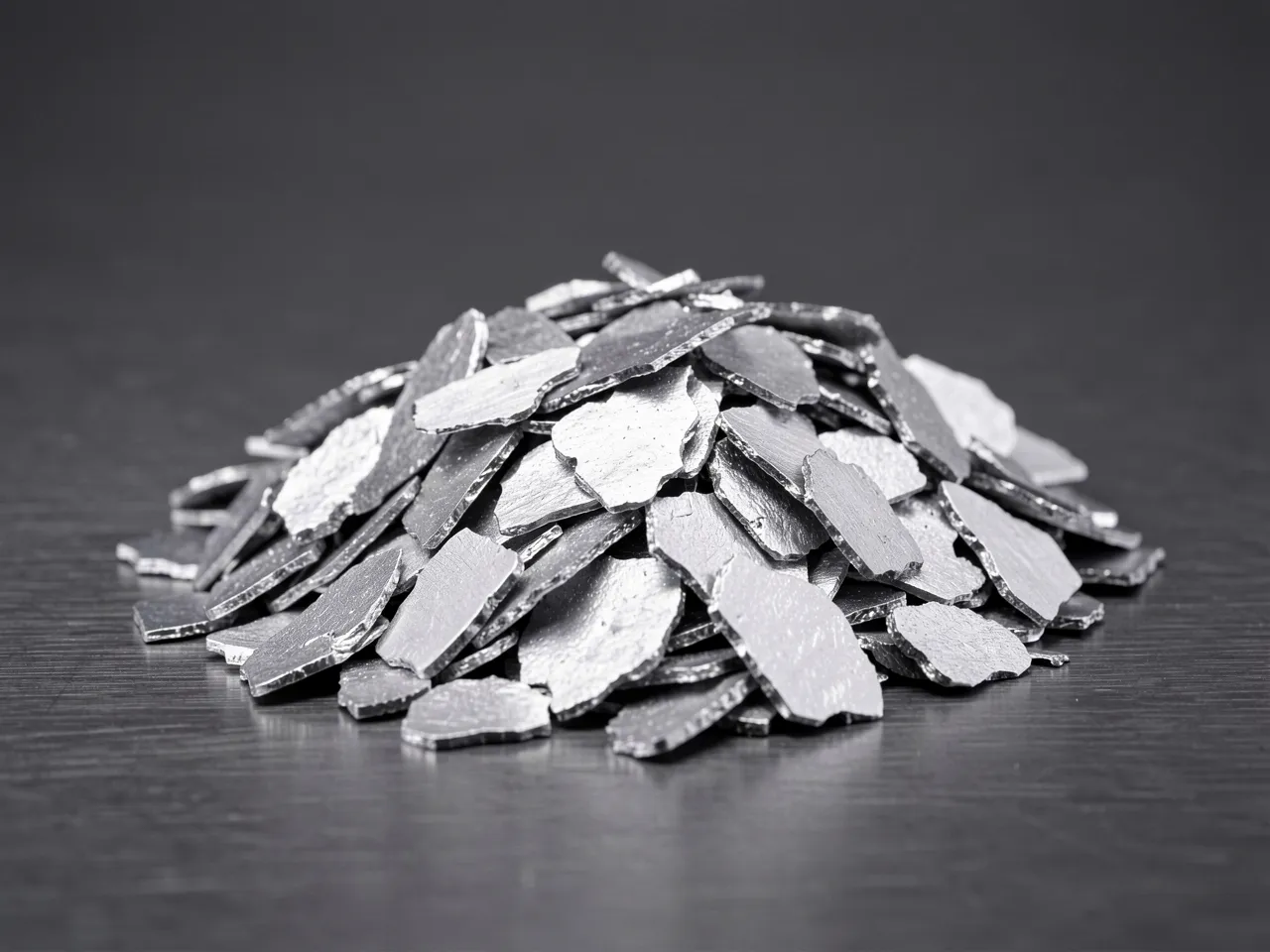
Antimony trioxide (Sb2O3, CAS 1309-64-4) is a fine white oxide powder serving two roles: a flame-retardant synergist and a polycondensation catalyst. In halogenated systems it reacts with the halogen source to form antimony trihalides and oxyhalides in the gas phase, scavenging the H and OH radicals that propagate combustion while promoting a protective char layer. Loading typically runs 2-6 wt% Sb2O3 alongside a halogen donor, tuned to the target UL-94 rating and polymer matrix. As a PET catalyst it accelerates esterification and polycondensation at roughly 200-300 ppm Sb on resin weight. Uses span flame-retardant plastics and textiles, PET resin and fiber, glass and ceramic decolorizing, and pigments and paint. This grade assays Sb2O3 >= 99.5% with As2O3 <= 0.05%, PbO <= 0.05%, and Fe2O3 <= 0.005%; whiteness >= 95% and a controlled 0.3-1.5 micron particle size give consistent dispersion and color hold. Each lot ships with COA and MTC. Multi-regional sourcing supports CIF Marmara delivery, Gebze bonded stock, and 20 MT FCL lots. Send your grade and tonnage for an RFQ.
Specifiche tecniche

Sb₂O₃≥ 99.5%As₂O₃≤ 0.05%PbO≤ 0.05%Fe₂O₃≤ 0.005%

Applicazioni

Flame-retardant synergistPET polymerization catalystGlass / ceramic decolorizer
Dettagli