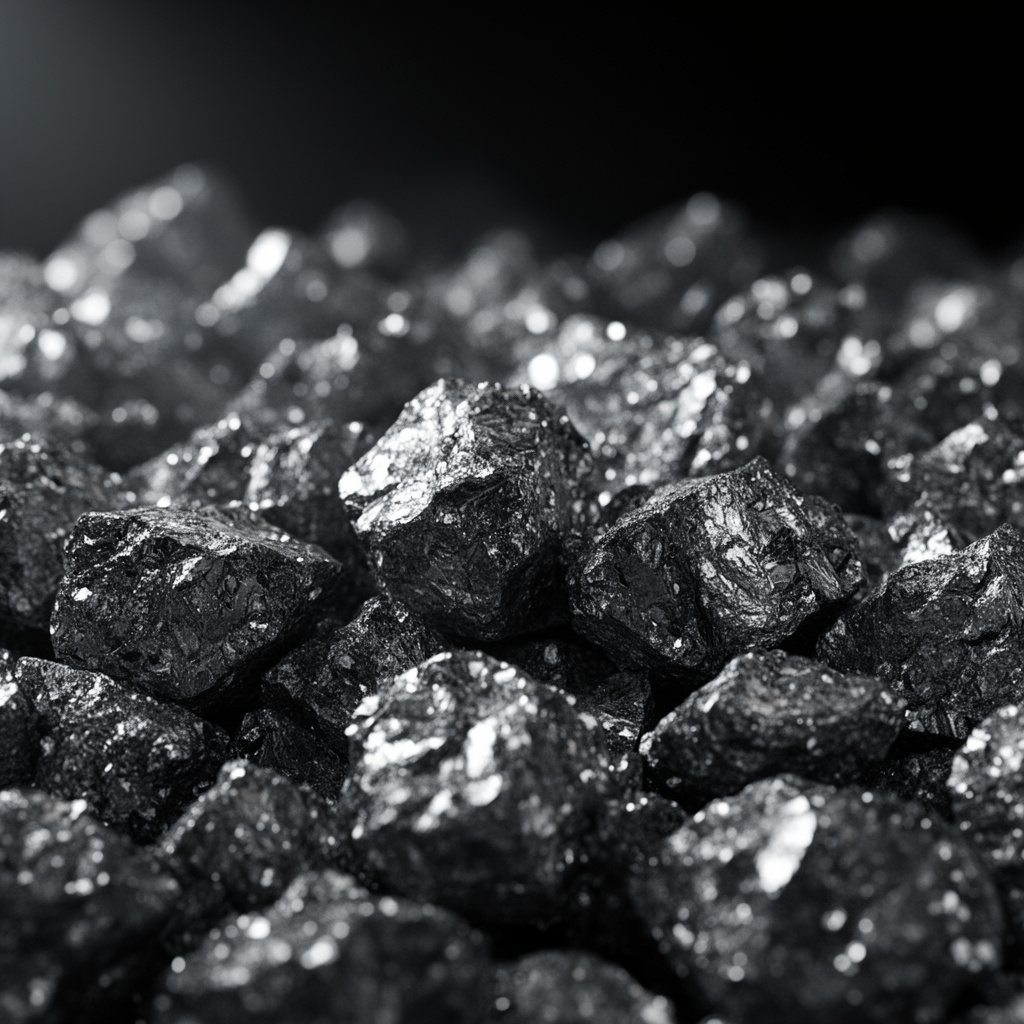
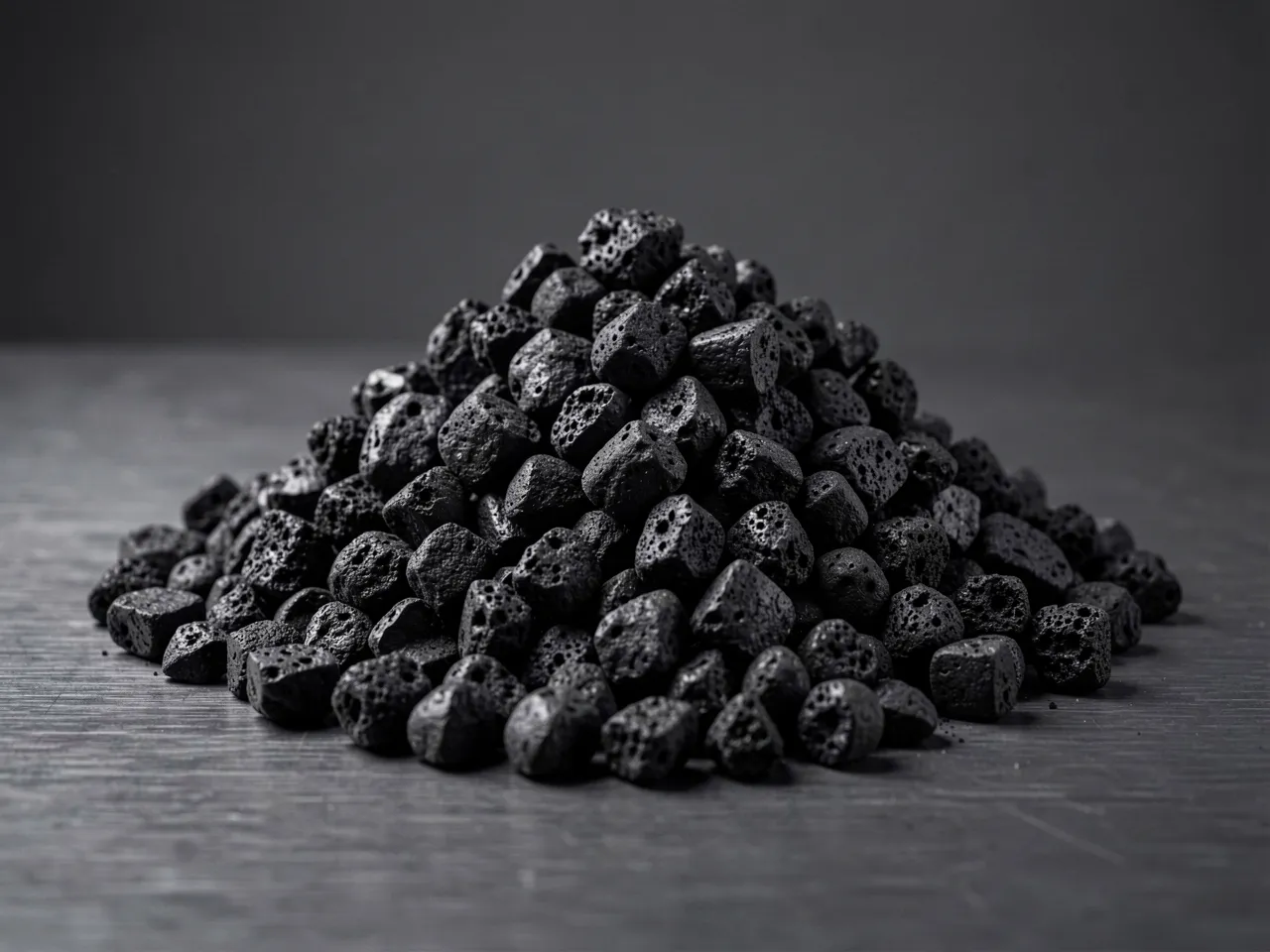
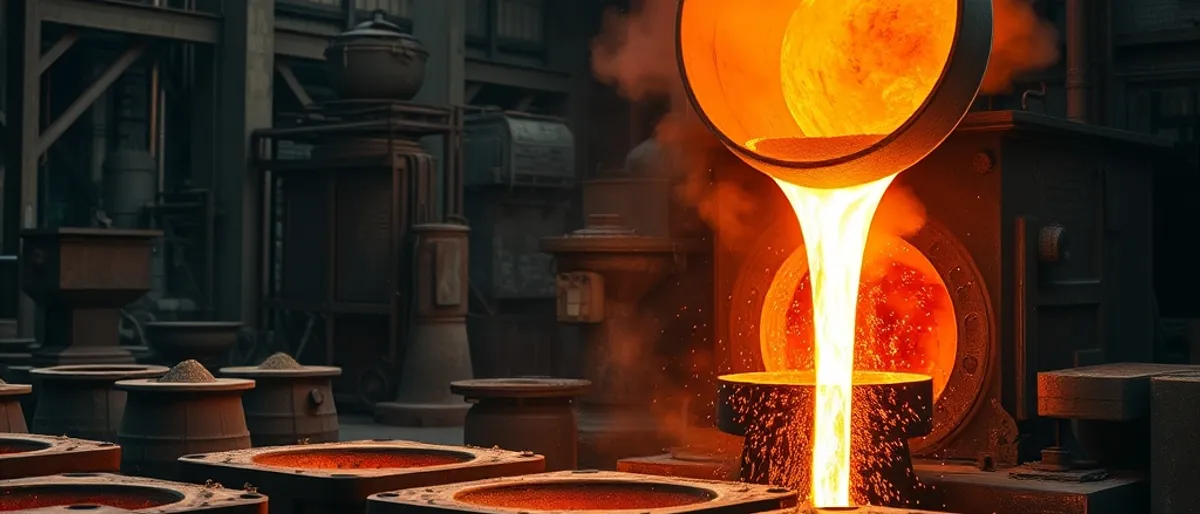
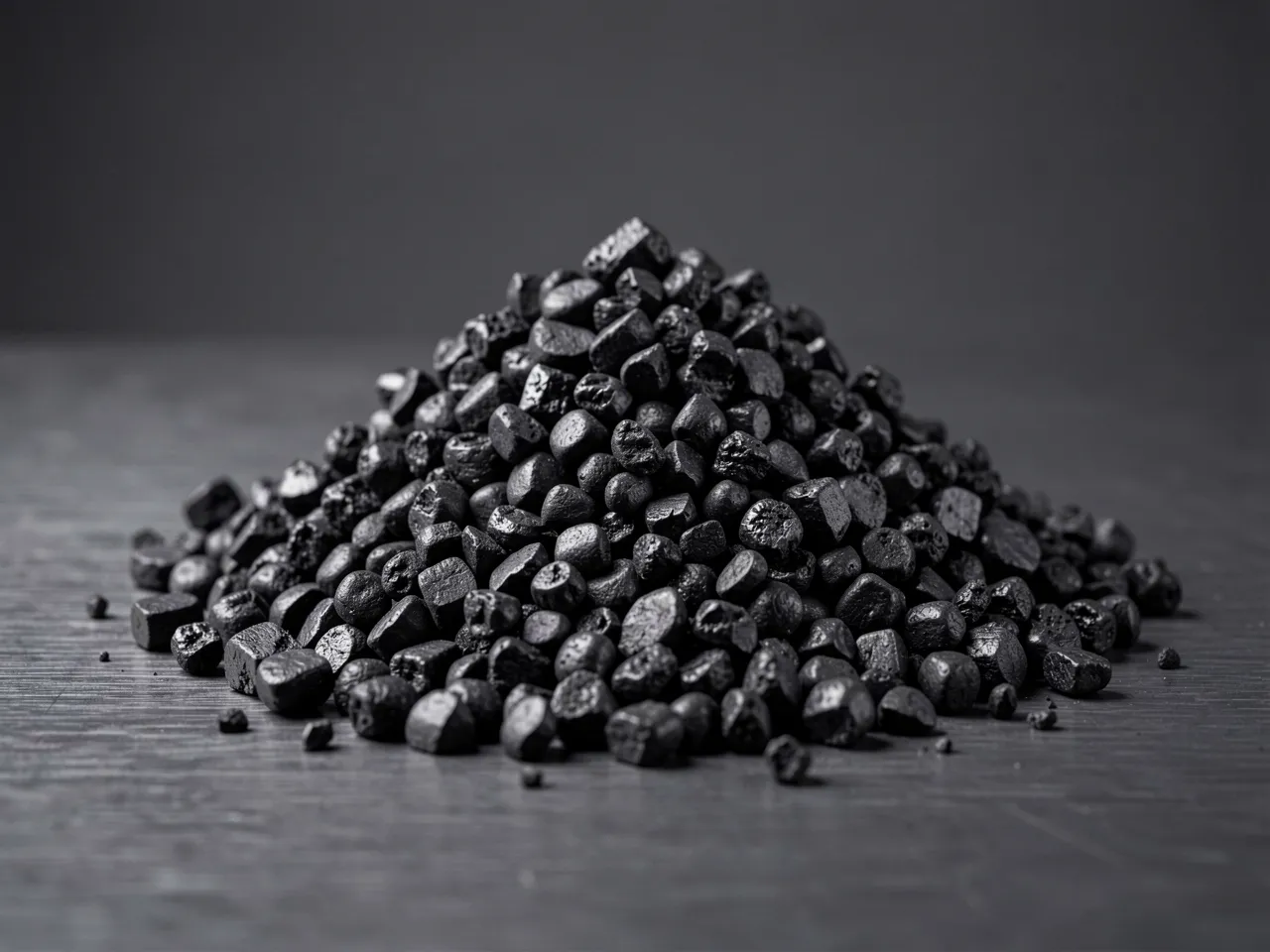
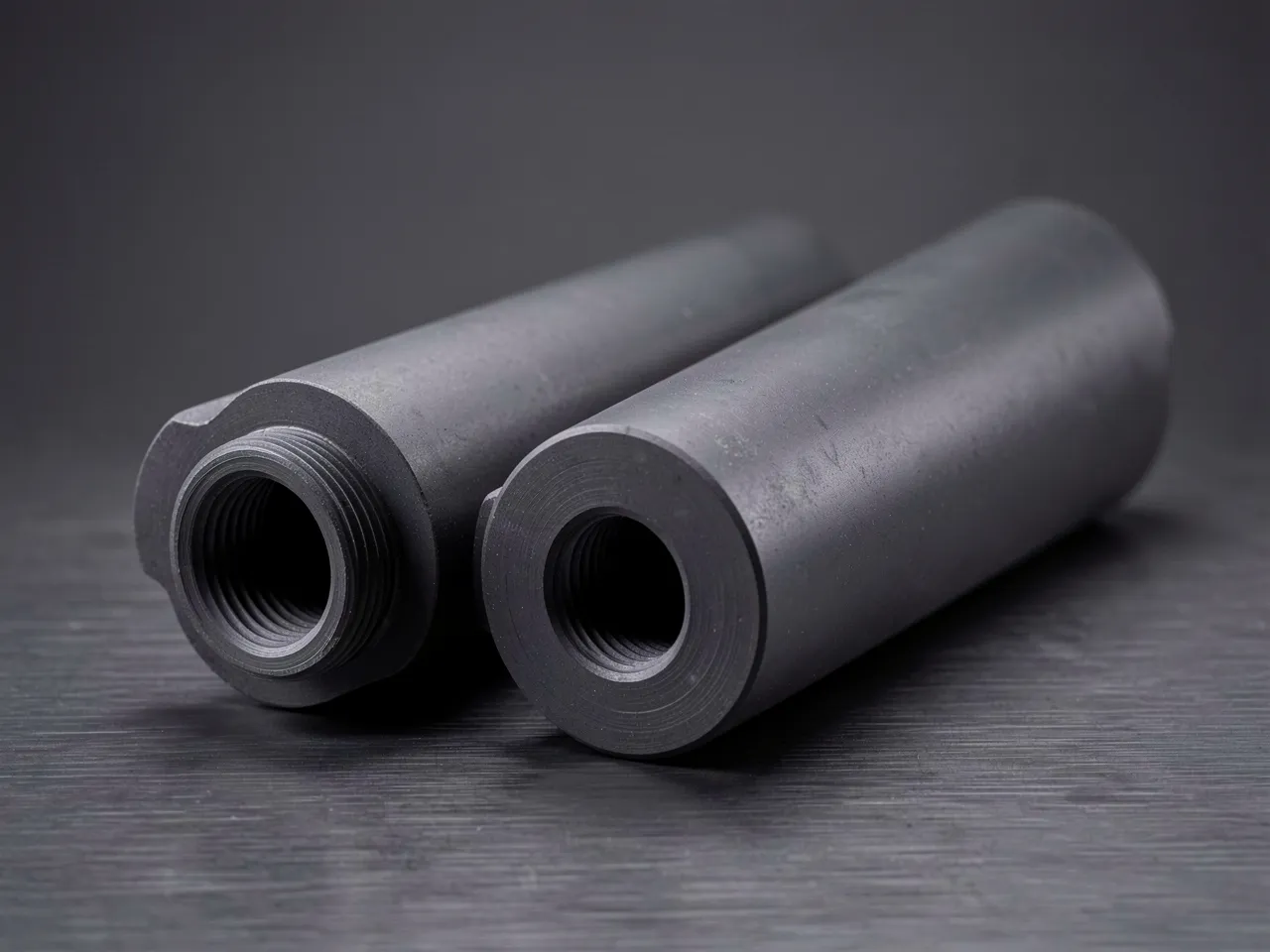
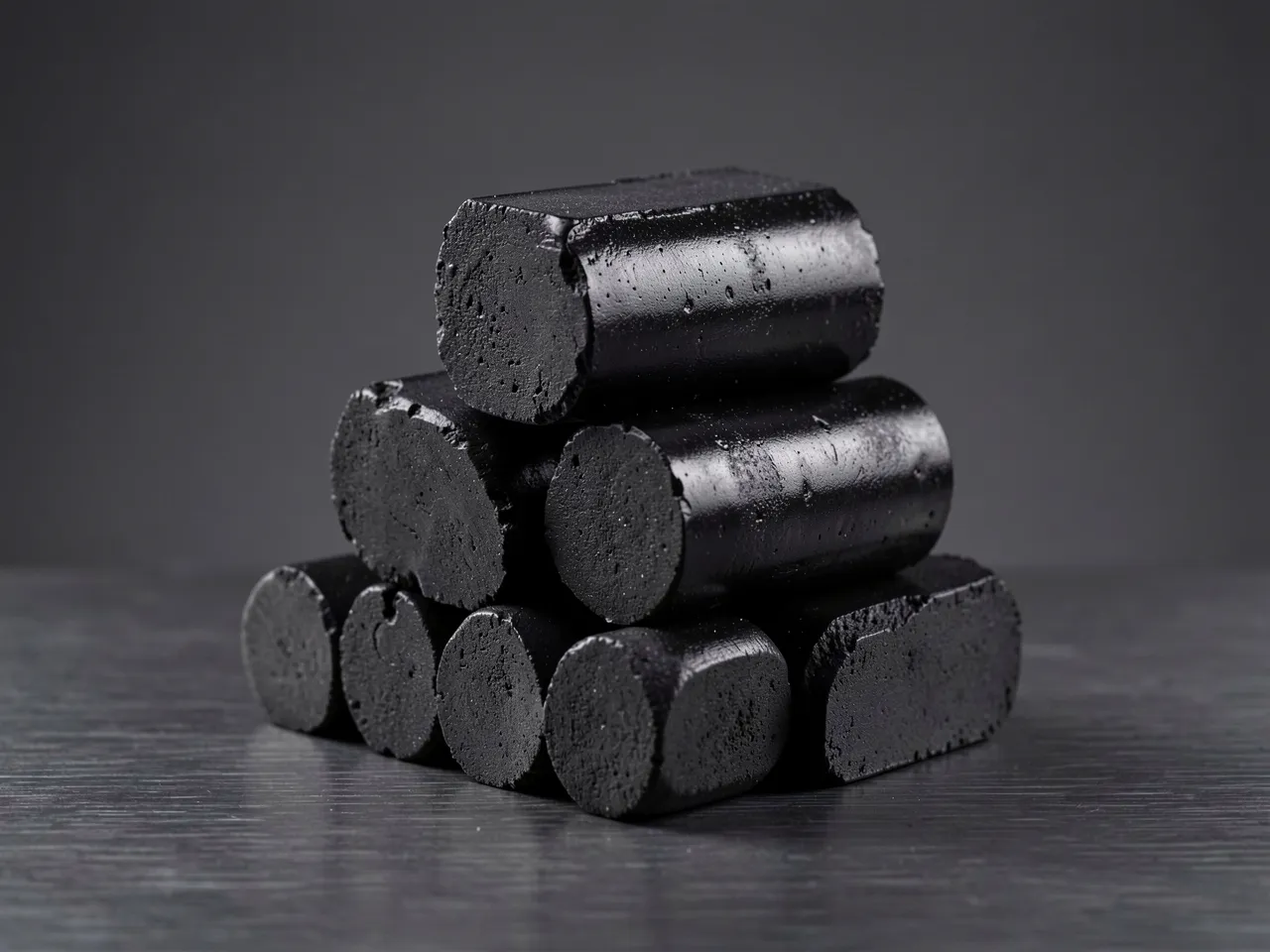
Calcined Petroleum Coke (CPC) is a carbon raiser used to set and correct carbon content in molten iron and steel. Calcination drives off volatiles and orders the carbon structure, yielding a dense material with ≥ 98.5% fixed carbon, ≤ 0.5% S, ≤ 0.5% ash and ≤ 0.7% V.M. Dissolved in the melt, that carbon raises the C level and feeds graphite nucleation, which governs strength and machinability in cast iron. Foundries pouring grey and ductile iron use it for carbon adjustment heat after heat, and EAF mills recarburize the charge and run it as part of slag-foaming carbon practice. Typical additions run roughly 0.5-2.0 wt% in cast iron, with charge-level dosing in steelmaking, tuned to bath temperature and target C. The 1-5 mm sizing supports steady dissolution and high recovery with low fume. Low sulphur protects nodularity in ductile grades and limits desulphurization load. Each lot ships with COA. Multi-regional sourcing supports CIF Marmara delivery and Gebze bonded stock, 20 MT FCL. Send your grade and tonnage for an RFQ.
Technische Spezifikationen
F.C
≥ 98.5%
S
≤ 0.5%
Asche
≤ 0.5%
V.M
≤ 0.7%
Feuchte
≤ 0.5%
Körnung
1-5mm
Anwendungen
Cast iron carburization
Grey & ductile iron
EAF steelmaking
Carbon adjustment
Häufig gestellte Fragen
Wie wähle ich den richtigen CPC-Grade für meinen Ofen und meine Eisengüte aus?
Stimmen Sie Festkohlenstoff und Schwefel auf Ihre Schmelze ab. Dieser Grade läuft F.C ≥ 98.5%, S ≤ 0.5%, Asche ≤ 0.5%, V.M ≤ 0.7%. Für Sphäroguss und schwefelarme EAF-Schmelzen halten Sie S so niedrig wie möglich, um die Mg-Ausbeute und die Kugelgraphitausbildung zu schützen. Die Körnung 1-5mm eignet sich für die Pfannen- und Ofenzugabe mit gleichmäßiger Auflösung. Geben Sie Ihre angestrebte Kohlenstoffaufnahme und den Basisschwefel an, damit die F.C/S-Bilanz zu Ihrer Einsatzchemie passt.
Welche Dosierung und Zugabemethode sollte ich verwenden?
Die Dosierung hängt von der Kohlenstofflücke zwischen Einsatz und Ziel ab. Als Arbeitsbereich benötigt jede Anhebung um 0.1% Kohlenstoff bei typischer Ausbeute etwa 1-1.5 kg pro Tonne, sodass die meisten Gießereien einige kg pro Tonne zugeben. Chargieren Sie mit dem metallischen Einsatz oder geben Sie früh auf das Bad zu, damit sich alles vollständig auflöst; vermeiden Sie späte Pfannenzugaben, die die Auflösungszeit begrenzen. Die Ausbeute steigt mit Badbewegung, ausreichender Überhitzung und dem Vermeiden von Schlackeneinschluss. Führen Sie einen Schmelzversuch durch, um Ihren eigenen Faktor festzulegen, bevor Sie hochskalieren.
Wie wird es verpackt, und wie sind typische Lieferzeit und Mindestbestellmenge?
Standardverpackung sind 25 kg PP-Säcke oder Jumbo-Bags (etwa 1.000 kg), palettiert und gegen Feuchtigkeit schrumpffoliert. Wir versenden 20 MT FCL oder 5 MT LCL über Beschaffung aus mehreren Regionen, mit Zolllagerbestand in Gebze für eine schnellere Abholung in der Marmararegion. Die Lieferzeit reicht von sofort für vorrätige Körnungen bis zu einigen Wochen für Produktionslose im ganzen Container. Nennen Sie uns Körnungsschnitt, Sackformat und Bestimmungs-Incoterm (CIF Marmara, EXW Zolllager) für einen verbindlichen Zeitplan.
Welche Qualitätsdokumentation und Prüfung liegen jeder Charge bei?
Jede Charge wird mit einem COA versandt, der F.C, S, Asche, V.M, Feuchte und Körnung gegenüber dieser Spezifikation ausweist. Festkohlenstoff erfolgt per Immediatanalyse, Schwefel typischerweise per Verbrennung (LECO-Typ) nach ASTM-Methoden. Eine akkreditierte Drittprüfung am Verladehafen ist auf Anfrage verfügbar. Nennen Sie uns Ihre Annahmegrenzen, und wir richten den Prüfbericht und, wo nötig, die Probenahme vor Versand aus, damit Ihre Eingangsprüfung ohne Neuqualifizierung besteht.
Kann CPC graphitierten Petrolkoks oder andere Aufkohlungsmittel ersetzen?
CPC und GPC unterscheiden sich hauptsächlich im Grad der Graphitierung. CPC mit ≥ 98.5% F.C gibt eine zuverlässige, kostengünstigere Kohlenstoffaufnahme für Grauguss, allgemeinen Sphäroguss und EAF-Einsatz. Graphitierter Petrolkoks (GPC) löst sich schneller mit höherer Ausbeute und extrem niedrigem Stickstoff auf und wird für Premium-Sphäroguss und -Stahl bevorzugt, wo die N-Kontrolle wichtig ist. Aufkohlungsmittel auf Anthrazitbasis kosten weniger, führen aber mehr Asche und Schwefel. Stimmen Sie den Grade auf Ihre Stickstoff- und Schwefelgrenzen ab, nicht nur auf F.C.