Ferro Alloys

18 products in the Ferro Alloys category. Select a product for technical specifications and a quote.

Ferro SiliconIn Stock

Ferro Silicon

FeSiFerro AlloysSi 70–72%

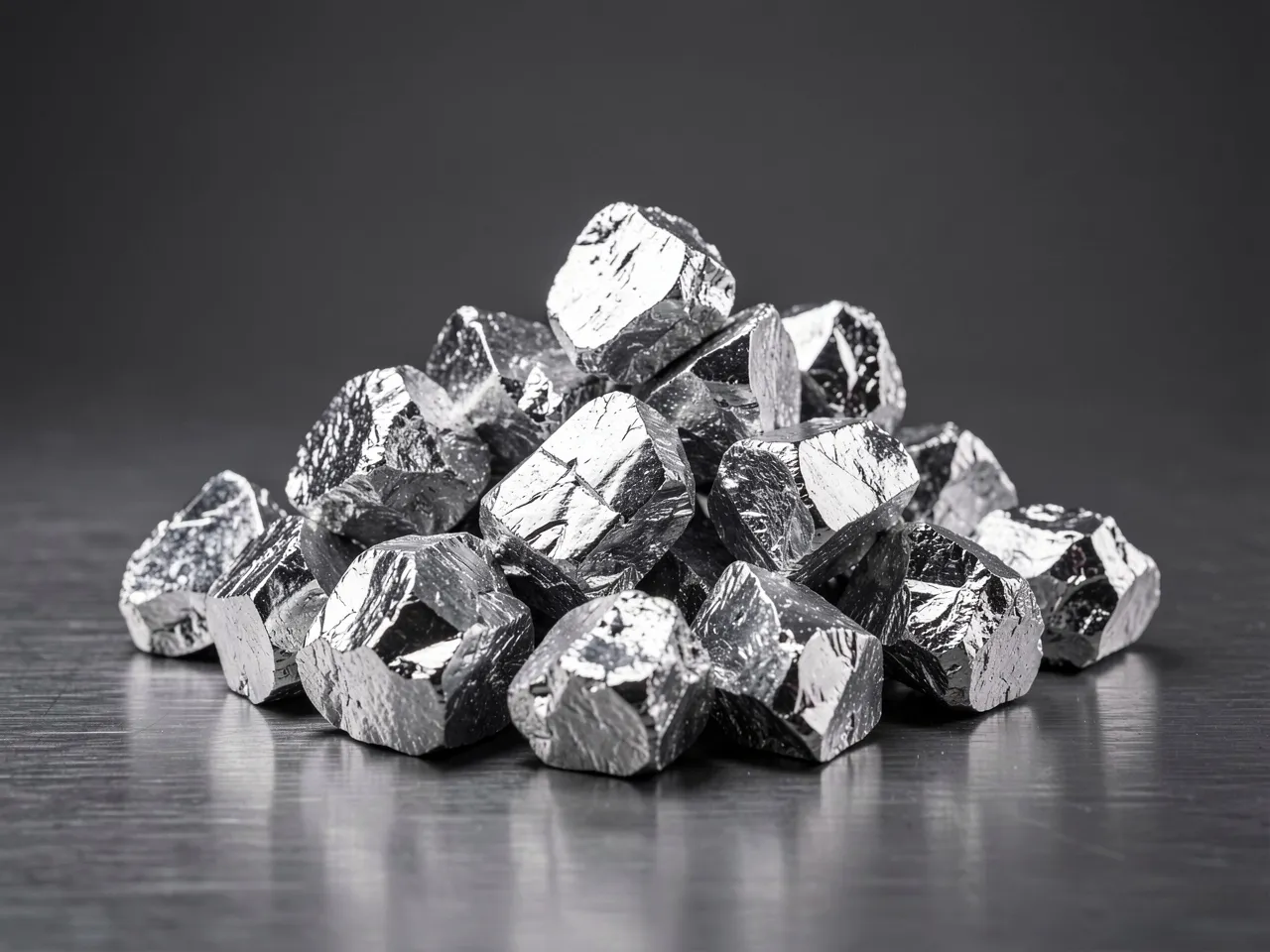
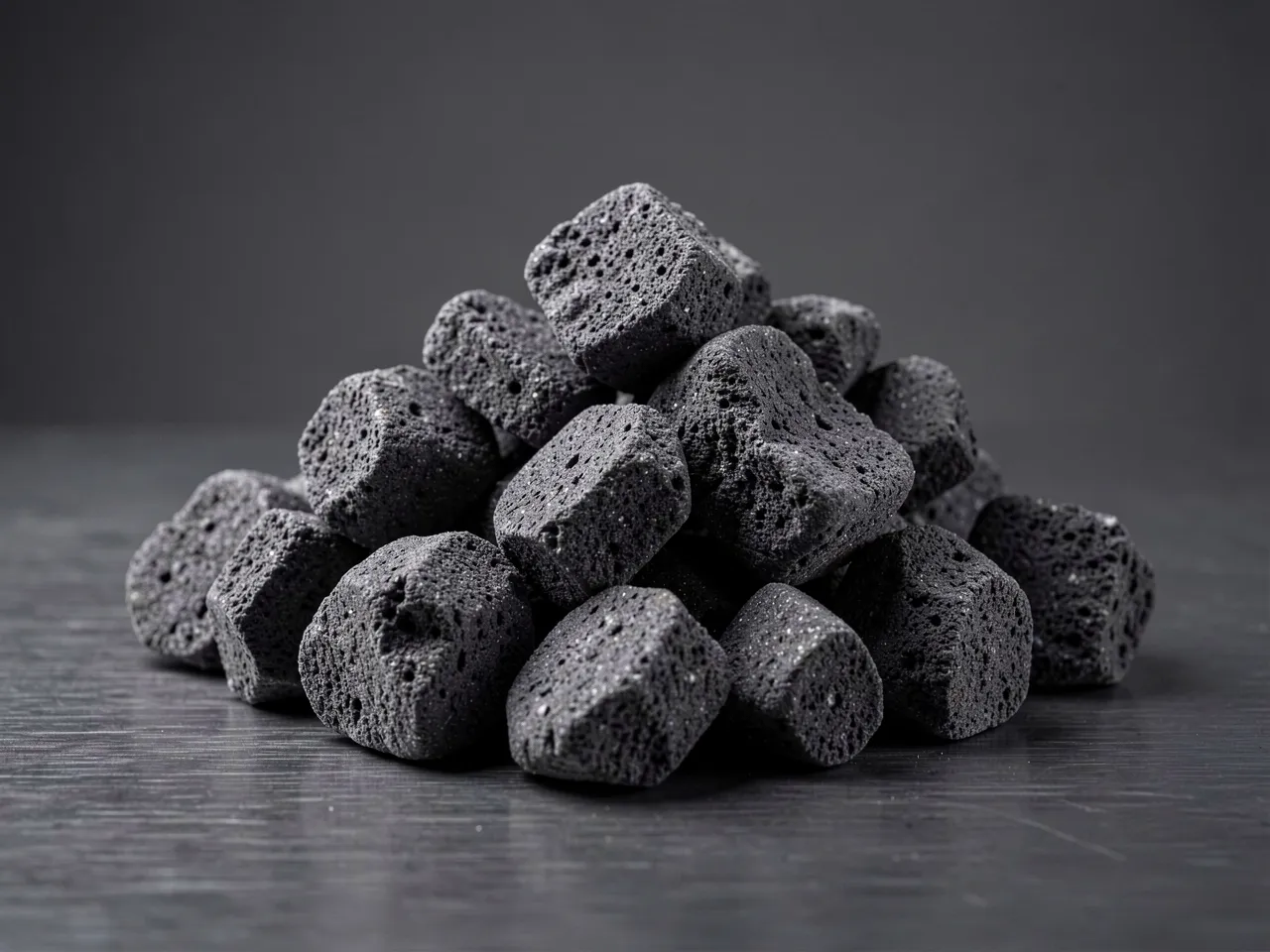
Ferro Silicon (FeSi) is an iron-silicon master alloy used to control oxygen and adjust silicon content in molten steel and cast iron. As a deoxidizer, its silicon reacts with dissolved oxygen to form SiO2 that floats into the slag, raising cleanliness and improving yield of more reactive additions such as Mn and Al. In cast iron it shifts solidification toward graphite, countering chill and stabilizing the as-cast structure. This grade runs Si 72-78% (FeSi 75 basis) with Al ≤ 1.5%, C ≤ 0.10%, P ≤ 0.04%, and S ≤ 0.02% in 10-60 mm lumps. Typical use spans EAF and BF-BOF steel deoxidation, grey- and ductile-iron inoculation, silicon-steel production, and as feedstock for downstream ferroalloys. Deoxidation dosage commonly lands near 0.3-0.6 wt% for grey iron, adjusted to bath chemistry and oxygen activity. Tight C/P/S limits suit cleaner-steel routes; a 70-72 grade is available for grey-iron and inoculation work. Lots ship against COA and MTC (EN 10204 3.1) with XRF/ICP verification, conforming to ASTM A100 / ISO 5445, from multi-regional sourcing. Delivery options include CIF Marmara and 20 MT FCL lots. Send your grade and tonnage for an RFQ.

Technical Specifications

Si72-78%Al≤ 1.5%C≤ 0.10%P≤ 0.04%

Applications

Steel deoxidationCast iron inoculationFerroalloy production
Details
Ferro Silicon ManganeseIn Stock

Ferro Silicon Manganese

FeSiMnFerro AlloysSiMn 65/15

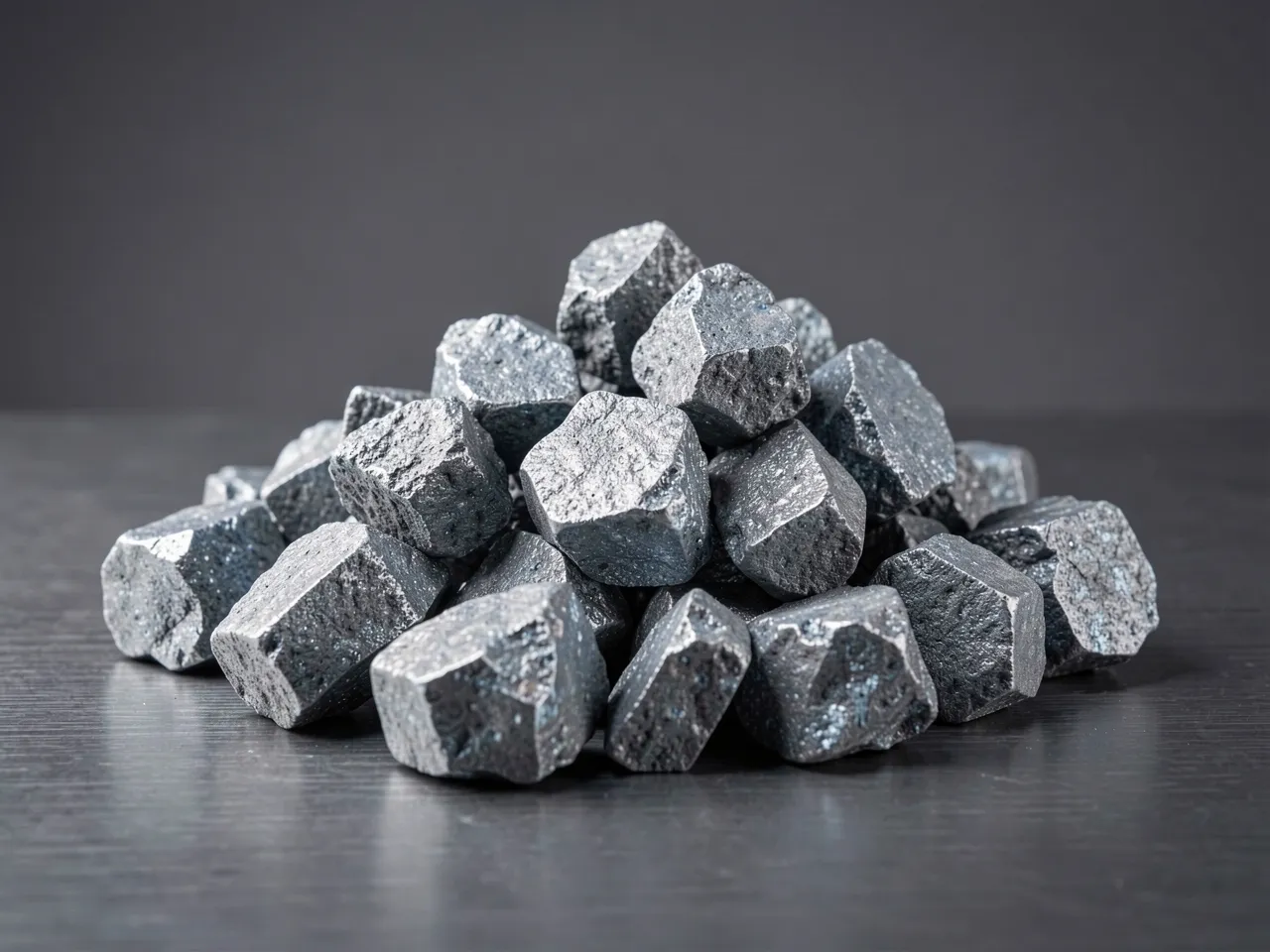
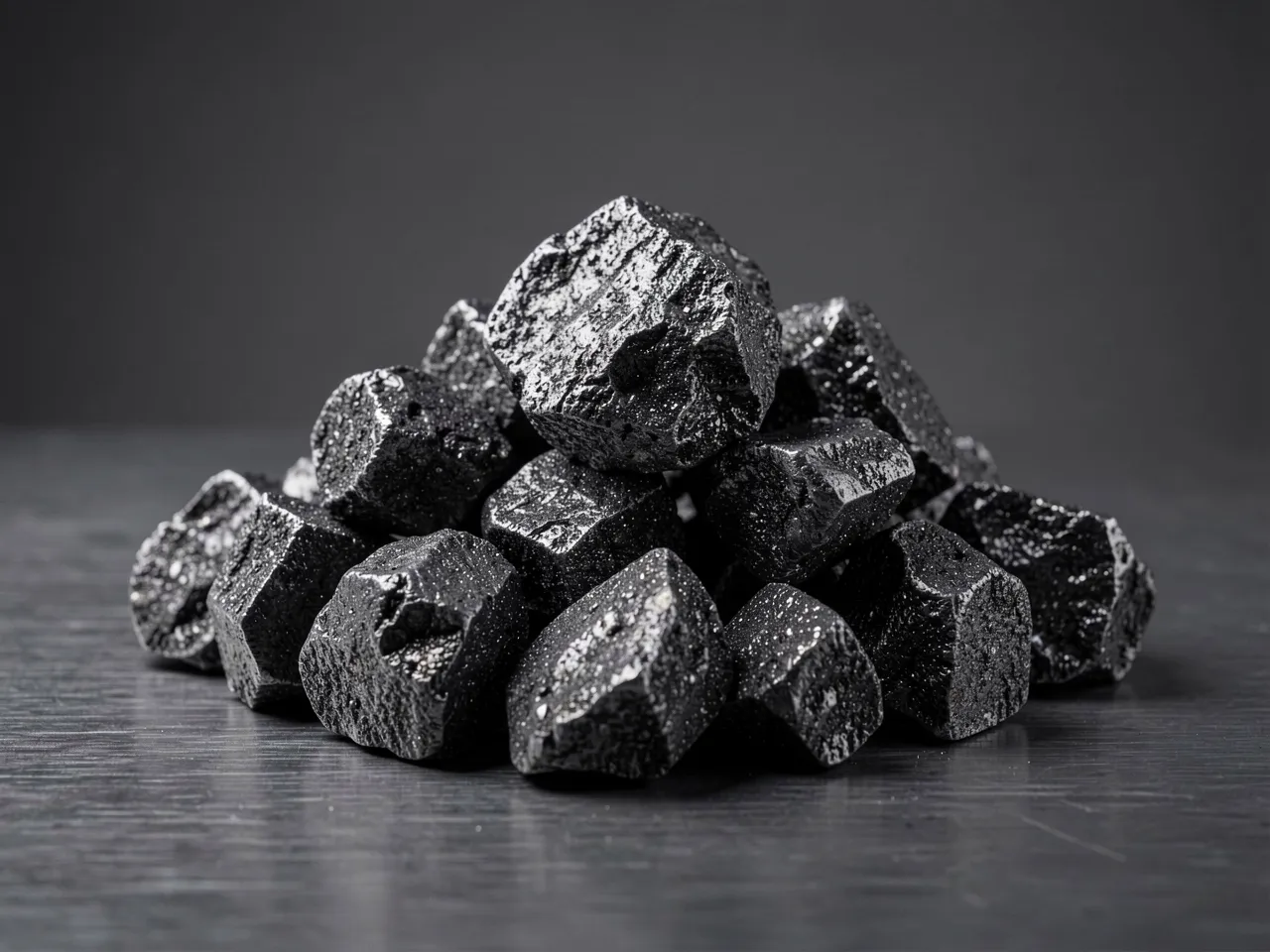
Ferro Silicon Manganese (FeSiMn) is a dual-function ladle and furnace addition that combines manganese alloying with silicon-driven deoxidation in a single charge. The Si fraction (14-22%) scavenges dissolved oxygen to form fluid manganese-silicate inclusions that float into the slag, while Mn (65-72%) raises hardenability and ties up sulphur, reducing FeMn and FeSi consumption per heat. Lower silica activity gives cleaner steel than separate FeMn plus FeSi additions. It is used in EAF and BF-BOF deoxidation, low- and high-Mn structural and manganese steels, alloy and welding-electrode production. Typical EAF dosage runs 0.5-1.2 wt% of the heat, adjusted to tap oxygen and target chemistry. This grade holds C ≤ 2.0%, P ≤ 0.20%, S ≤ 0.03% at 10-60 mm sizing, meeting ASTM A483 / ISO 5447 for consistent recovery. Each lot ships with COA and MTC, XRF/ICP-verified, on multi-regional sourcing with CIF Marmara delivery and 20 MT FCL or 5 MT LCL lots. Send heat chemistry and tonnage for an RFQ.

Technical Specifications

Mn65-72%Si14-22%C≤ 2.0%P≤ 0.20%

Applications

Steel deoxidationAlloy productionWelding materials
Details
HC Ferro ManganeseIn Stock

HC Ferro Manganese

HC FeMnFerro AlloysMn 70% min · Mn 75% min

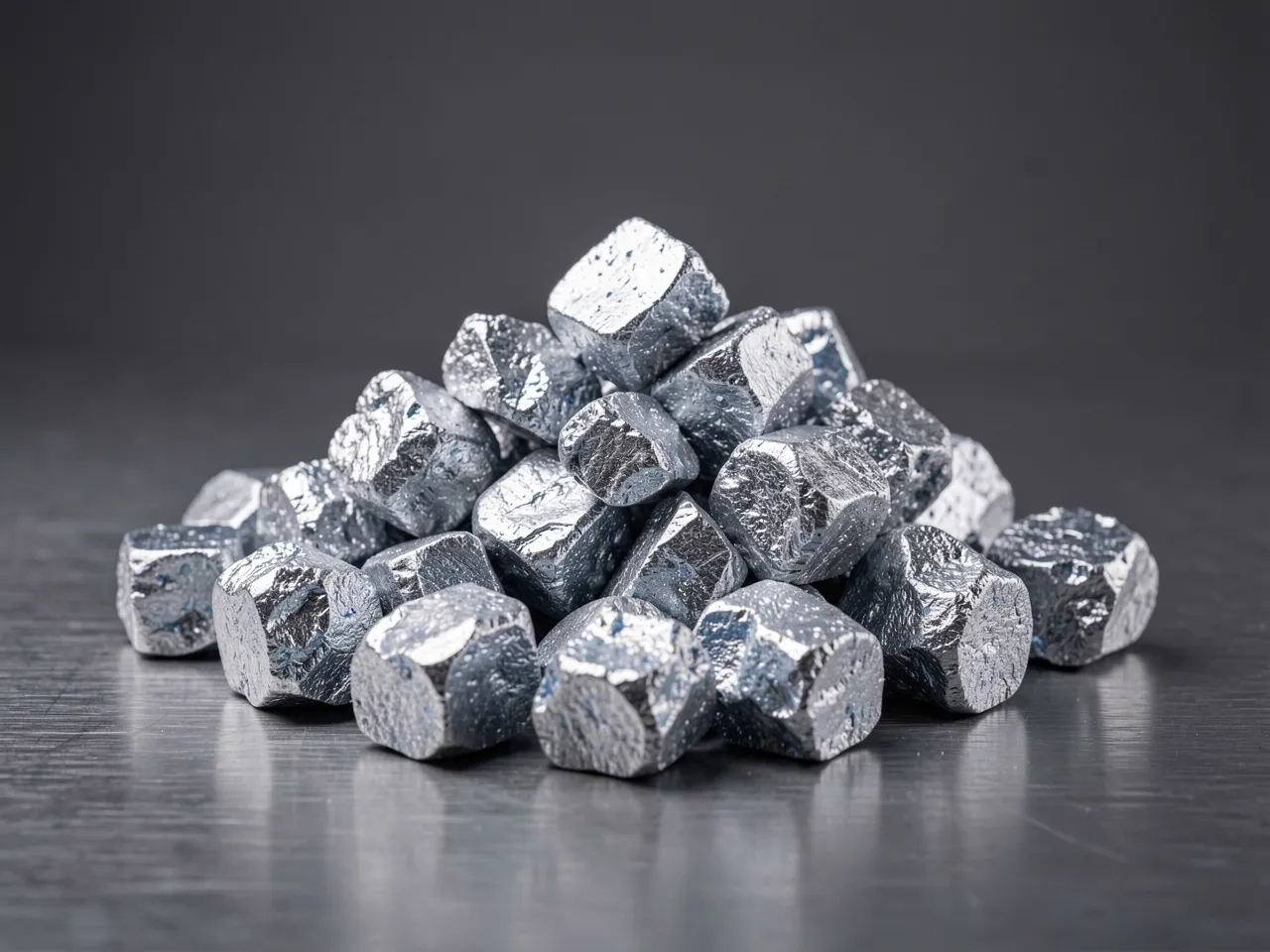
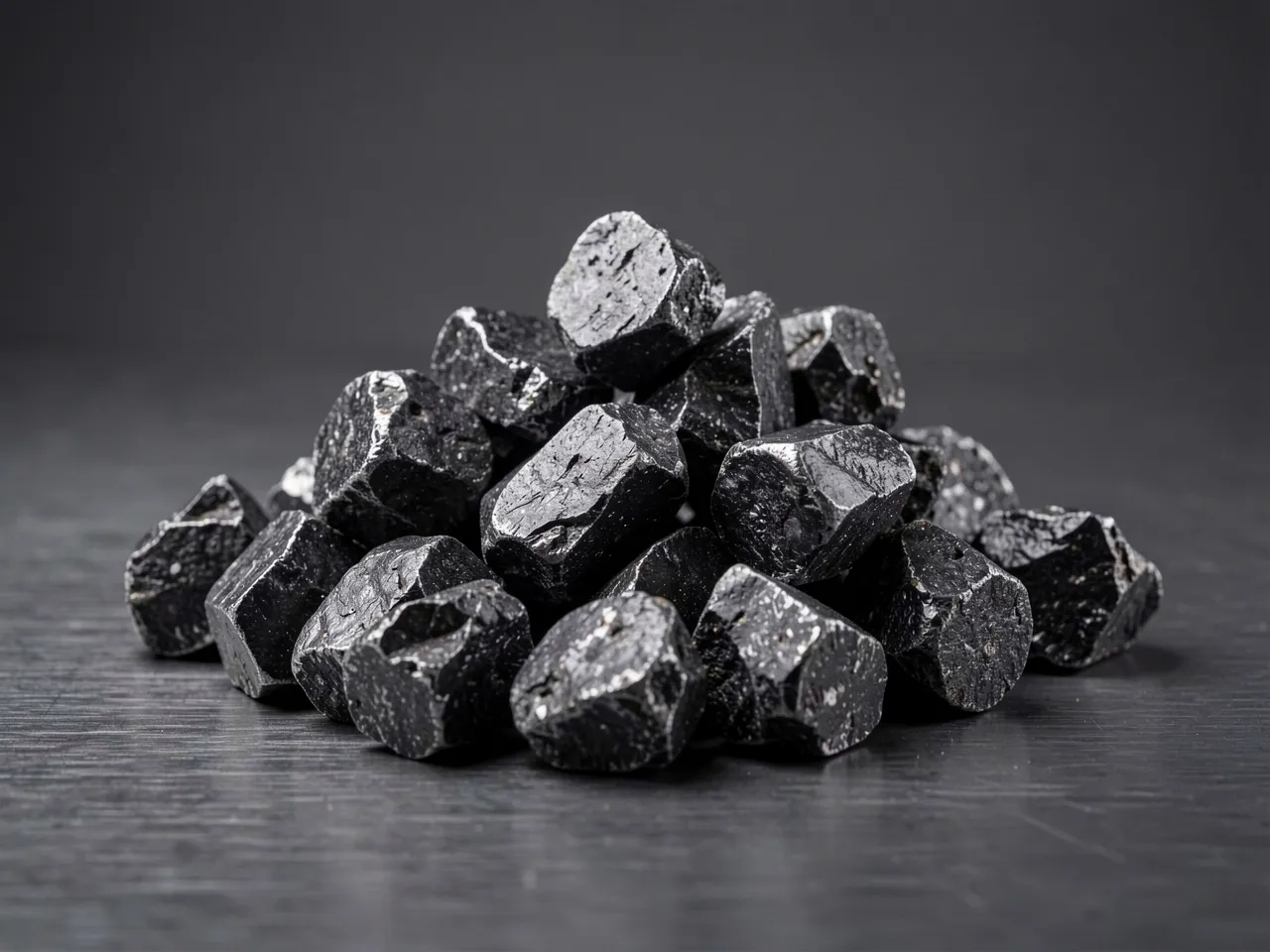
High carbon ferro manganese (HC FeMn) is a primary manganese unit for steelmaking, used to deoxidize liquid steel and to alloy in manganese for strength and hardenability. Manganese has a higher affinity for oxygen and sulfur than iron, so HC FeMn pulls dissolved oxygen into the slag and ties up sulfur as MnS, countering hot-shortness during rolling. This grade carries Mn ≥ 65% with C ≤ 7.0%, Si ≤ 2.0%, P ≤ 0.30% and S ≤ 0.03%, sized 10-80mm for controlled dissolution in BF-BOF and EAF practice. The 65% Mn floor and capped P suit construction and structural steels, alloy steel, and ladle desulfurization where carbon pickup is acceptable. Typical additions run about 0.3-0.8 wt% of the heat, adjusted to target Mn recovery and residual limits. Conformance is verified by XRF/ICP against ASTM A99 / ISO 5446, with COA and MTC supplied per lot. Multi-regional sourcing supports CIF Marmara delivery in 20 MT FCL lots. Send heat size and target Mn for a graded RFQ.

Technical Specifications

Mn≥ 65%C≤ 7.0%Si≤ 2.0%P≤ 0.30%

Applications

SteelmakingDesulfurizationAlloy steel production
Details
HC Ferro ChromeIn Stock

HC Ferro Chrome

HC FeCrFerro AlloysCr 61–62%

High carbon ferrochrome (HC FeCr) is the primary chromium carrier for stainless and chromium-alloy steelmaking. It introduces Cr ≥ 60% (typically 60-65%) into the melt at lower cost than refined grades, with carbon at C ≤ 8.0% acting as a built-in reductant that supports recovery in EAF and converter practice. Chromium raises corrosion resistance, hardenability and high-temperature strength; carbon is later trimmed by AOD/VOD decarburization, so HC FeCr fits the bulk-Cr stage of the route. Foundries and mills draw on it for 300/400-series stainless, alloy and tool steels, chromium master alloys and coated welding electrodes. HC FeCr alloy addition commonly lands around 20-25 wt% of a 304-type charge, adjusted to scrap chemistry and target Cr. Lump sizing of 10-100mm suits furnace charging and bath dissolution, while P ≤ 0.04% and S ≤ 0.05% protect weldability and ductility. Each lot ships against COA and MTC to ASTM A101 / ISO 5448, XRF/ICP-verified, through multi-regional sourcing: CIF Marmara, 20 MT FCL. Send target Cr, C ceiling and sizing for a same-grade RFQ.

Technical Specifications

Cr≥ 60%C≤ 8.0%Si≤ 3.0%P≤ 0.04%

Applications

Stainless steelStainless 304: 20-25 wt% dosage referenceAlloy steel
Details
Ferro MolybdenumOut of Stock

Ferro Molybdenum

FeMoFerro Alloys

Ferro Molybdenum (FeMo) is a master alloy carrying Mo ≥ 60% that delivers molybdenum into steel melts without the oxidation losses of metallic Mo. Added to the ladle or EAF, it raises hardenability, high-temperature strength, and resistance to pitting and creep; in stainless and pipeline grades Mo stabilizes the passive film and counters chloride attack. Typical additions run roughly 0.1-0.5 wt% Mo for alloy and pipeline steels and up to ~2-4 wt% in tool and heat-resistant grades, dosed against the target Mo aim and recovery. The standard FeMo 60 grade holds C ≤ 0.10%, Si ≤ 1.0%, P ≤ 0.05%, S ≤ 0.10%, Cu ≤ 0.50%, sized 10-50 mm to ASTM A132 / ISO 5452; a low P/S FeMo 65-70 is available on request for cleaner-steel routes. Every lot ships with COA and MTC (EN 10204 3.1), XRF/ICP verified at Mo ≥ 60%. Multi-regional sourcing supports CIF Marmara delivery in 20 MT FCL or 5 MT LCL lots. Send your target Mo%, grade, and tonnage for a current RFQ.

Technical Specifications

Mo≥ 60%C≤ 0.10%Si≤ 1.0%P≤ 0.05%

Applications

Alloy steelStainless steelTool steel
DetailsAvailable on Request
Ferro Silicon MagnesiumOut of Stock

Ferro Silicon Magnesium

FeSiMgFerro Alloys

Ferro Silicon Magnesium (FeSiMg) is a nodularizing alloy that converts the graphite in molten iron from flake to spheroidal form. Added to the ladle, its magnesium reacts with dissolved sulfur and oxygen, then the residual Mg nucleates compact graphite nodules, while the rare-earth fraction neutralizes trace subversive elements (Pb, Bi, Sb) and stabilizes nodule count. The result is ductile (nodular) iron with the tensile strength and elongation that grey iron cannot reach. It serves ductile iron production, in-ladle nodularization, and general cast iron modification across automotive, pipe, and machinery casting. Typical treatment additions run roughly 1.0-1.8 wt% of the metal charge, tuned to base sulfur, tapping temperature, and the sandwich or tundish-cover method used. This grade carries Si 44-48%, Mg 5-7%, RE 1-2%, Ca 1-3%, Al ≤1.0%, sized 5-25 mm for controlled dissolution and reduced Mg fade, on a GB/T 4138 nodulizer basis. Each lot ships with COA and MTC (EN 10204 3.1), with Mg/RE verification and Mg-fade discipline. Multi-regional sourcing supports CIF delivery in 20 MT FCL or 5 MT LCL. Send your base-iron analysis and target grade for an RFQ.

Technical Specifications

Si44-48%Mg5-7%RE1-2%Ca1-3%

Applications

Ductile iron productionNodularizationCast iron modification
DetailsAvailable on Request

Foundry Inoculant (FeSiBa)Out of StockNEW

Foundry Inoculant (FeSiBa)

FeSiBaFerro Alloys

Foundry inoculant (FeSiBa) is a barium-bearing ferrosilicon added to molten grey and ductile iron just before or during pouring. The Si carrier and 1-3% Ba seed silicate-oxide nuclei in the melt, giving graphite a preferred site to precipitate as the iron solidifies. This suppresses undercooling, cuts the chill (white iron) tendency at thin sections and edges, and refines graphite morphology toward a fine, evenly distributed Type A flake in grey iron or a higher nodule count in ductile iron. The 1-2% Ca and ≤1.5% Al support deoxidation and keep nucleation active longer, reducing fade in held or transferred metal. Used for grey iron inoculation, ductile iron inoculation, chill reduction and graphite refinement across automotive and machinery ductile-iron foundries and general jobbing shops. Typical late/ladle addition runs about 0.1-0.5 wt% (1-5 kg/t); finer 0.2-0.7 mm sizing suits in-stream or in-mould dosing, while 1-3 mm fits ladle treatment. Supplied with COA and MTC against ISO/ASTM practice, multi-regional sourcing, CIF Marmara, 20 MT FCL. Send grade, size and tonnage for an RFQ.

Technical Specifications

Si60-70%Ba1-3%Ca1-2%Al≤ 1.5%

Applications

Grey iron inoculationDuctile iron inoculationChill reduction
DetailsAvailable on Request
Calcium Silicide Cored WireOut of StockNEW

Calcium Silicide Cored Wire

CaSi WireFerro Alloys

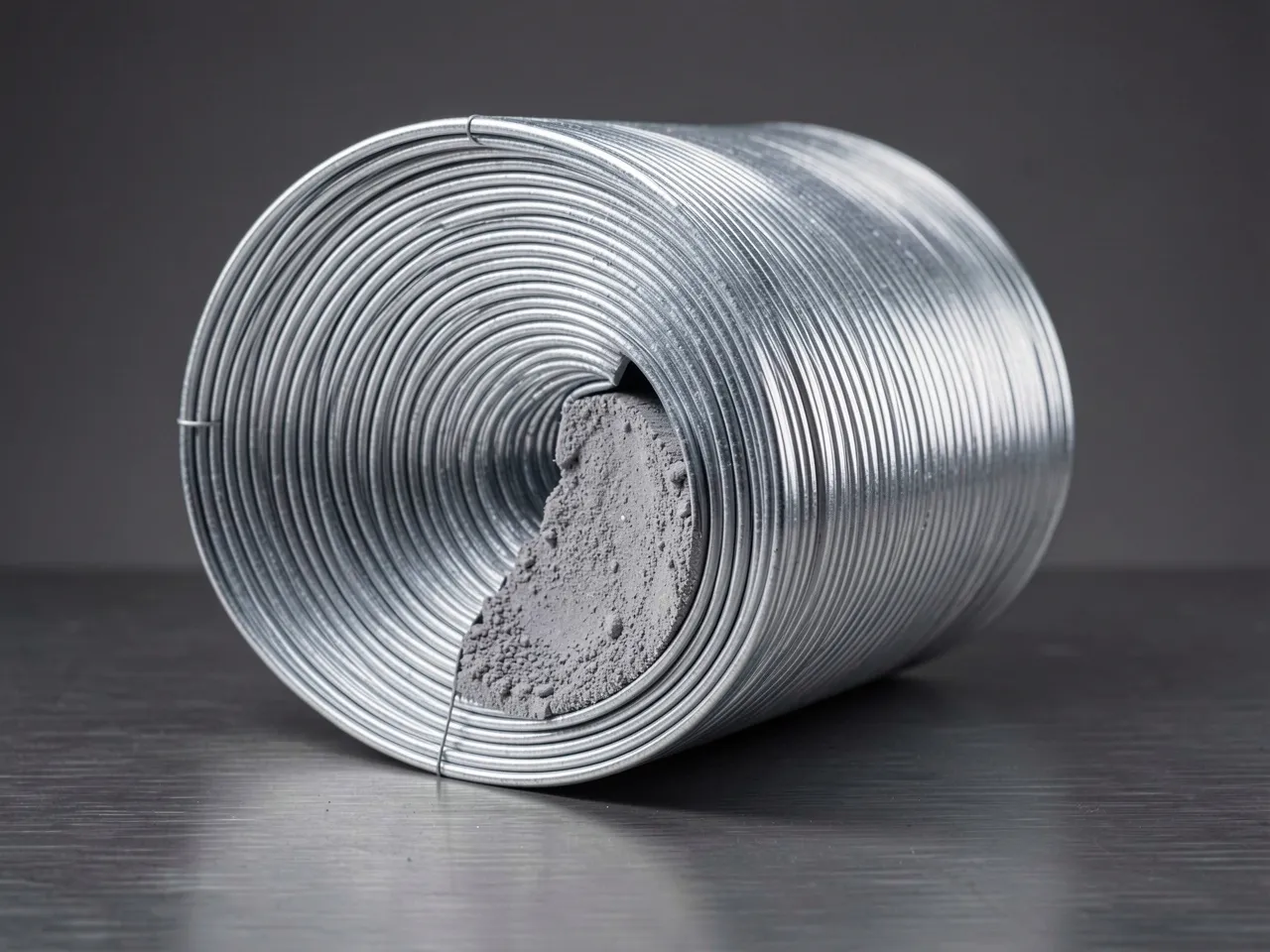
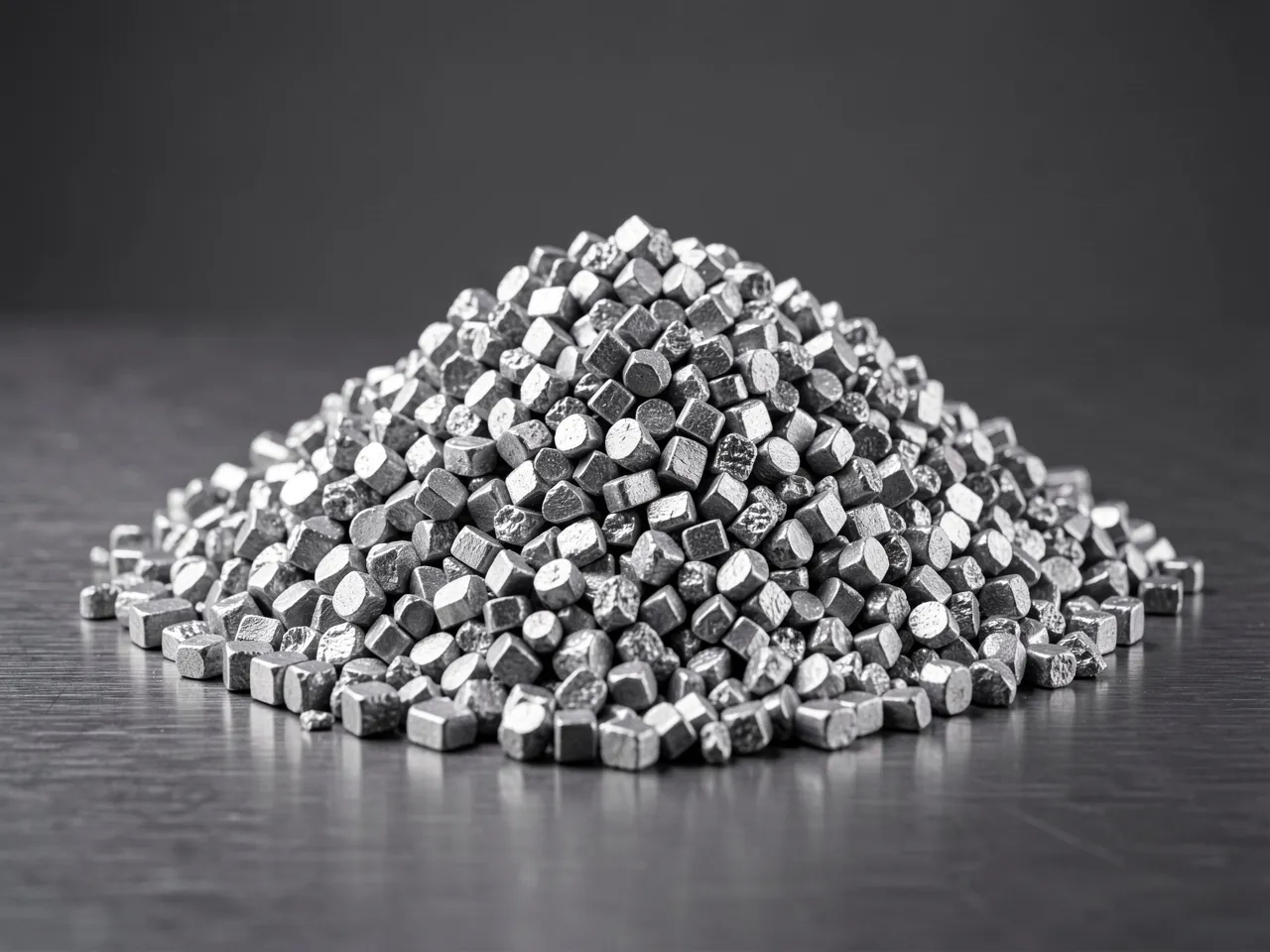
Calcium silicide cored wire is a steel-sheathed wire packed with CaSi powder (Ca 28-32%, Si 55-65%) fed into the ladle for secondary metallurgy. The steel sheath shields the reactive calcium until it reaches bath depth, where higher ferrostatic pressure and controlled feed rate raise calcium recovery well above lump or shot additions made at the surface. Dissolved Ca converts hard, angular alumina (Al2O3) and silica inclusions into low-melting, globular calcium aluminates, preventing nozzle clogging during continuous casting and improving transverse toughness and machinability. This makes it standard practice for Al-killed and Si-killed steels at EAF mills and steel foundries casting clean, calcium-treated grades. Typical addition runs roughly 0.5-2.0 kg Ca per tonne, tuned by feeder speed to the target Ca/S ratio and inclusion chemistry. The 13 mm wire (powder fill ≈ 230 g/m, C ≤ 1.0%, Al ≤ 2.0%) gives consistent fill for repeatable deep-bath release. Each lot ships with COA and MTC under multi-regional sourcing, CIF Marmara, 20 MT FCL. Send your grade and Ca/S target for an RFQ.

Technical Specifications

Ca28-32%Si55-65%C≤ 1.0%Al≤ 2.0%

Applications

Ladle calcium treatmentInclusion modificationSecondary steelmaking
DetailsAvailable on Request
Ferro VanadiumOut of StockNEW

Ferro Vanadium

FeVFerro Alloys

Ferro Vanadium (FeV) is a master alloy that delivers vanadium to liquid steel for micro-alloying. Even at low addition, vanadium forms fine V(C,N) carbonitrides that precipitate during cooling and pin austenite grain boundaries, refining grain size while raising yield strength, toughness and wear resistance without a separate heat treatment. This grade carries V at 78-82% with C held to 0.30% max, P 0.06% max and S 0.05% max, suiting clean-steel chemistries where residuals must stay tight. Si is capped at 2.0% and Al at 1.5%, with 10-50mm sizing for controlled dissolution and stable recovery in ladle or EAF practice. Typical additions run 0.05-0.20 wt% V depending on target strength, common across HSLA structural plate, micro-alloyed rebar, spring steels and tool steels; FeV is also a feedstock for long-duration vanadium-flow energy storage. Every lot ships with COA and MTC. Multi-regional sourcing covers CIF Marmara delivery in 20 MT FCL or 5 MT LCL lots. Send your grade, tonnage and delivery terms for a current RFQ.

Technical Specifications

V78-82%Si≤ 2.0%Al≤ 1.5%C≤ 0.30%

Applications

HSLA steelRebar micro-alloyingSpring steel
DetailsAvailable on Request
Ferro TitaniumOut of StockNEW

Ferro Titanium

FeTiFerro Alloys

Ferro Titanium (FeTi70, DIN 17566 reference) is a master alloy carrying 65-70% Ti into liquid steel, where titanium's strong affinity for carbon, nitrogen and oxygen drives stabilization, deoxidation and grain refinement. In austenitic stainless grades it ties up free carbon as TiC, suppressing chromium-carbide precipitation at grain boundaries and the intergranular corrosion (sensitization) that follows welding. In interstitial-free (IF) and structural steels, TiN and TiC scavenge N and C from solid solution, sharpening deep-drawability and yield control; the fine nitrides also pin austenite grains for refinement. Typical additions run roughly 0.1-0.5 wt% depending on C+N to stabilize and the target Ti residual, with recovery sensitive to deoxidation practice and addition timing. Low Al (≤2.0%), Si (≤0.20%) and C (≤0.20%), with P ≤0.04% and S ≤0.03%, keep residuals predictable; 10-50mm lump suits ladle and EAF feeding. Each lot ships with COA and MTC. Multi-regional sourcing supports CIF Marmara delivery in FCL or LCL lots. Send your grade and tonnage for an RFQ.

Technical Specifications

Ti65-70%Al≤ 2.0%Si≤ 0.20%Mn≤ 1.0%

Applications

Stainless steel stabilizationIF / structural steelGrain refinement
DetailsAvailable on Request
Ferro BoronOut of StockNEW

Ferro Boron

FeBFerro Alloys

Ferro Boron (FeB18) is a lump ferroalloy carrying B 17-20% for boron-treated steels and special alloys. In hardenability practice, a very small addition, typically 0.0008-0.0035 wt% soluble boron in the finished steel, sharply raises the hardenability of low-carbon steel and replaces much larger amounts of Mn, Cr or Mo. Boron only works in solution, so the steel must be killed with Ti/Al and nitrogen kept under control: free N ties boron up as BN, while Ti and Al act as nitride formers that scavenge N and keep the boron effective. Add late, after full deoxidation and Ti treatment, and back-calculate the charge from the B 17-20% assay, ladle weight and an assumed 50-70% recovery. The grade also serves as a boron carrier for amorphous / soft-magnetic alloys and NdFeB permanent-magnet feedstock. Supplied as 10-50mm lump with C ≤0.5%, Si ≤2.0%, Al ≤0.5%, S ≤0.01%, P ≤0.10%; every lot ships with COA / MTC. Send grade, addition rate and required quantity for an RFQ.

Technical Specifications

B17-20%C≤ 0.5%Si≤ 2.0%Al≤ 0.5%

Applications

Boron steel (hardenability)Amorphous / soft-magnetic alloysNdFeB magnet production
DetailsAvailable on Request
Ferro NiobiumOut of StockNEW

Ferro Niobium

FeNbFerro Alloys

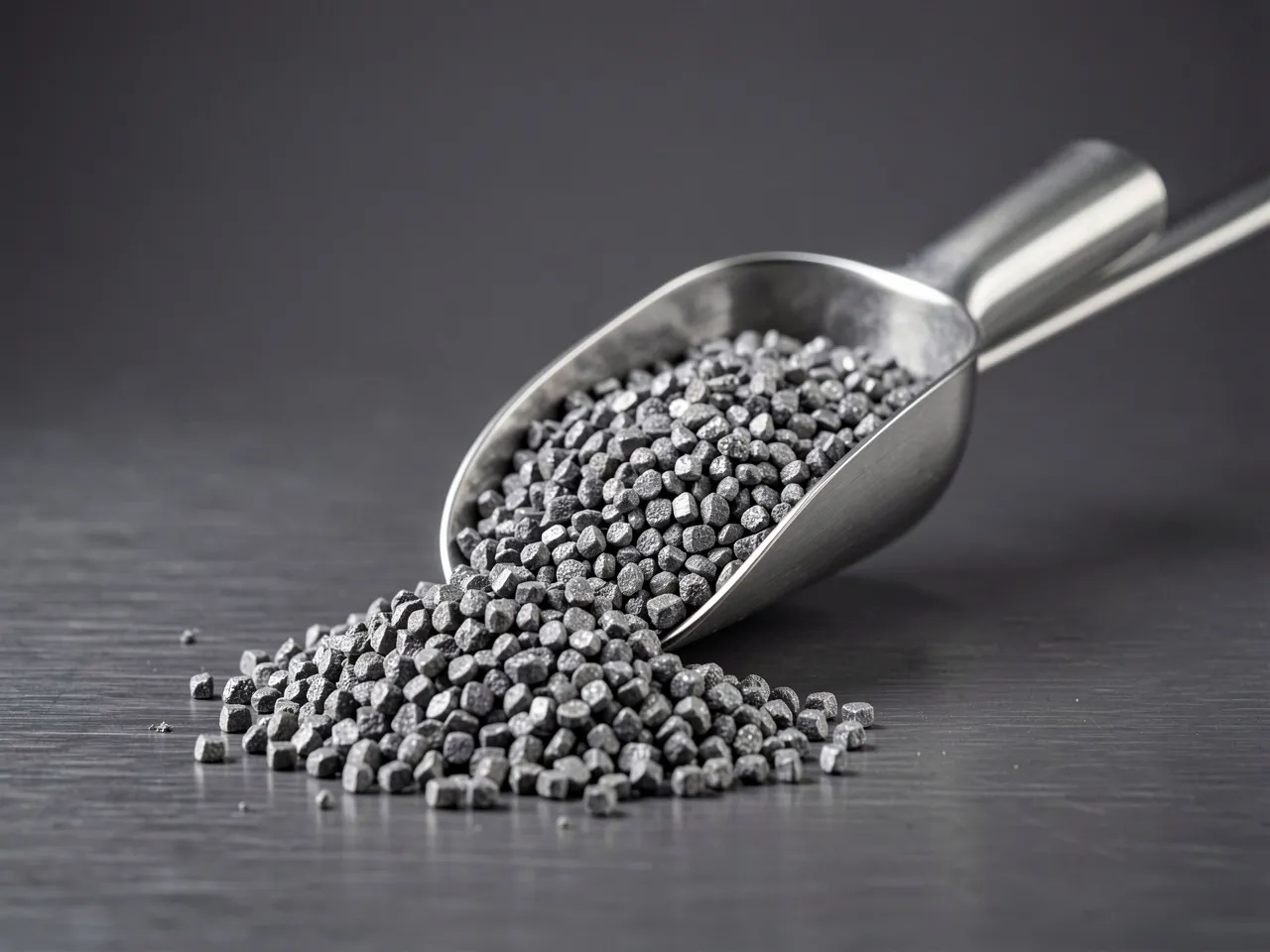
Ferro niobium (FeNb65, ASTM A550 reference) is the standard carrier alloy for introducing niobium into liquid steel. Once dissolved, Nb forms fine niobium carbonitrides (Nb(C,N)) that pin austenite grain boundaries during hot rolling, restricting recrystallization and delivering grain refinement plus precipitation strengthening. The result is a measurable rise in yield strength, toughness and weldability at additions an order of magnitude lower than conventional alloying. This makes FeNb a primary micro-alloying addition for HSLA structural grades, API line-pipe steels (X60-X80) and lightweight automotive sheet, and for stabilizing stainless grades against intergranular corrosion. Typical additions fall in the 0.01-0.10 wt% Nb range, so a single charge treats large heats economically. Specification: Nb 63-68%, with C ≤0.15%, P ≤0.15%, S ≤0.05%, Si and Al ≤2.0% each, Ta ≤0.50%, sized 10-50 mm for controlled dissolution and minimal fade. Every lot ships with COA and MTC. Multi-regional sourcing supports CIF Marmara delivery, 20 MT FCL or smaller LCL lots. Send your grade and tonnage for a FeNb RFQ.

Technical Specifications

Nb63-68%Al≤ 2.0%Si≤ 2.0%C≤ 0.15%

Applications

HSLA steelPipeline (API) steelAutomotive steel
DetailsAvailable on Request
Pure Calcium Cored WireOut of StockNEW

Pure Calcium Cored Wire

Ca WireFerro Alloys

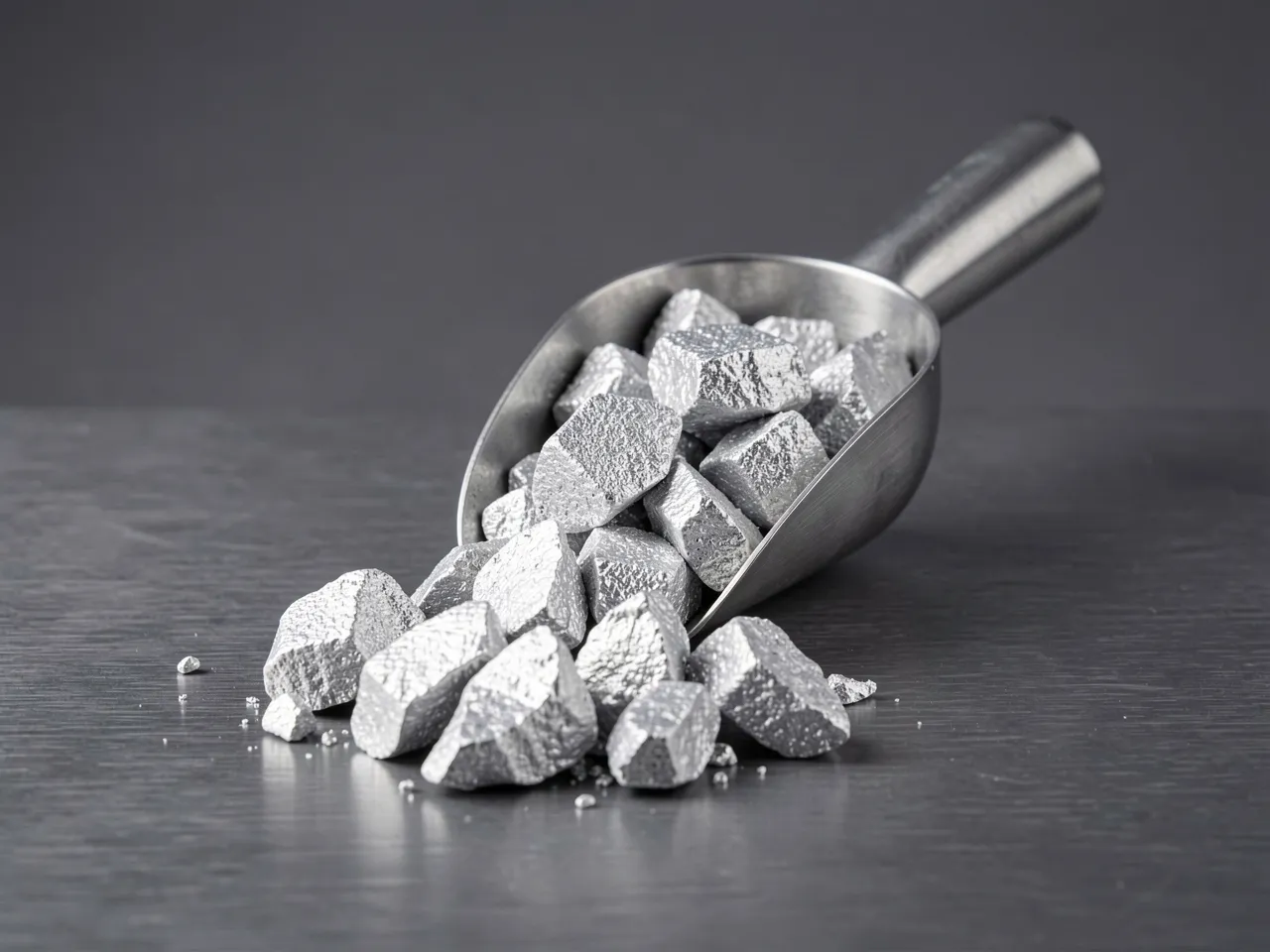
Pure Calcium Cored Wire is solid calcium metal compacted inside a low-carbon steel sheath, fed into the ladle during secondary metallurgy. Calcium boils near 1484 C (below steel-ladle temperature), so direct addition flashes off and oxidizes before it can work; the steel jacket carries the Ca below the slag line, where it releases at depth for controlled recovery. Dissolved calcium reduces alumina and modifies hard, angular Al2O3 inclusions into rounded, low-melting calcium aluminates. This curbs nozzle clogging during continuous casting and lifts transverse ductility and fatigue life. Typical uses cover EAF and BF-BOF clean-steel routes, line-pipe and forging grades, and engineering steels needing tight inclusion control. Injection speed and length are tuned to the target Ca/S and total oxygen, with addition rates commonly around 50-200 g Ca per tonne of steel. The 9 mm wire carries about 195 g/m of Ca at >= 98% purity, sheathed in low-carbon steel and wound on ~1.8-2.0 t coils for stable payout. Each lot ships with COA and MTC, multi-regional sourcing, CIF Marmara, 20 MT FCL. Send your grade, Ca/S target and coil spec for an RFQ.

Technical Specifications

Ca≥ 98%Wire Ø9mmPowder≈ 195 g/mSheathlow-carbon steel

Applications

Ladle calcium treatmentInclusion modificationClean-steel casting
DetailsAvailable on Request
Foundry Inoculant (FeSiZr)Out of StockNEW

Foundry Inoculant (FeSiZr)

FeSiZrFerro Alloys

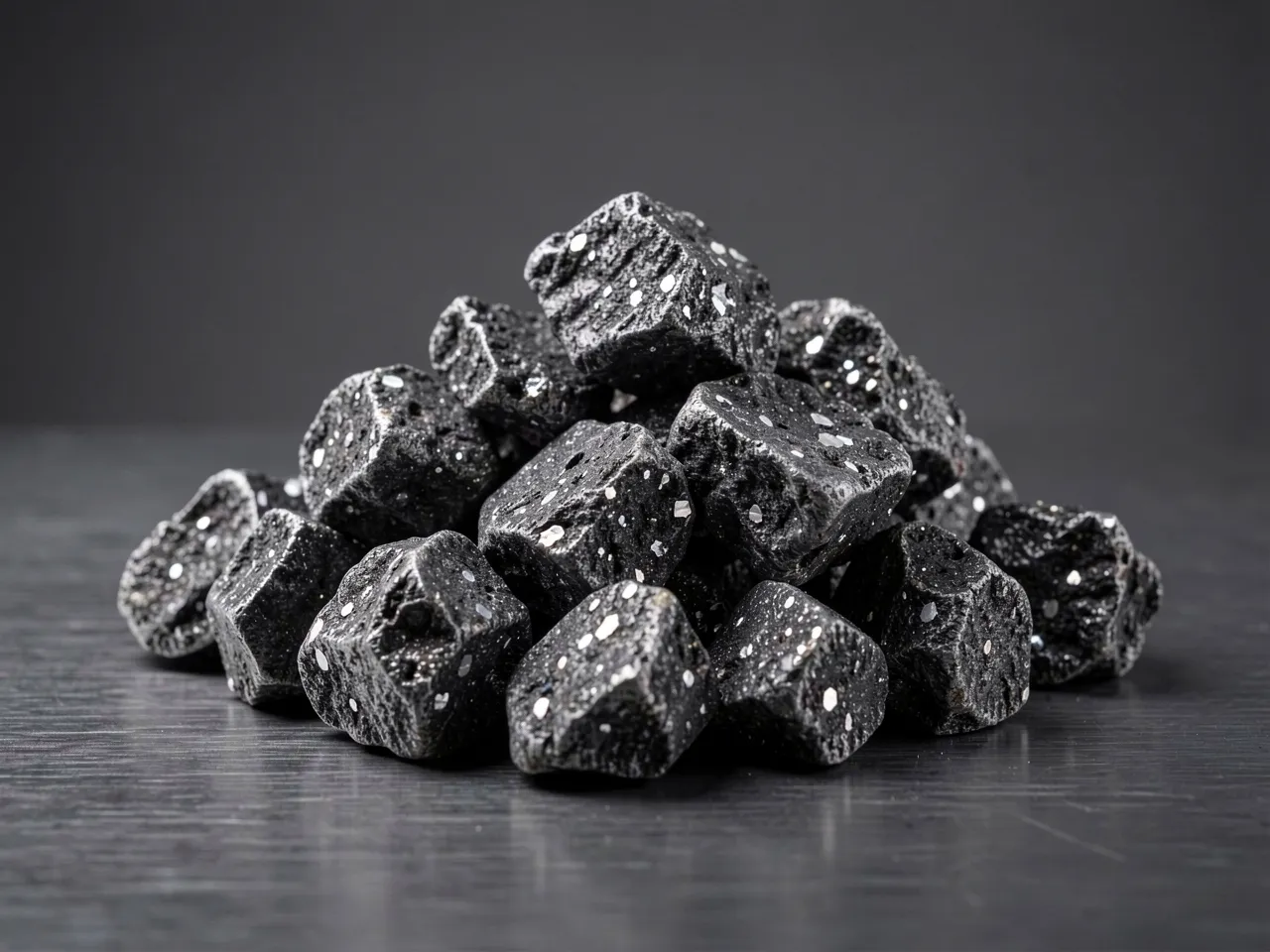
FeSiZr is a zirconium-bearing ferrosilicon inoculant for grey and ductile cast iron. Added to the molten metal just before or during pouring, its Si 73-78% matrix carries active elements (Zr 1-3%, Ca 0.8-1.5%, Al 0.8-1.5%, Mn 1-3%) that form oxide and oxysulfide micro-sites. These nuclei seed graphite precipitation during eutectic solidification, suppressing carbides and chill. In grey iron this favours fine, evenly distributed Type A flake; in ductile iron it raises nodule count and density and improves nodularity, rather than forming the nodular shape itself, which the Mg treatment governs. The Zr and Mn fractions also deoxidize and scavenge residual nitrogen, reducing pinhole and fissure defects in thicker sections. Foundries running grey iron, ductile iron, and section-sensitive castings use FeSiZr where late fade is a problem: the Zr-stabilized nuclei resist dissolution, holding nucleation potential well past the typical inoculation window. Standard ladle addition runs 0.1-0.4 wt% (1-4 kg/t); finer 0.2-0.7 mm grades suit in-stream and late inoculation, while 1-3 mm serves ladle dosing. Every lot ships with COA and MTC. Multi-regional sourcing supports CIF Marmara delivery, 20 MT FCL or 5 MT LCL. Send grade and quantity for an RFQ.

Technical Specifications

Si73-78%Zr1-3%Ca0.8-1.5%Al0.8-1.5%

Applications

Grey iron inoculationDuctile iron inoculationFade resistance
DetailsAvailable on Request
Foundry Inoculant (FeSiSr)Out of StockNEW

Foundry Inoculant (FeSiSr)

FeSiSrFerro Alloys

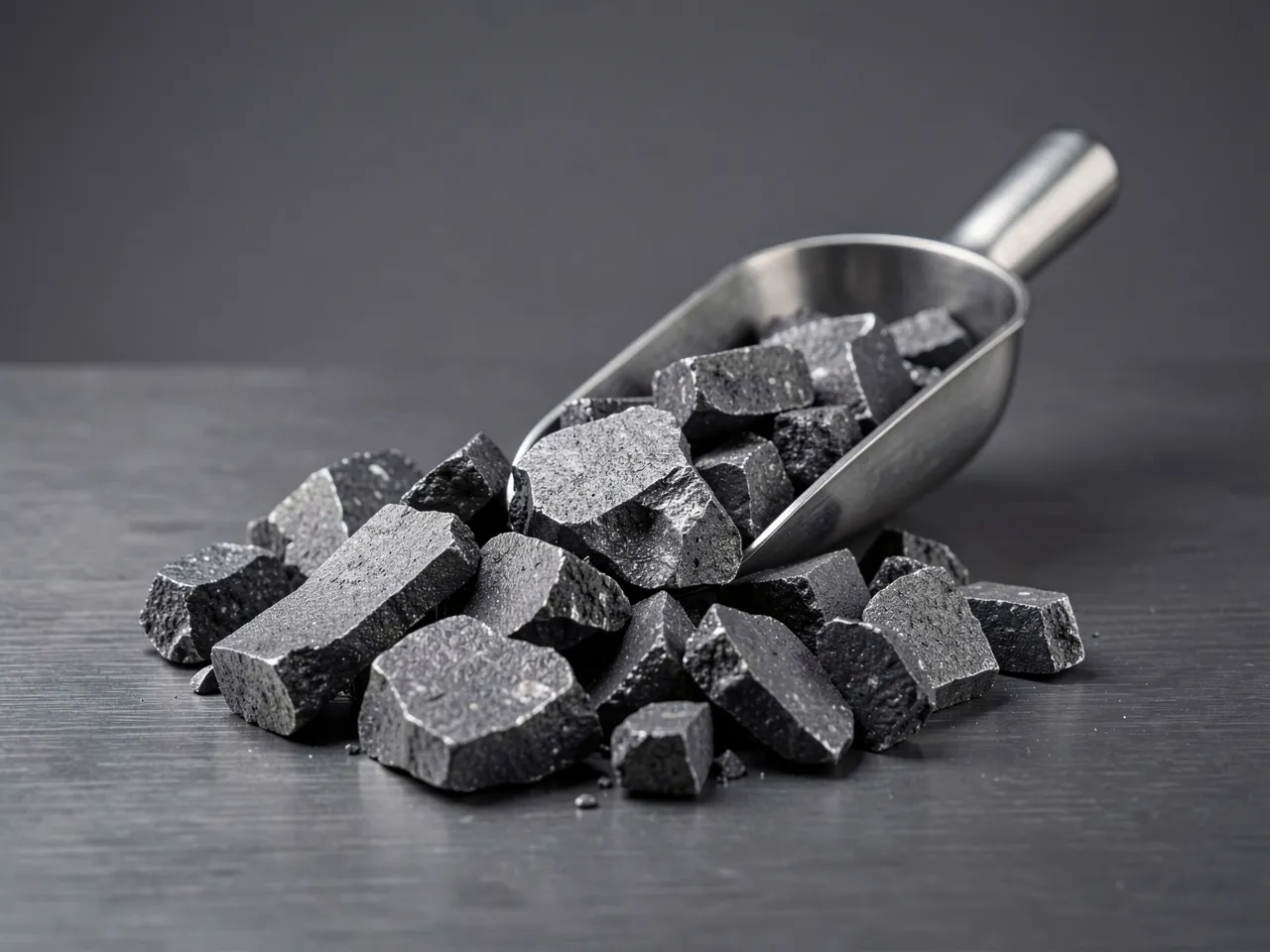
Strontium-bearing ferrosilicon inoculant (Si 73-78%, Sr 0.6-1.0%) for grey and ductile iron. Strontium delivers potent graphite nucleation at a low addition rate with minimal silicon pickup, so it controls chill in thin and section-sensitive castings without raising eutectic cell count the way barium grades can. The result is a clean, uniform graphite structure, fewer edge and core carbides, and steadier mechanical properties from shot to shot. Fade resistance is strong, which suits longer pour windows and stream or in-mould dosing. Supplied in 0.2-0.7mm and 1-3mm sizings with COA + MTC on every lot.

Technical Specifications

Si73-78%Sr0.6-1.0%Ca≤ 1.0%Al≤ 1.0%

Applications

Grey iron inoculationDuctile iron inoculationFade resistance
DetailsAvailable on Request
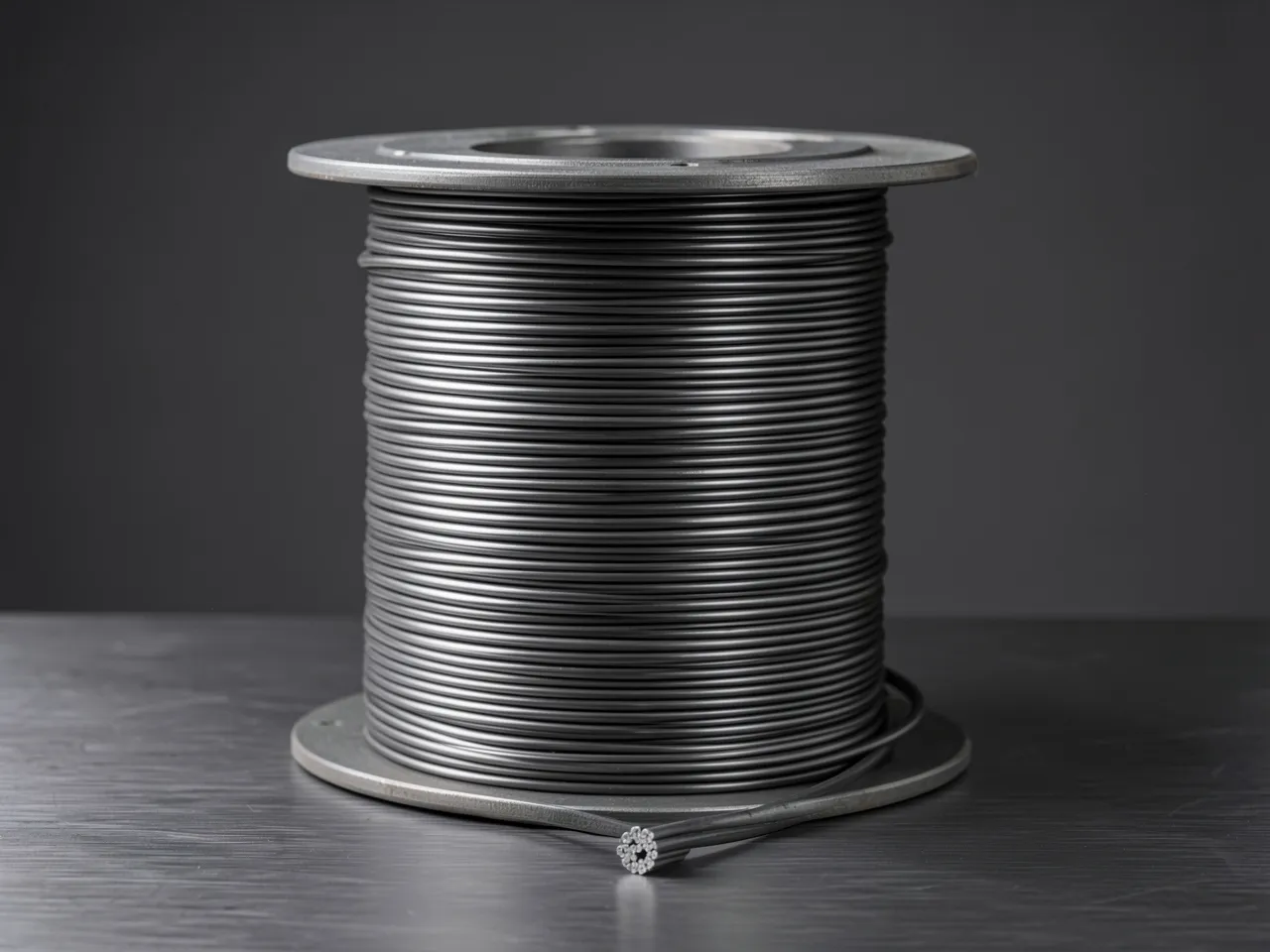
Nitrided Ferro ChromeOut of StockNEW

Nitrided Ferro Chrome

FeCrNFerro Alloys

Nitrided Ferro Chrome (FeCrN) is a solid-state nitrided alloy that delivers chromium and nitrogen to the melt in a single addition, dissolving without the recovery losses and porosity risk of gas-phase nitrogen injection. Nitrogen acts as a strong austenite stabilizer and interstitial strengthener: it raises yield strength, improves pitting and crevice corrosion resistance, and lets producers cut nickel without sacrificing the austenite/ferrite balance. This makes FeCrN the standard route to duplex and super-duplex stainless steels, nitrogen-alloyed and high-nitrogen steels (HNS), and certain tool steels. Typical addition is dosed to hit the target N specification, commonly 0.1-0.5 wt% nitrogen in the finished steel, adjusted for furnace nitrogen recovery. The grade carries Cr 60-65% and N 5-8%, with controlled C ≤0.06%, Si ≤1.5%, P ≤0.03% and S ≤0.04% to protect weldability and ductility; sized 10-50mm for predictable dissolution and clean charging. Supplied with COA and MTC against each lot, multi-regional sourcing, CIF Marmara, 20 MT FCL. Send your grade and N target for an RFQ.

Technical Specifications

Cr60-65%N5-8%C≤ 0.06%Si≤ 1.5%

Applications

Duplex stainless steelNitrogen-alloyed steelHigh-nitrogen steel (HNS)
DetailsAvailable on Request
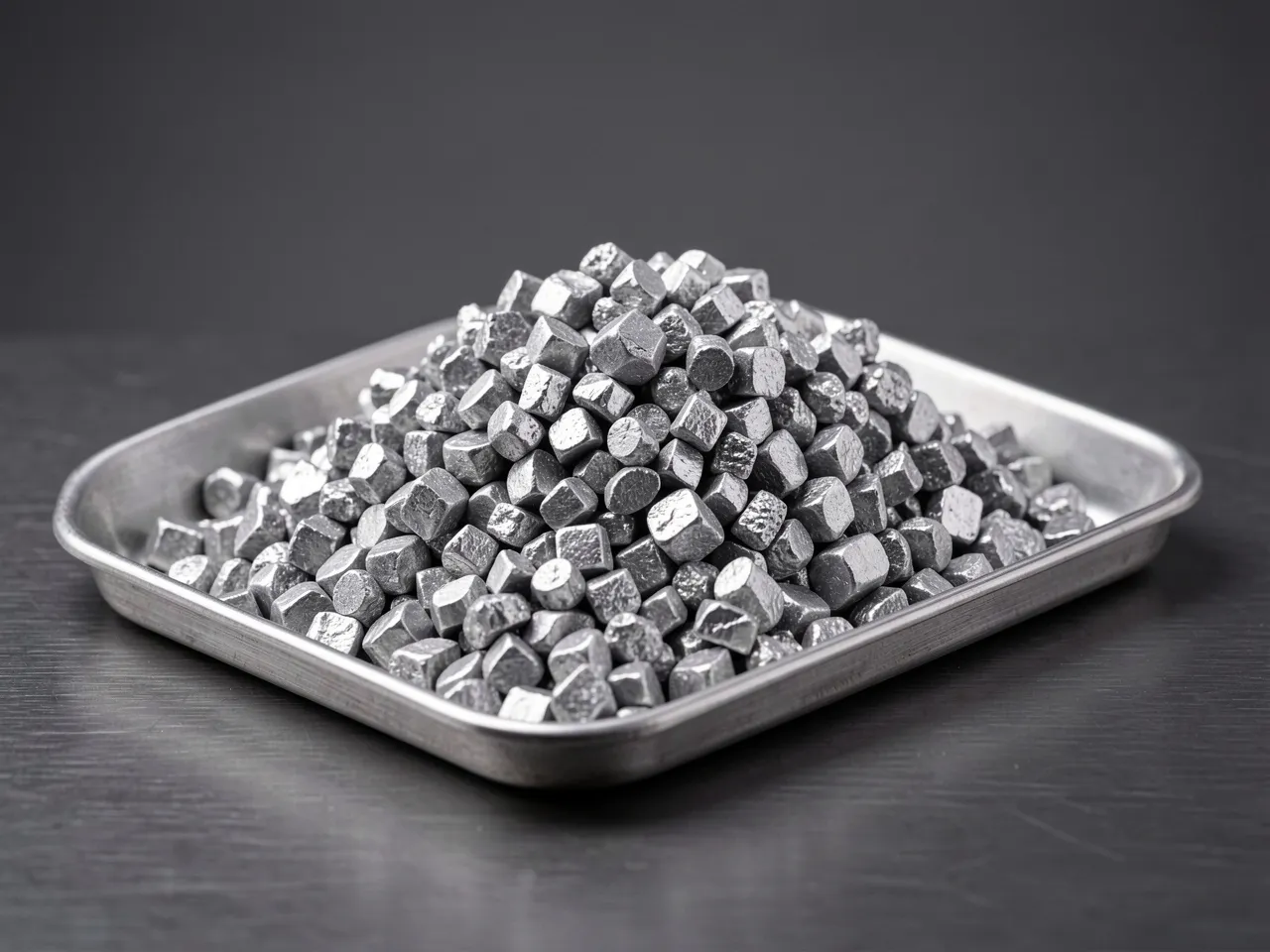
Ferro TungstenOut of StockNEW

Ferro Tungsten

FeWFerro Alloys

Ferro tungsten (FeW80) delivers a high tungsten unit into liquid steel without the melting losses of metallic W. Once dissolved, tungsten forms stable carbides (WC, W2C) and complex M6C phases that resist dissolution and coarsening at elevated temperature. This is the mechanism behind red-hardness: the tool keeps its cutting edge and hardness even when the tip glows during machining. Tungsten also raises hot strength and abrasion resistance, which is why it anchors high-speed steel (HSS), tool and die steels, hard-facing alloys, and heat-resistant grades. Additions are tuned to target W chemistry, commonly a few tenths up to several wt% depending on grade. The FeW80 cut carries W 75-82% with controlled C (≤0.5%), Si (≤0.7%), Mn (≤0.25%), and low P (≤0.04%) / S (≤0.08%), so the master alloy stays clean and adds minimal tramp residuals to the heat; 10-50mm lump suits clean charge handling and predictable recovery. Each lot ships with COA and MTC for full traceability. Multi-regional sourcing supports CIF Marmara delivery, FCL or LCL. Send your target grade for an RFQ.

Technical Specifications

W75-82%C≤ 0.5%Si≤ 0.7%Mn≤ 0.25%

Applications

High-speed steel (HSS)Tool & die steelHard-facing alloys
DetailsAvailable on Request
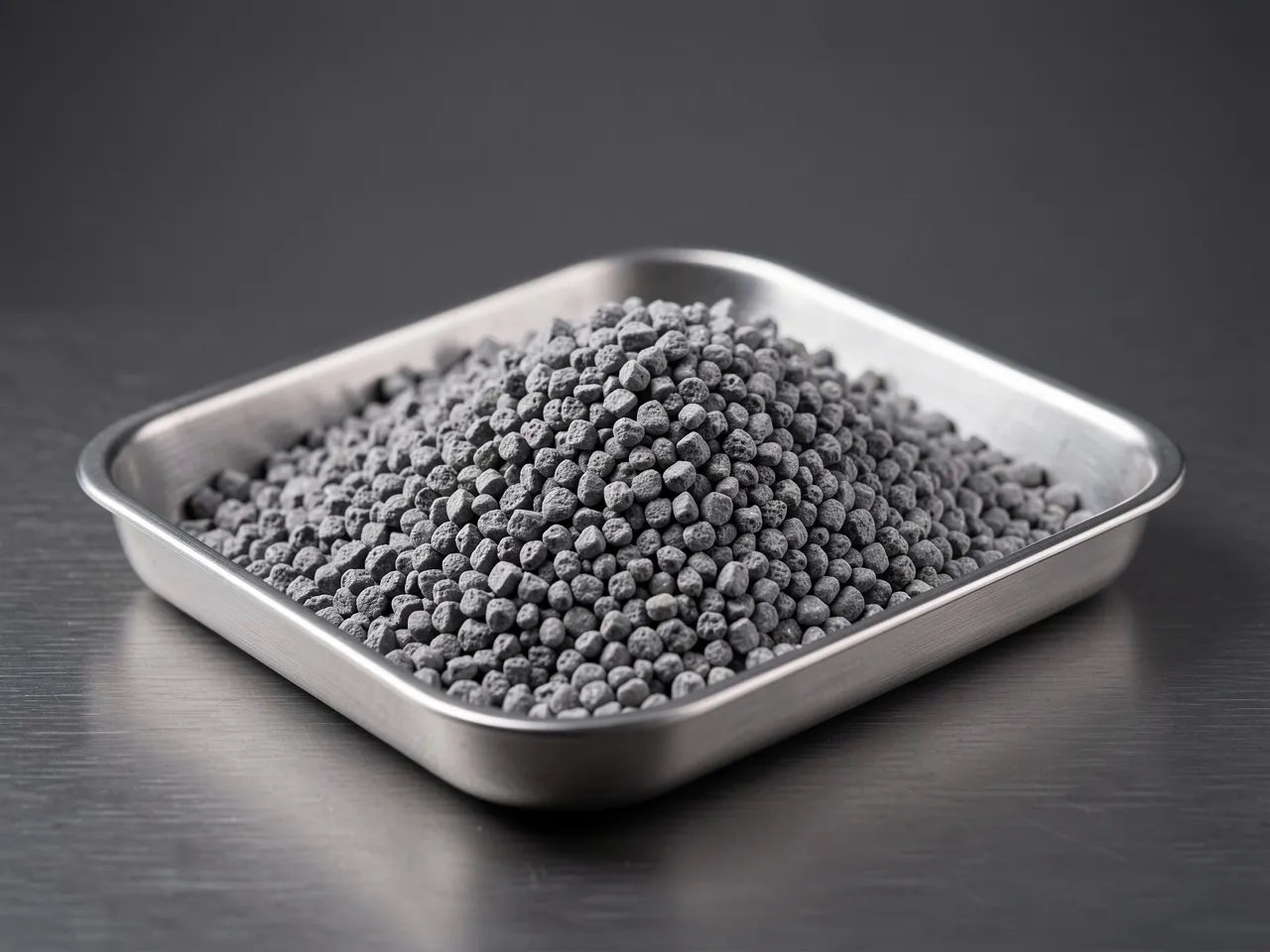
Ferro PhosphorusOut of StockNEW

Ferro Phosphorus

FePFerro Alloys

Ferro phosphorus (FeP) delivers phosphorus as a controlled, dissolvable unit into iron and steel melts, avoiding the violent reaction and fume losses of elemental phosphorus. In the bath, P partitions into the matrix to raise electrical resistivity and strengthen ferrite by solid solution, while lowering surface tension to improve melt fluidity and mold filling. P also promotes the dense, adherent oxide patina that gives weathering steel its atmospheric-corrosion resistance. Typical use spans weathering (COR-TEN) and free-machining steels, soft-magnetic alloys, and thin-section gray and ductile cast iron. Addition rates are modest, on the order of 0.1-1.0 wt% depending on the target P aim and recovery. This grade analyzes P 23-26%, with Si ≤ 4.0%, Mn ≤ 5.0%, C ≤ 1.0%, and Ti ≤ 1.0%, sized 10-100 mm for predictable dissolution and accurate ladle dosing in EAF and foundry practice. Each lot ships with COA and MTC, drawn from multi-regional sourcing, on CIF Marmara terms, in 20 MT FCL or 5 MT LCL lots. Send your target P range and tonnage for an RFQ.

Technical Specifications

P23-26%Si≤ 4.0%Mn≤ 5.0%C≤ 1.0%

Applications

Weathering (COR-TEN) steelFree-machining steelSoft-magnetic alloys
DetailsAvailable on Request